
 EN
EN
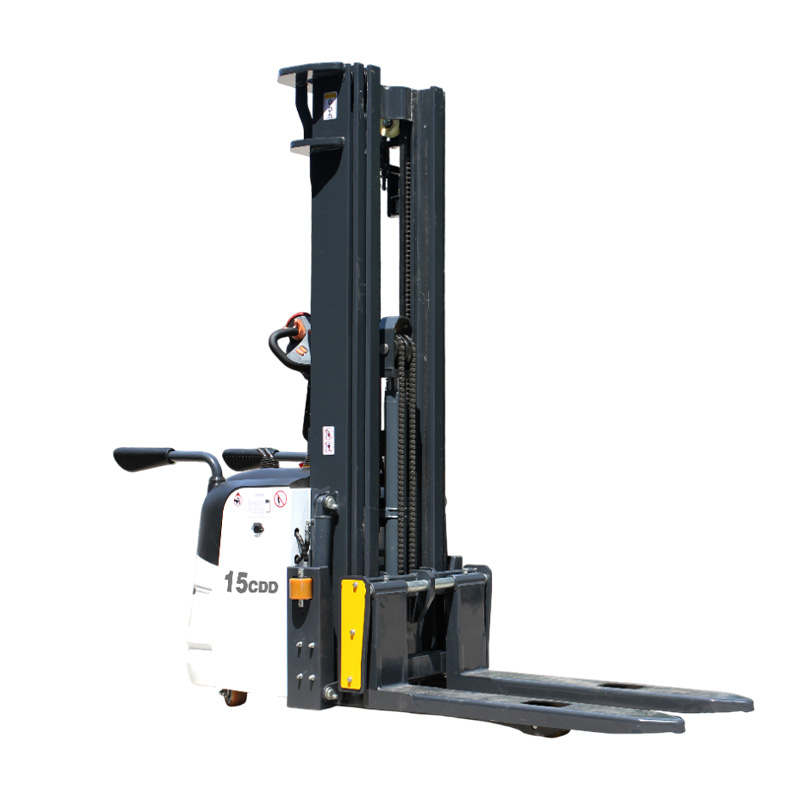
Understanding Hydraulic System Fundamentals and Common Failures
How Hydraulic Systems Work in Manual Stackers
Manual hydraulic stackers work by turning the physical effort of pumping into actual lifting power using pressurized fluid. The operator just pumps the handle back and forth, and inside the machine, a piston pushes oil through the cylinder which generates enough force to lift weights as heavy as 5,500 pounds. What makes these systems reliable is that everything needs to line up properly between the pump mechanism, the control valve, and the main cylinder component. If even one part isn't aligned correctly, the whole system loses its ability to hold pressure effectively, making it less useful for serious lifting tasks.
Common Signs of Hydraulic Malfunction: Slow Lifting, Drifting, or No Lift
Three key symptoms indicate hydraulic issues in manual stackers:
| Symptom | Likely Causes | Immediate Action Required |
|---|---|---|
| Slow lifting | Contaminated fluid, pump wear | Check fluid quality & viscosity |
| Load drifting | Seal failure, internal valve leakage | Inspect cylinder for oil residue |
| No lift response | Air entrapment, critical fluid loss | Bleed system & refill reservoir |
A 2023 Ponemon Institute study found hydraulic failures cause 47% of material handling downtime, costing operations $740 per hour in lost productivity.
Case Study: Diagnosing a Stacker That Won’t Lift
The warehouse crew noticed their stacker couldn't lift those heavy 3,000 pound pallets even though the pump seemed to be working fine otherwise. When techs checked things out, they found something wrong with the hydraulic fluid - there was way too much water mixed in (around 8% H2O when it should have been under half a percent). They flushed all that contaminated oil out of the system and replaced several seals that had gotten damaged from the milky looking fluid. Within just two days back at work, everything started lifting properly again. Looking through old maintenance records shows regular fluid checks actually stop about two thirds of these no-lift problems before they become major headaches for operations.
Hydraulic Fluid Problems: Low Levels, Contamination, and Aeration
Low Hydraulic Fluid and Its Impact on System Operation
Running a manual stacker with low hydraulic fluid really messes with its pressure generation capabilities. Once the fluid level gets too low in the reservoir, the pump starts pulling in air instead of just oil. This causes all sorts of problems including cavitation and unpredictable movements when lifting loads. The mix of air and oil doesn't dissipate heat properly either, which means parts inside the system start wearing out faster than normal. Take a look at what happens in practice: if a stacker operates with only 85% of the required fluid, lifting speeds can plummet by around 40%. That kind of performance hit puts extra stress on critical components like seals and valves throughout the machine.
Air and Water Contamination: Causes and Effects of Foaming
When temperatures swing around or there are suction leaks, moisture and air tend to get into hydraulic systems. Water getting in leads to corrosion problems in the cylinders, and when air gets mixed in with the fluid, it creates foam. This foam makes controls feel soft and unresponsive, and lifting operations become inconsistent. According to some research, about eight out of ten hydraulic failures actually come down to contaminated fluid. Aerated oil can cut pump efficiency anywhere between 25-30%, according to Neilson Hydraulics findings from last year. If someone notices foaming happening regularly, they should check for things like worn out shaft seals or maybe just forgot to tighten those reservoir caps properly after doing maintenance work on the system.
Best Practices for Maintaining Fluid Quality and Purity
Adopt a three-step contamination control protocol:
- Use breather filters on reservoirs to block airborne particles
- Test fluid viscosity and acidity quarterly
- Replace filters at 85% capacity, not full clogging
Scheduled oil analysis extends fluid lifespan by 2–3 years compared to reactive replacements. Facilities implementing ISO cleanliness codes report 60% fewer seal failures (Berendsen Fluid Analysis Report 2023).
Why Fluid Checks Are Often Overlooked in Routine Inspections
Many operators prioritize visible mechanical components over fluid testing, mistakenly viewing oil as a “lifetime” component. In reality, 40% of hydraulic fluids degrade within 12 months under typical warehouse conditions. Automated monitoring systems now enable real-time moisture and particle alerts, bridging the gap between manual inspection intervals.
Air Entrapment and Bleeding Procedures for Optimal Performance
Why Air Reduces Lifting Efficiency and Causes Spongy Controls
The effectiveness of hydraulic systems depends heavily on the fact that fluids cannot be compressed easily. When air gets mixed in, those tiny bubbles act like sponges, soaking up energy instead of passing it along through the system. According to recent studies from the Fluid Power Efficiency Report released in 2023, this problem can cut down the lifting power of manual stackers by nearly half sometimes reaching around 40%. Operators often describe the experience as feeling 'spongy' when they push or pull levers because what they're actually sensing is the compression of air rather than solid fluid pressure. And let's not forget about maintenance issues either. Fluid contaminated with just 3% air content tends to wear out pumps at an alarming rate about seven times faster than normal which means components break down much quicker than expected in industrial settings.
Common Causes of Air in the System After Oil Refills
Air intrusion typically occurs during:
- Reservoir refills with rushing fluid that creates bubbles
- Loose pump shaft seals or cracked suction lines
- Improper filter replacement allowing air ingress
- Temperature swings causing contraction-induced vacuum leaks
A survey of maintenance technicians shows 68% of air-related failures stem from post-service contamination rather than operational wear.
Step-by-Step Guide to Bleeding Air from Hydraulic Manual Stackers
- Depressurize – Lower the stacker fully and engage safety locks
- Circulate – Pump the handle 10–15 times to warm fluid to 100–120°F (38–49°C)
- Bleed – Open bleed valves incrementally while maintaining reservoir levels
- Test – Verify leak-free operation through three full lift/lower cycles
Industry research confirms systematic bleeding restores 92% of lost lifting capacity in manually operated systems when performed correctly.
Case Study: Fixing Slow Lifting Due to Improper Bleeding
Warehouse staff noticed something was off when their material handling equipment started taking around 25 seconds to lift loads, way beyond the usual 8 to 12 second range. When they checked out what happened after changing the hydraulic oil, technicians found several issues causing problems. There was air trapped inside the main cylinder, probably because the fluid lines weren't properly purged during maintenance. They also missed running the warm-up cycle before doing the bleed procedure, and some valves hadn't closed all the way either. Once everyone followed the correct bleeding procedures again, things got back on track pretty quickly. Lift times dropped down to just 9.3 seconds and the pump wasn't working as hard anymore, showing about 18% less strain overall. Fixing these issues saved the company roughly $2,100 that would have gone toward replacing parts much sooner than expected.
Identifying and Preventing Leaks, Seal Damage, and Internal Losses
Recognizing Hydraulic Leaks and Seal Wear Indicators
Manual hydraulic stackers need sealed systems to keep pressure stable, though leaks tend to show themselves in several ways. Fluid pooling on the floor is obvious, but there are other signs too like slower lifting speeds or when loads start moving unevenly. Some early warning signs worth watching for? Look out for dried-up fluid around the seals, listen for strange hissing sounds while operating, or notice if cylinders slowly sink down even when holding weight. According to research published last year in fluid dynamics journals, almost two thirds of all hydraulic problems in material handling gear actually begin with small seal issues that nobody catches at first. For anyone running these machines day to day, regular checks on parts that take the most stress makes sense. Pay special attention to piston rods and those hose connections because tiny cracks there can turn into major headaches later on.
Worn O-Rings and Seals as a Cause of Load Drifting
When seals start to fail, pressurized fluid can escape through important pathways which causes instability while lifting operations take place. Brittle O rings or flat gaskets let fluid leak internally rather than properly moving through the cylinder as intended. What happens next is a slow drifting motion at about half an inch per minute or so, even if all controls are set to neutral positions. Sure, cheap replacement kits fix problems temporarily, but investing in better sealing options such as fluorocarbon elastomers makes sense for long term performance. These advanced materials last anywhere from three to five times longer under frequent cycling conditions compared to standard alternatives.
The Trade-Off Between Cheap Replacements and Long-Term Reliability
Most cheap seal kits come with generic nitrile materials that just don't hold up well against changing temperatures or gritty stuff getting into them. The better quality options will set someone back around 40 to 60 percent extra at first glance. But looking at the bigger picture, these premium seals seem worth it since they stop about 80 percent of those unexpected breakdowns. Warehouse maintenance records from fourteen different facilities back this up. When we start counting all those hours spent fixing problems again and again, the investment usually pays for itself somewhere around eighteen months down the road, give or take depending on usage conditions.
Routine Inspection Protocol for Leak Detection and Seal Integrity
Implement biweekly checks using this 4-step process:
- Wipe all seals clean and examine for extrusion (material bulging past grooves)
- Measure cylinder drift rates with calibrated test weights
- Conduct a 10-minute pressure hold test
- Inspect hydraulic fluid for metal particulates indicating seal abrasion
Facilities adopting sensor-based monitoring systems report 73% fewer seal-related failures by detecting pressure anomalies before visible symptoms emerge.
Component Diagnostics: Pump, Valve, Cylinder, and Filter Maintenance
Cylinder Issues: Knocking, Drifting, and Internal Leakage
When something goes wrong with hydraulic cylinders on manual stackers, they usually give away hints either through noise or how they operate. The classic knocking sound when lifting stuff generally points to alignment issues or rod bearings that are starting to wear out. And if the load keeps drifting down without being lowered manually, that's probably because of internal leaks from damaged piston seals somewhere inside. Maintenance manuals for hydraulic systems (like Cntopa 2023) all stress fixing these kinds of problems early before they turn into major disasters. Take a leaking cylinder seal as an example. Fluid starts bypassing where it shouldn't, which can cut lifting power by almost half in really bad situations. That kind of drop makes a huge difference in performance over time.
Pump and Valve Function: Ensuring Proper Pressure Control
Hydraulic systems rely on pumps and control valves working together to maintain proper pressure levels. When pump vanes start wearing down or valves get stuck, operators usually notice problems like uneven lifting speed or equipment that just won't reach its maximum height. To find out what's wrong, technicians perform pressure tests with accurate gauges. Most systems running at around 15 to 20 percent below their rated PSI need some kind of repair work done on components. For maintenance crews, regular checks matter a lot. Looking at valve springs every year and checking how the pump housing is wearing down can catch issues before they become major headaches during operation.
Filter Clogging and System Blockages Leading to Slow Operation
Clogged filters rank among the top three causes of sluggish hydraulic stacker performance. Contaminants as small as 10 microns can restrict flow, increasing pump strain and reducing efficiency by 25–35% (Harvard Filtration 2023). Key indicators include extended lift cycle times, overheating fluid (above 160°F/71°C), and frequent relief valve activation.
Diagnostic Flowchart for Identifying Hydraulic Component Failures
A systematic approach simplifies troubleshooting:
- Measure system pressure at idle and under load
- Conduct visual inspections for leaks and component wear
- Perform fluid contamination analysis
- Test individual components using isolation valves
This methodology reduces diagnostic errors by 65% compared to random part replacement (Industrial Maintenance Journal 2022).
FAQ Section
What are the common symptoms of hydraulic issues in manual stackers?
Common symptoms include slow lifting, load drifting, and no lift response.
How can hydraulic fluid problems be addressed?
Maintaining fluid quality and purity through regular checks, using breather filters, testing fluid viscosity, and replacing filters before clogging can address fluid issues.
What causes air to enter hydraulic systems after refilling oil?
Air can enter through rushing fluid during reservoir refills, loose pump shaft seals, cracked suction lines, and improper filter replacements.
Why is bleeding air from hydraulic systems important?
Bleeding air is crucial because air reduces lifting efficiency and causes spongy controls, significantly affecting system performance.
What are the primary causes of hydraulic leaks?
Leaks often occur due to seal wear, fluid pooling, and slow lifting speeds that indicate pressure instability.
Table of Contents
- Understanding Hydraulic System Fundamentals and Common Failures
- Hydraulic Fluid Problems: Low Levels, Contamination, and Aeration
- Air Entrapment and Bleeding Procedures for Optimal Performance
- Identifying and Preventing Leaks, Seal Damage, and Internal Losses
- Component Diagnostics: Pump, Valve, Cylinder, and Filter Maintenance
- FAQ Section