
 EN
EN
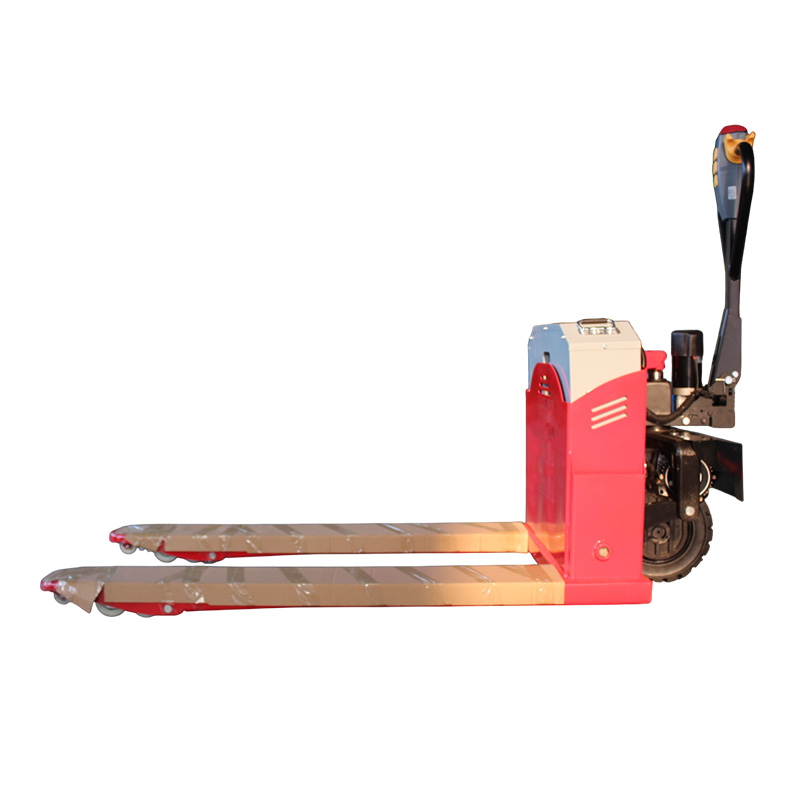
Understanding the Hand Pallet Hydraulic: Core Components and Operation
Key components of a hand pallet hydraulic: Forks, pump, handle, and steering nose
Hand pallet hydraulics come with four main parts built to last and work accurately. The forks are made from forged steel and can hold around 5,500 pounds without bending or breaking under pressure. When someone needs to lift heavy stuff, they use the manual hydraulic pump which works on something called Pascal's principle. This lets operators apply their own force and turn it into much higher pressure levels, going from about 150 to 200 psi up to over 3,000 psi for actual lifting power. The handle isn't just for pumping though - it also helps steer the whole thing, allowing workers to turn almost completely around even when space is tight between shelves or equipment. What really makes these different from regular carts is the front wheels setup. With two wheels at the front instead of one, operators get better control where they're going. This means warehouses can actually save space since aisles don't need to be as wide as before.
How the hydraulic system enables lift and movement in material handling
The system works using sealed fluid displacement basically. When someone pumps the handle, it pushes oil through what's called a 15 to 1 pressure multiplier right into the main cylinder. Each time they do this, the forks lift anywhere from 2 to 4 inches depending on conditions. The valves are arranged so the whole thing comes down smoothly without any sudden drops or free falls which could be dangerous. Industry studies back this up when looking at how hydraulics actually work in practice. What makes this setup special is that it only needs around 1.5 liters of ISO 32 grade hydraulic oil to create over 8 tons worth of lifting power. And here's something interesting for those concerned about efficiency: compared to electric models, this manual system actually saves about 70% more energy when moving things short distances across workshops or warehouses.
Role of hand pallet hydraulics in improving operational efficiency
These units blend human input with hydraulic assistance to cut down on physical stress while still giving operators full control over movements. Warehouse managers have seen their workers move pallets about 40 percent quicker and drop products roughly 92% less often than when doing everything manually, according to recent safety reports. The compact design features just a 6 inch turn radius at the front, which makes navigating tight spaces much easier and actually lets facilities pack in around 15% more inventory per square foot of floor space. They work pretty reliably even in tough conditions too, operating consistently whether it's freezing cold at minus 4 degrees Fahrenheit or sweltering hot up near 122 degrees, so they're good for both refrigerated warehouses and outside loading areas where temperatures fluctuate wildly throughout the day.
Essential Training and Safe Operating Practices for Hand Pallet Hydraulics
The Importance of Proper Training for Safe and Efficient Operation
Studies show certified training cuts down on workplace accidents by about 32%, while also making better use of equipment according to Five Star Equipment's 2023 findings. Good training needs to include how hydraulics work, figuring out what weight limits are safe, plus knowing what to do during emergencies. Looking at data from OSHA in 2022 reveals something pretty shocking too: around three quarters of all injuries related to hydraulics happen because workers weren't properly trained. That makes sense why most experts recommend getting those initial certifications which take between 8 to 12 hours, followed up with regular refreshers throughout the year.
Best Practices for Positioning, Maneuvering, and Controlling Loads
Always push rather than pull the unit, maintaining a secure grip on the handle and aligning the steering nose with the travel path. For optimal stability:
- Insert forks fully under the pallet (minimum 2/3 depth penetration)
- Keep loads below eye level during transit
- Use gradual braking on inclines to avoid sudden pressure drops
These practices enhance control and minimize stress on hydraulic components.
Engaging Hydraulic Controls to Safely Lift and Lower Loads
Apply smooth, full strokes when pumping the handle to build consistent pressure for lifting. Lower loads incrementally using the release valve—abrupt drops contribute to 41% of stability incidents (LinkedIn Safety Report 2024). Always confirm the control lever is in neutral before disengaging from a load to prevent unintended movement.
Maintaining Load Stability to Prevent Workplace Incidents
Putting too much weight on one side can make things tip over six times more often than they should. A good guideline is something like the 80/20 rule for stability - try to get around 80 percent of whatever needs lifting positioned right above where the forks are strongest. When bringing stuff down from higher up, keep about two inches between whatever's being moved and the floor until it actually lands in place. This gives workers time to tweak things if needed before settling everything down completely. Warehouse safety stats show that when people take these stabilization steps seriously, accident rates drop nearly 60 percent across busy facilities. That figure comes from research published by OSHA back in 2022.
Daily Inspections and Pre-Use Checks for Reliable Performance
Inspecting for Leaks, Damage, and Wear Before Each Use
According to the Material Handling Institute from 2023, regular pre use checks stop about 78 percent of problems with hydraulics in warehouses. When looking at equipment, don't forget to check those cylinders and hoses for any sign of leaking fluid. Believe it or not, even just a single drop escaping every minute adds up to around 400 gallons wasted each year. Take a good look at the fork arms too, watching out for any cracks or bends that might have formed over time. The load wheels deserve attention as well since they often show signs of uneven wear patterns. Most experienced operators know that following a standard inspection list makes all the difference when it comes to preventing breakdowns down the road.
| Inspection Area | Critical Checks |
|---|---|
| Hydraulic System | Fluid leaks, pump operation, valve integrity |
| Forks | Cracks, bends, tip alignment |
| Steering Mechanism | Wheel stability, joint lubrication |
Document all findings to ensure accountability and traceability.
Proper Fork Placement Under the Pallet for Secure Lifting
Misaligned forks cause 34% of load instability incidents. Position forks at 90% depth under standard pallets with equal spacing to prevent lateral shifting. For irregular loads, verify center-of-gravity alignment before activating lift controls—incorrect placement increases hydraulic strain by up to 27% (Logistics Safety Review 2024).
Importance of Routine Checks in Ensuring Hand Pallet Hydraulic Reliability
Daily inspections reduce unplanned downtime by 62% compared to weekly checks, according to a 12-month warehouse maintenance study. These routines detect seal degradation in 83% of cases and identify 91% of structural issues before failure. Facilities following ISO 12100-aligned protocols achieve 41% longer component lifespans while maintaining regulatory compliance.
Hydraulic System Maintenance and Long-Term Equipment Care
Monitoring Hydraulic Fluid Levels and Seal Integrity
Checking fluid levels through the sight gauge is essential to keep oil amounts within what the manufacturer recommends. When there's not enough fluid, pumps work harder than they should. On the flip side, putting too much in can lead to dangerous pressure surges. Take a good look at cylinder and valve seals for any signs of damage or leakage. Believe it or not, small leaks alone can cut down system efficiency by about 15%, according to Industrial Fluid Dynamics research from last year. Don't wait when seals show wear and tear. Getting them replaced quickly stops contaminants from getting into the system, something that actually accounts for roughly 80% of all problems with hydraulic equipment.
Recommended Hydraulic Oil Types and Change Intervals
For most hydraulic systems, go with ISO certified anti wear oil that has a viscosity grade somewhere between 32 and 68. The exact choice depends on what temperatures the equipment typically runs in. When working in regular warehouse environments where temperatures stay around 10 to 30 degrees Celsius, ISO 46 synthetic tends to perform best because it handles heat changes pretty well without breaking down. Most mechanics recommend changing the oil after about 500 hours of operation, but at least once every two years regardless of usage. Don't wait too long though when the oil starts turning dark or looks cloudy with particles floating around. Getting rid of contaminated oil right away saves money in the long run since dirty oil can really mess up expensive components like pumps and valves over time.
Lubricating Moving Parts and Maintaining Chain and Lever Mechanisms
Lubricate load wheels, pivot joints, and lift chains every 80–100 operating hours. Apply lithium-based grease to lever linkages to reduce friction and prevent seizing. Conduct monthly chain inspections for elongation or corrosion, adjusting tension to maintain 3–5 mm deflection under load. Stretched chains accelerate sprocket wear and compromise load stability.
Preventive Maintenance Routines to Extend the Lifespan of Hand Pallet Hydraulics
Adopt a tiered maintenance schedule:
- Daily: Clean forks, check tire pressure, test brakes
- Monthly: Verify hydraulic pressure (1,500–2,500 PSI), torque frame bolts
- Annually: Replace filters, recalibrate relief valve
This structured approach cuts unplanned downtime by 40% and extends equipment life beyond the typical 7–10 year benchmark.
Safety Compliance and Risk Mitigation in High-Demand Environments
Critical Safety Protocols: PPE, Hazard Awareness, and Defect Reporting
Operators must adhere to three core safety measures:
- PPE compliance: Steel-toe boots and high-visibility vests reduce injury risks by 62% in material handling accidents (Occupational Safety Journal 2023).
- Hazard mapping: Perform pre-shift scans for floor obstructions, overhead hazards, and electrical risks.
- Defect reporting: Immediately document issues like hydraulic drift or sluggish controls—unaddressed defects account for 34% of warehouse incidents.
Facilities that combine these protocols with daily safety briefings see a 41% reduction in incident rates, according to a 2024 Warehouse Safety Study.
Adhering to Weight Limits to Prevent Overloading and Equipment Failure
Exceeding 125% of rated capacity can lead to catastrophic failure, especially with asymmetrical loads. Key precautions include:
- Confirming load weight against the equipment plate
- Centering pallets between forks to minimize cylinder strain
- Rejecting damaged or structurally unsound pallets
| Load Position | Hydraulic Pressure Increase |
|---|---|
| Centered | Baseline (0%) |
| 6" Forward Shift | 18% |
| 12" Forward Shift | 47% |
Even moderate load shifts significantly increase mechanical stress.
Balancing Efficiency Demands with Safety Compliance in Modern Warehouses
In high-volume settings, time pressures may tempt workers to skip inspections—but data shows that scheduled 5-minute checks reduce monthly downtime by 23%. Modern hand pallet hydraulics increasingly feature overload sensors and automatic shutdown systems, allowing facilities to maintain throughput while enhancing safety.
FAQ Section
What are the main components of a hand pallet hydraulic?
The main components are the forks, pump, handle, and steering nose.
How does the hydraulic system in a hand pallet hydraulic work?
The system operates using sealed fluid displacement, with the handle pump pushing oil through a pressure multiplier into the main cylinder.
Why is proper training essential for operating hand pallet hydraulics?
Proper training reduces workplace accidents and improves equipment usage efficiency.
How should loads be positioned to ensure stability with hand pallet hydraulics?
Loads should be positioned with forks fully inserted and centered to minimize instability.
What type of hydraulic oil is recommended and how often should it be changed?
ISO certified anti-wear oils with a viscosity grade of 32 to 68 are recommended, with changes advised after about 500 hours of operation or at least every two years.
Table of Contents
- Understanding the Hand Pallet Hydraulic: Core Components and Operation
- Essential Training and Safe Operating Practices for Hand Pallet Hydraulics
- Daily Inspections and Pre-Use Checks for Reliable Performance
- Hydraulic System Maintenance and Long-Term Equipment Care
- Safety Compliance and Risk Mitigation in High-Demand Environments
-
FAQ Section
- What are the main components of a hand pallet hydraulic?
- How does the hydraulic system in a hand pallet hydraulic work?
- Why is proper training essential for operating hand pallet hydraulics?
- How should loads be positioned to ensure stability with hand pallet hydraulics?
- What type of hydraulic oil is recommended and how often should it be changed?