
 EN
EN
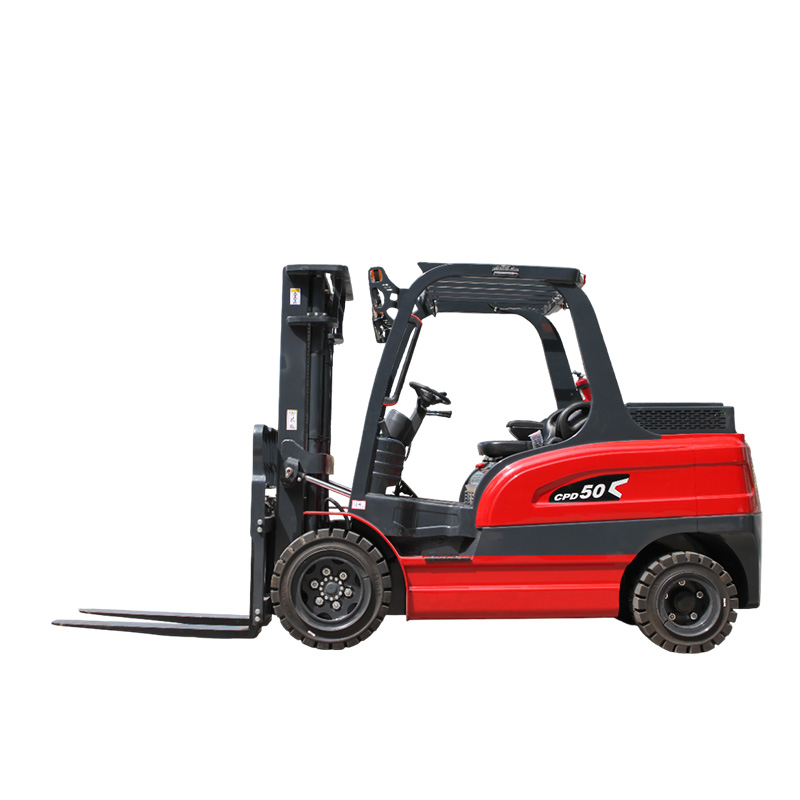
Why Electric Sit Down Forklifts Are Transforming Warehouse Material Handling
Redefining efficiency and safety in modern warehouse operations
Electric sit-down forklifts really boost how operations run day to day because they handle well and don't produce any emissions. According to a recent study from MHI in 2024, facilities that switched to electric models saw their energy bills drop around 38%. At the same time, these warehouses moved about 22% more pallets through their systems than those still running on gas or diesel engines. Another big plus is no exhaust fumes hanging around. This means warehouses don't need expensive ventilation systems in cold storage areas where maintaining consistent temperatures is critical. The air quality inside improves significantly too, with measurements showing roughly 57% better air quality when following OSHA's indoor standards.
Comparing electric vs. internal combustion forklifts in indoor environments
In climate controlled warehouses, internal combustion forklifts actually burn about 30% more fuel moving each pallet because they need extra ventilation to handle all that exhaust fume buildup. Switching to electric models makes a big difference though. These electric lifts typically cost around half as much to maintain over their whole lifespan, mainly because brushless motors cut down on about 80% of those parts that usually wear out in the drivetrain. And there's another perk too: energy recovery braking captures roughly 15 to 20% of the power lost when slowing down. Most warehouse managers report seeing a solid return on investment within just under two years based on these savings alone, which checks out with what most industry experts are saying these days.
The role of operator comfort and noise reduction in productivity
When companies upgrade to electric sit down forklifts with better ergonomics, they often see their warehouse staff stay on board about 25% longer. That matters a lot in busy facilities where turnover costs money. Another big plus is the noise factor. These electric models run around 68 decibels, which is roughly 40% less loud compared to traditional diesel forklifts. Quieter machines mean workers can actually hear each other talking across the warehouse floor. Studies show this leads to fewer misplaced items during those hectic overnight shifts, cutting down errors by approximately 12%. Plus, the special torsion resistant frames really make a difference. Operators report feeling less tired after hours of riding these trucks because there's significantly less vibration getting transferred through the seat. Most people can push through their shifts about 27% longer before needing breaks or showing signs of fatigue affecting their work quality.
Lithium-Ion Battery Technology: Powering the Next Generation of Electric Sit Down Forklifts
Fast Charging and Opportunity Charging: Minimizing Downtime in Continuous Operations
A recent study from warehouse operations in 2023 found that lithium ion batteries charge about two thirds faster than traditional lead acid options. When workers take advantage of those brief moments between tasks or when changing shifts to plug in their equipment, it actually boosts how long machines stay running by around 28 percent across facilities operating multiple shifts throughout the day. Electric sit down forklifts benefit greatly from this because there's no need to swap out depleted batteries anymore. The machines keep going strong without interruption, which makes all the difference when things get busy on the floor during rush hours or other high demand times.
Lifecycle Cost Analysis: Lithium-Ion vs. Lead-Acid Batteries in Class IV Forklifts
While lithium-ion batteries carry a 2.4x higher upfront cost, they reduce total ownership expenses by 19–34% over 8 years due to:
- 12,000+ cycle lifespan (3x longer than lead-acid)
- Zero watering or equalization costs
- 93% energy efficiency vs. 80% for lead-acid
A 2024 logistics cost report found warehouses recoup the lithium premium within 2.5 years through lower maintenance and replacement costs.
Debating the Hype: Are Lithium-Ion Batteries Truly Superior for Warehouse Use?
Lithium ion batteries have their issues according to many industry observers. They tend to react poorly when temps drop below freezing or climb above room temperature comfort zone, plus they cost more money upfront especially for smaller fleet operators. But there's good news too these days. Most indoor operations (around 98 percent actually) don't face serious heat problems thanks to better built-in cooling systems. And let's talk about those electric sit down forklifts that run all day long. When they're working non stop for six hours or more each shift, switching to lithium ion makes financial sense because it saves on electricity bills while also boosting overall productivity numbers significantly.
Sustainability and Regulatory Drivers Behind the Shift to Electric Sit Down Forklifts
Reducing Carbon Footprint with Zero-Emission Electric Forklifts
Electric sit down forklifts eliminate tailpipe emissions, cutting warehouse carbon footprints by up to 90% compared to internal combustion models. Their zero-emission operation aligns with global sustainability targets, particularly in closed environments like e-commerce fulfillment centers where air quality directly impacts worker health.
How ESG Goals and Green Logistics Regulations Are Accelerating Adoption
The tightening of emissions rules such as Europe's Stage V regulations plus all those ESG requirements are pushing warehouse operators toward electric alternatives. A lot of logistics companies these days are focusing on electric forklifts when they need new equipment. Why? Because many corporations have made public commitments about achieving carbon neutrality. And let's face it, governments are helping this shift happen through various incentive programs. Tax breaks for upgrading to cleaner equipment make the switch more attractive financially too.
Case Study: E-Commerce Warehouse Slashes Emissions Using Electric Sit Down Forklifts
A Midwest distribution center achieved a 78-ton annual CO₂ reduction by replacing 20 diesel forklifts with electric sit down models, while lowering energy costs by 42% through regenerative braking systems. The project paid back in 2.3 years—demonstrating how operational savings and regulatory compliance converge in sustainable material handling.
Operational Efficiency and Maintenance Advantages of Electric Models
Higher Uptime and Lower Maintenance Needs in Class 1-3 Electric Forklifts
Electric sit down forklifts eliminate 40% of maintenance tasks required by internal combustion models by removing oil changes, spark plug replacements, and exhaust system repairs. Advanced models now feature self-diagnostic systems that automatically flag components needing attention, reducing unplanned maintenance by 22% according to material handling industry surveys.
Measuring Performance Gains in Real-World Warehouse Material Handling
Operational studies reveal electric models complete pallet movements 18% faster in multi-level racking systems due to instant torque delivery. Regenerative braking systems recover 12–15% of energy during descent phases—a capability internal combustion forklifts cannot replicate.
Integration with Automation and IoT: The Smart Warehouse Connection
Modern electric forklifts transmit real-time performance data to warehouse management systems, enabling predictive maintenance that reduces downtime by 35% in automated facilities. This integration allows synchronized coordination with robotic pallet movers, cutting misshipment errors by 19% in high-volume distribution centers.
Market Trends and Future Outlook for Electric Sit Down Forklifts
Surge in demand: How e-commerce is driving electric forklift innovation
The rapid expansion of e-commerce logistics has accelerated demand for electric sit down forklifts, with projections showing the global market reaching $112.87 billion by 2030. Warehouses prioritizing dense vertical storage and faster order cycles favor electric models for their maneuverability, zero emissions, and compatibility with automated systems.
Recent product launches from leading manufacturers
New lithium-ion-powered models are addressing historic limitations with 30% faster charging and 50% longer lifespans than lead-acid alternatives. Intelligent features like regenerative braking and IoT-enabled fleet tracking further differentiate modern electric forklifts in competitive material handling environments.
Forecasting growth in the global electric forklift sector
Asia-Pacific leads adoption with an 11% CAGR (2024–2033), driven by cold storage expansions and last-mile fulfillment centers. Regulatory pressures in North America and Europe—particularly emissions standards for indoor operations—will sustain 14.4% annual growth through 2030, reinforcing electric sit down forklifts as the backbone of sustainable warehouse logistics.
FAQs
What are the main benefits of electric sit down forklifts?
Electric sit down forklifts offer significant efficiency gains, such as reduced operational costs, better ergonomics, and longer lifespans compared to internal combustion models. They also contribute to improved air quality and require less maintenance.
How do lithium-ion batteries compare to lead-acid batteries for forklifts?
Lithium-ion batteries charge faster, have longer lifespans, and offer higher energy efficiency compared to lead-acid batteries. Despite a higher upfront cost, they result in lower overall ownership expenses over time.
What impact do electric forklifts have on warehouse emissions?
Electric sit down forklifts have zero emissions, drastically reducing the carbon footprint of warehouses by up to 90% compared to internal combustion models.
Are electric sit down forklifts suitable for all warehouses?
While electric forklifts are ideal for indoor operations, especially in climate-controlled environments, they may face challenges in extremely cold or hot conditions. However, improvements in cooling and battery technology are overcoming these barriers.
Table of Contents
- Why Electric Sit Down Forklifts Are Transforming Warehouse Material Handling
- Lithium-Ion Battery Technology: Powering the Next Generation of Electric Sit Down Forklifts
- Sustainability and Regulatory Drivers Behind the Shift to Electric Sit Down Forklifts
- Operational Efficiency and Maintenance Advantages of Electric Models
- Market Trends and Future Outlook for Electric Sit Down Forklifts
- FAQs