
 EN
EN
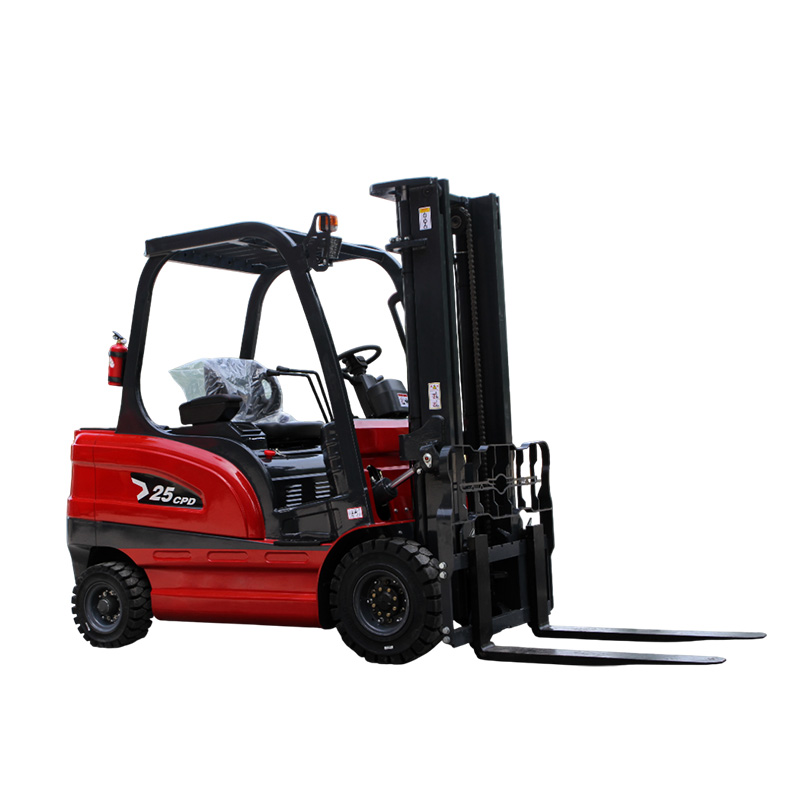
Battery Technology Advancements by Electric Forklift Manufacturers
Lithium-ion Batteries: Powering Longer Operational Uptime
Electric forklift makers are moving away from old school lead acid batteries to newer lithium ion options which last about 40 percent longer between charges and can handle over two thousand recharge cycles before needing replacement. What does this mean for warehouse operations? Fewer battery swaps overall during the life of the machine, probably somewhere around three to five times less frequently than before. The smart battery management systems these days really help keep things running smoothly too. Some top brands actually promise their machines will run all day long on just one charge, even when working inside those super cold storage facilities where temperatures drop way below freezing point.
Fast-Charging Systems and Reduced Downtime in Warehouse Operations
Opportunity charging capabilities allow lithium-ion batteries to recharge to 80% capacity in under 1 hour during breaks. This eliminates traditional 8-hour charging windows, enabling 24/7 warehouse operations. A 2024 logistics efficiency study found facilities using these systems reduced equipment downtime by 53% while increasing pallet moves per hour by 18%.
Energy Efficiency Gains Through Modern Battery Innovations
Third-generation lithium-ion packs achieve 15% higher energy density through silicon-anode designs, allowing equivalent power in smaller footprints. Advanced thermal regulation reduces energy waste by 22% during heavy lifting cycles compared to 2020 models. Manufacturers are integrating regenerative braking systems that recover 8 to 12% of spent energy during lowering operations.
Lead-Acid vs. Lithium-ion: Performance and Cost Comparison for Electric Forklifts
| Factor | Lead-Acid | Lithium-ion |
|---|---|---|
| Charge Efficiency | 80% | 98% |
| Lifespan | 1,500 cycles | 3,000 to 5,000 cycles |
| Maintenance Costs | $3.50/hour operational | $1.20/hour operational |
| Temperature Tolerance | ±14°F (-10°C) | ±104°F (+40°C) |
While lithium-ion carries a 35% higher upfront cost, operators realize 42% lower total ownership costs over five years. As highlighted in recent material handling analyses, the technology's rapid ROI explains its adoption by 68% of new electric forklift fleets since 2022.
Innovative Design for Enhanced Material Handling Efficiency
Ergonomic and Compact Design Improving Maneuverability in Tight Spaces
The folks who make electric forklifts are changing how warehouses work around tight spaces these days. Their latest models have chassis that are about 15% narrower compared to what was available back in 2020 according to that Logistics Space Optimization report from last year. These new machines come equipped with wheels that can rotate almost all the way around 240 degrees plus they distribute weight in a way that makes them really agile. As a result, they can turn within less than 72 inches, something absolutely necessary when working in those narrow aisles below eight feet wide that many automated storage facilities now use. Warehouse workers find themselves needing to correct course only about 27% as often when grabbing pallets off shelves, which means better efficiency overall especially in cramped quarters where every inch counts.
Lightweight Materials and Structural Optimization in Electric Forklift Manufacturing
Around 40 percent of premium electric forklift frames are now made from high strength aluminum alloys, cutting down empty weight by over 1,200 pounds but still holding up under 8,000 pound loads. According to the latest report on materials used in industrial equipment from 2024, this change in materials actually cuts energy costs by about 18% when lifting vertically. At the same time, those new battery compartments designed with a honeycomb pattern help spread out the weight better across the frame. This means acceleration happens roughly 22% quicker than before, all while keeping things stable even when moving at higher speeds through warehouses and loading docks.
Modular Components Enabling Customizable and Scalable Material Handling Solutions
With interchangeable attachments, one electric forklift can tackle over seven different jobs quickly. Think about switching between barrel clamps and those side shifting forks in under ten minutes flat. Warehouse managers have noticed something interesting too. Companies that switch to these modular systems typically cut down on equipment expenses by around 35%, according to Warehousing Efficiency Journal from last year. The savings come from needing fewer machines overall. Another big plus? These forklifts come with scalable power options. When businesses need more battery life later on, they don't have to mess with the whole vehicle structure. Just upgrade the power module itself. This means warehouses stay ready for whatever comes next without breaking their budgets.
Smart Technology Integration for Operational Optimization
Telematics and real-time fleet monitoring by electric forklift manufacturers
Many electric forklift makers have started putting in place telematics systems which let them keep tabs on their entire fleet while it's operating inside warehouses. What these systems do basically is monitor where each vehicle is at any given moment, how much they're being used overall, plus even check up on how operators are performing all thanks to those little IoT sensors built right into the machines. Warehouse managers suddenly get this clear picture of what's going on with all their equipment, so they can shuffle tasks around as needed and figure out better routes for the forklifts to take. A recent look at the material handling tech market from 2025 showed something interesting too - companies saw about an 18% drop in unnecessary driving around empty spaces and got a boost of roughly 22% in how well they were using their assets every year. All this constant flow of information means warehouse staff can spot problems early and tweak their work processes before things get backed up or resources run low.
Predictive diagnostics and preventive maintenance systems
Modern diagnostic systems look at performance data to spot when parts might fail before actual breakdowns happen. The sensors track important stuff such as how hot the motors get, what pressure builds up in hydraulics, and whether batteries are holding their charge properly. Smart computer programs then go through all these numbers and send out warnings anywhere from 50 to around 200 hours before something actually goes wrong. According to some industry research from Ponemon back in 2023, this kind of forward thinking can make components last about 30 percent longer while cutting those surprise repair bills down by roughly seven hundred forty thousand dollars each year for every hundred vehicles on the road. Instead of scrambling to fix problems when they appear suddenly, mechanics can tackle them right when there's time built into the schedule, keeping everything running smoothly without unexpected interruptions.
Advanced safety features enhancing efficiency and reducing workplace incidents
Safety tech built into modern equipment such as collision avoidance systems and automatic slowdown features when traffic gets heavy really cuts down on accidents while keeping things moving smoothly. The numbers back this up too load stability sensors combined with operator alerts have slashed product damage cases by around 45%, based on what we've seen across warehouses nationwide. Fewer sudden stops means less downtime for cleaning up messes after crashes. Take forklifts equipped with those full circle cameras they're making a big difference in tight spaces. Warehouse managers report about 32% quicker turnaround times because operators can navigate at higher speeds without constantly checking blind spots. Makes sense when you think about how much time gets wasted trying to see around corners in crowded storage facilities.
Data-driven insights for optimizing electric forklift fleet performance
Centralized analytics platforms transform operational data into actionable intelligence. Key metrics include:
| Performance Dimension | Optimization Impact | Efficiency Gain |
|---|---|---|
| Energy Consumption | Smart charging scheduling | 18% reduction in kWh usage |
| Task Completion | Route pattern analysis | 15% faster cycle times |
| Battery Management | Usage-based cycling | 25% longer battery life |
These insights enable evidence-based decisions on fleet sizing, shift planning, and technology upgrades. Operators achieve 27% higher pallet moves per hour while reducing energy costs.
Sustainability and Environmental Impact Reduction
Zero-emission operations and the role of electric forklifts in green warehousing
Electric forklifts run without producing any emissions at all, which means no nasty exhaust fumes hanging around in warehouses or factories. This is a big deal compared to gas or diesel models that spew pollutants everywhere. Warehouses going green need these kinds of machines because building codes now require better indoor air quality, and companies want to hit their sustainability goals too. Some top brands have taken it even further by adding regenerative braking tech to their electric models. When these forklifts slow down, they actually recover some energy instead of wasting it, cutting down on overall power usage. Look at what's happening in major shipping centers across the country. More and more logistics operations are switching to electric fleets not just for the environment but because they work better day to day in real warehouse conditions.
Reducing carbon footprint through electric forklift adoption
Switching to electric forklifts in warehouses cuts down on carbon emissions by around 40 to 60 percent compared to their diesel counterparts, even if we factor in how much electricity comes from fossil fuels on the grid. Why? Because electric models actually get way better at turning energy into movement. While traditional internal combustion engines manage only about 20-25% efficiency, electric versions hit closer to 75-80%. Plus, as more clean energy sources feed into our power grids, those emission reductions keep getting better over time. Warehouses charging their equipment with solar panels during the day can practically eliminate emissions altogether. For companies trying to meet their sustainability goals, this kind of switch works well across different operations sizes. Many logistics firms have already started making the change, though implementation varies depending on local regulations and available infrastructure.
Balancing sustainability with performance and cost in electric forklift manufacturing
Forward-thinking electric forklift manufacturers reconcile ecological goals with practical demands through:
| Sustainability Factor | Performance Consideration | Cost Mitigation Strategy |
|---|---|---|
| Recyclable battery components | Maintained energy density | Extended lifecycle (8 to 10 years) |
| Lightweight composite materials | Uncompromised load capacity | Reduced energy consumption |
| Closed-loop manufacturing | Consistent quality standards | Lower waste disposal fees |
This triad approach ensures environmental advancements don't compromise productivity, with lifecycle cost analyses showing 25 to 30% savings versus ICE alternatives despite higher initial investment.
Total Cost of Ownership and Long-Term Operational Efficiency
Lower maintenance costs and extended lifespan of electric forklifts
Switching to electric forklifts cuts down on maintenance costs quite a bit because they have simpler mechanical designs and just don't have as many moving parts as those old gas powered models. No need for engine oil changes, replacing spark plugs, or dealing with exhaust system issues means mechanics spend about 40 percent less time on routine maintenance work across the board. Most major equipment makers now equip their forklifts with lithium ion batteries instead of traditional lead acid ones. These newer batteries tend to last anywhere from two to three times longer without losing power output during operation. The extended life span means companies replace batteries much less often, which brings annual maintenance spending down by roughly 30 percent when all factors are considered.
Lifecycle cost analysis: Electric vs. internal combustion forklifts
When evaluating total cost of ownership (TCO), electric models demonstrate clear economic advantages despite higher initial purchase prices. A comprehensive 20-year TCO analysis reveals electric forklifts achieve 20 to 40% lower lifetime costs through:
- 60% reduction in energy expenses
- 45% fewer maintenance interventions
- Elimination of fossil fuel dependencies
Sensitivity analyses confirm these savings remain robust across fluctuating energy markets, with electric variants maintaining cost superiority even when battery prices vary by ±15%.
How electric forklift manufacturers deliver value through efficiency and reliability
Smart manufacturers are finding ways to get more bang for their buck by designing power management systems that actually last longer and waste less energy. These companies have started using built-in telematics systems that can predict when parts might fail, so they can fix problems before something breaks down completely. This approach cuts downtime significantly in many industrial settings, sometimes as much as 25%. When manufacturers combine solid build quality with technologies that recover wasted energy during operation, their equipment often runs for over 10,000 hours without major performance drops. The result? Better return on investment because machines keep producing goods consistently instead of sitting idle waiting for repairs.
FAQ Section
What are the advantages of lithium-ion batteries over lead-acid batteries in electric forklifts?
Lithium-ion batteries last longer between charges, handle more recharge cycles, and require fewer swaps throughout the forklift's lifespan compared to lead-acid batteries.
How do fast-charging systems benefit warehouse operations?
Fast-charging systems enable lithium-ion batteries to reach 80% capacity in under an hour, eliminating traditional charging windows and allowing continuous 24/7 operations.
What are the benefits of using lightweight materials in electric forklift manufacturing?
Lightweight materials like aluminum alloys reduce weight and boost energy efficiency, allowing for quicker acceleration and reduced energy costs during lifting.
How do predictive diagnostics improve electric forklift maintenance?
Predictive diagnostics identify potential part failures before breakdowns occur, extending component life and reducing surprise repair bills.
Why are electric forklifts considered more sustainable compared to gas-powered models?
Electric forklifts produce zero emissions, improving indoor air quality and meeting ecological goals, while enhancements like regenerative braking help reduce overall energy consumption.
Table of Contents
- Battery Technology Advancements by Electric Forklift Manufacturers
- Innovative Design for Enhanced Material Handling Efficiency
- Smart Technology Integration for Operational Optimization
- Sustainability and Environmental Impact Reduction
- Total Cost of Ownership and Long-Term Operational Efficiency
-
FAQ Section
- What are the advantages of lithium-ion batteries over lead-acid batteries in electric forklifts?
- How do fast-charging systems benefit warehouse operations?
- What are the benefits of using lightweight materials in electric forklift manufacturing?
- How do predictive diagnostics improve electric forklift maintenance?
- Why are electric forklifts considered more sustainable compared to gas-powered models?