
 EN
EN
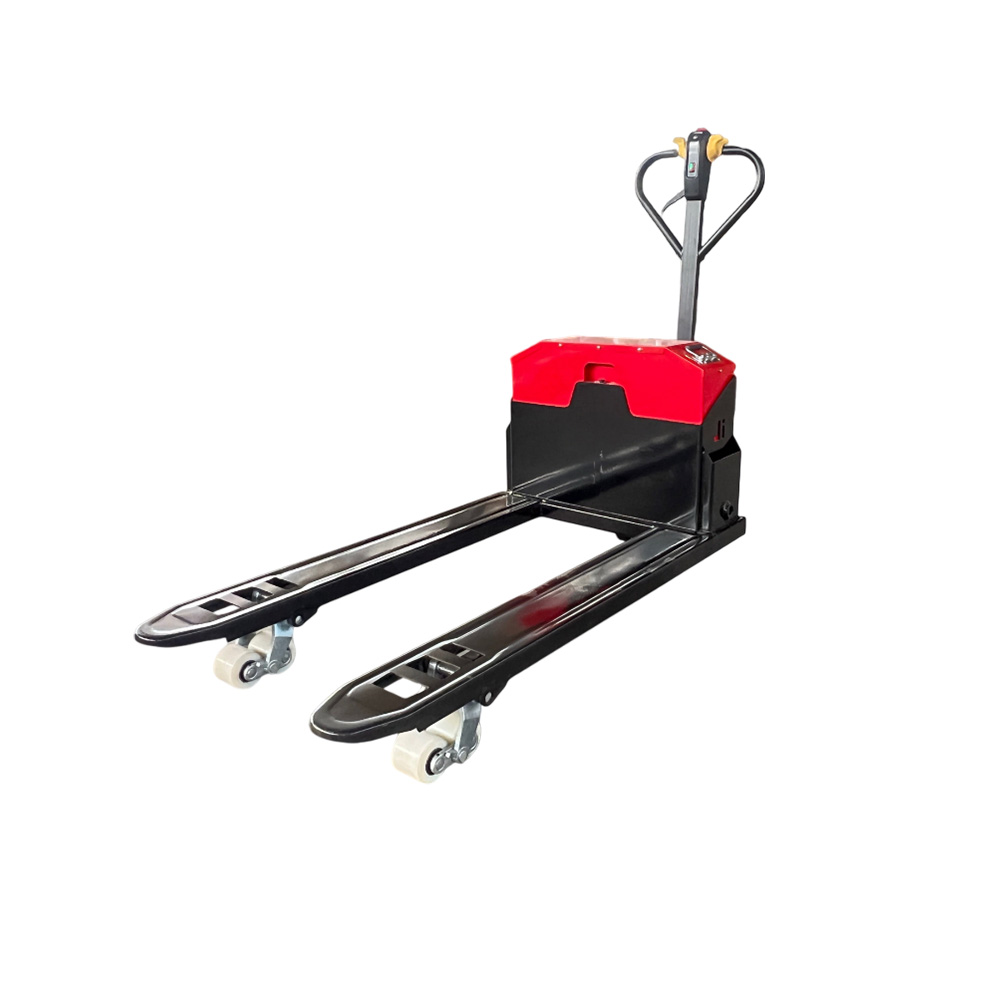
Understanding ROI and Total Cost of Ownership for Hydraulic Pallet Jacks
Defining return on investment (ROI) calculation for warehouse equipment
When looking at return on investment for hydraulic pallet jacks, it's really about whether the money saved over time actually makes up for what was spent initially. Recent studies from warehouse operations in 2024 show that going electric can cut down labor expenses quite a bit too. Some facilities reported saving anywhere between 35 to almost half their usual costs when switching from manual jacks. Why? Because these electric versions just don't put as much stress on workers' bodies and get the job done faster. Anyone doing the math needs to consider several factors though. First, there's the obvious boost in productivity numbers. Then we have those costly workplace injuries to think about. Shoulder injuries alone tend to cost around $74k in workers comp claims on average. And let's not forget about how long the equipment actually lasts before needing replacement or major repairs.
The role of total cost of ownership (TCO) in evaluating hydraulic pallet jack investments
TCO extends beyond purchase price to include:
| Cost Factor | Manual Hydraulic Jack | Electric Hydraulic Jack |
|---|---|---|
| Annual Maintenance | $120 | $300 |
| Energy Costs | $0 | $85 |
| Labor Efficiency | 15 pallets/hr | 27 pallets/hr |
Data Source: Forklift Academy Comparative Study
Industry research shows electric jacks achieve 22% lower TCO over five years in facilities regularly moving goods beyond 75 feet, thanks to higher throughput and reduced indirect labor costs.
How ROI and TCO shape procurement strategies for material handling equipment
Warehouses handling 50+ pallets daily typically choose electric models due to documented productivity gains, while low-volume operations may favor manual jacks. Combining ROI timelines with TCO projections prevents short-term savings from undermining long-term profitability. Strategic buyers assess both metrics to align equipment choices with workflow intensity and growth plans.
Breaking Down the Total Cost of Ownership Beyond Initial Price
Initial Acquisition Costs vs. Long-Term Value of Hydraulic Pallet Jacks
The manual hydraulic pallet jacks might seem cheaper at first glance, costing between $1,200 to $2,500 each. However, when looking at what these things actually cost over time, they end up being more expensive than electric versions after about five years. According to some research from the Material Handling Institute in 2023, around two thirds of warehouse managers don't really get the big picture because they only look at what something costs when bought new. Electric pallet jacks do come with bigger price tags ranging from $3,500 up to $5,000 initially. But here's where it gets interesting - these electric models generally save money long term. They cut down on maintenance needs and require less labor overall, resulting in about 18 to 22 percent savings compared to their manual counterparts when considering all expenses over time.
Maintenance, Energy, and Operating Costs Over Equipment Lifespan
Key TCO components include:
- Annual maintenance: $150–$400 for electric vs. $300–$600 for manual models
- Energy consumption: Electric units average $120/year in power costs
- Replacement parts: Manual jacks require seal replacements three times as frequently
Maintenance costs alone account for 40% of TCO for manual equipment over ten years, compared to 25% for electric alternatives—highlighting the long-term financial advantage of motorized systems.
Hidden Operational Costs: Worker Fatigue, Injury Risks, and Downtime With Manual Models
Manual hydraulic pallet jacks contribute to indirect costs through:
- 23% higher worker fatigue rates (OSHA 2022)
- 18% more musculoskeletal injuries, averaging $15,000 per Workers' Compensation claim
- 31% longer loading/unloading cycles than electric models
Facilities using manual jacks report 45 additional annual downtime hours per unit for maintenance and recovery, equating to $7,200 in lost productivity.
Labor Efficiency and Productivity Gains with Electric Hydraulic Pallet Jacks
Electric hydraulic pallet jacks are transforming warehouse operations by reducing physical exertion while accelerating material movement. Recent studies indicate these motorized tools can boost material handling efficiency by up to 30% compared to manual alternatives (Rentalex 2023), making them essential in high-volume environments.
Operational Efficiency Improvements from Motorized Hydraulic Pallet Jacks
Operators move loads 30% faster with electric models due to reduced pushing/pulling effort. Features like ergonomic controls and smooth acceleration allow staff to handle 18–22 pallets per hour versus 12–15 with manual jacks—a 45% productivity gain during peak shifts.
Quantifying Labor Savings and Reduced Physical Strain on Warehouse Staff
Automated load propulsion cuts operator energy expenditure by 62%, enabling longer, safer shifts without fatigue-related errors (Warehouse Safety Institute 2023). Facilities report 19% fewer musculoskeletal injuries after switching to electric hydraulic pallet jacks.
Reduced Cycle Times and Minimized Downtime with Electric Models
Electric models complete 100-meter transport cycles 22 seconds faster than manual alternatives. Without repetitive pumping, operators maintain consistent speeds throughout shifts—critical for meeting same-day shipping deadlines.
Case Study: Measurable Efficiency Gains After Upgrading to Electric Hydraulic Pallet Jacks
A Midwest distribution center eliminated 417 annual labor hours per operator after transitioning to electric models—equivalent to $18,500 in savings per employee. Damage rates dropped 37% due to improved load control during acceleration and decelereration.
Manual vs. Electric Hydraulic Pallet Jacks: A Strategic Cost-Benefit Analysis
Comparing Performance and Costs of Manual and Electric Hydraulic Pallet Jacks
Manual hydraulic pallet jacks offer a 60–70% lower upfront cost compared to electric models, appealing to budget-conscious operations. However, electric variants reduce operator fatigue by 58% in high-frequency environments (Material Handling Institute 2023) and increase productivity through faster load cycles.
| Feature | Manual Jacks | Electric Jacks |
|---|---|---|
| Initial Cost | $800–$1,200 | $4,000–$6,000 |
| Labor Efficiency | 15–20 loads/hour | 25–35 loads/hour |
| Operational Costs | $50/year (maintenance) | $300/year (battery + maintenance) |
| Optimal Usage Scenario | Short distances, <4h daily use | Multi-shift operations, 200ft routes |
Matching Equipment Choice to Usage Intensity and Workflow Demands
High-volume warehouses moving 150+ pallets daily achieve 30–40% faster cycle times with electric hydraulic pallet jacks, while manual models suffice for facilities with fewer than 50 daily moves. In operations spanning over 100,000 sq. ft., ROI accelerates when electric jacks reduce worker travel time by 22 minutes per hour (Warehouse Efficiency Report 2023).
Scalability Considerations When Investing in Hydraulic Pallet Jack Fleets
Growing operations benefit from electric models’ integration capabilities with warehouse management systems, enabling real-time load tracking across expanding facilities. While manual jacks suit single-location startups, multi-site distributors require standardized electric fleets to maintain 98% inventory accuracy during scaling phases.
Usage Patterns That Maximize ROI on Hydraulic Pallet Jack Investments
How Distance, Load Capacity, and Frequency of Use Impact ROI
How these jacks get used makes all the difference between them saving money or just sitting around collecting dust. When someone needs to move things over distances longer than 300 feet, going electric cuts down on labor expenses somewhere around 18 to 22 percent because they keep moving at steady pace without workers getting tired out so fast according to Material Handling Institute data from last year. The weight capacity is another factor worth considering too. Machines that handle loads over 3,000 pounds every day work better with electric systems since they need maintenance checks about 35% less often. And for those busy warehouses where operators lift stuff hundreds of times each day, the return on investment really takes off. Sealed hydraulic systems in these high volume situations mean changing lubricants only about 40% as much compared to regular manual ones, which adds up nicely over time.
Choosing the Right Hydraulic Pallet Jack Based on Operational Workflow Volume
Getting the right equipment matched to how much work comes through each day stops companies from wasting money or getting stuck with slow processes. Warehouses moving around 50 pallets an hour usually see their investment pay off in about a year and a half when they go electric. These setups work better because things move faster and workers can focus on what matters most. On the flip side, places that handle less than 20 pallets every hour tend to get the best return when sticking with manual hydraulic jacks. The initial cost is much lower which makes sense for businesses that don't need constant lifting power. When volumes fluctuate throughout the week, mixing both types of equipment tends to work out best overall. This combination cuts down on what it costs to handle each individual pallet by roughly 19 percent across warehouses running multiple shifts throughout the day.
FAQ Section
Q: What is ROI and why is it important for warehouse equipment?
A: ROI, or return on investment, is a measure of the profitability of an investment. For warehouse equipment like hydraulic pallet jacks, ROI helps determine if the money saved through efficiency and productivity gains outweighs the initial purchase costs.
Q: What does TCO stand for?
A: TCO stands for Total Cost of Ownership. It includes all costs associated with purchasing, maintaining, and operating warehouse equipment over its lifespan, giving a complete picture of financial impact and long-term value.
Q: Why might electric hydraulic pallet jacks be preferable despite higher initial costs?
A: Electric hydraulic pallet jacks, although more expensive upfront, offer greater efficiency and reduce long-term operational costs such as maintenance, energy consumption, and labor costs, making them a cost-effective solution over time.
Q: How does equipment choice affect workflow in warehouses?
A: Choosing the right equipment impacts productivity and efficiency. Electric jacks are better suited for high-volume and long-distance operations due to their speed and low maintenance needs, while manual jacks are suitable for low-volume, short-distance tasks.
Table of Contents
- Understanding ROI and Total Cost of Ownership for Hydraulic Pallet Jacks
- Breaking Down the Total Cost of Ownership Beyond Initial Price
-
Labor Efficiency and Productivity Gains with Electric Hydraulic Pallet Jacks
- Operational Efficiency Improvements from Motorized Hydraulic Pallet Jacks
- Quantifying Labor Savings and Reduced Physical Strain on Warehouse Staff
- Reduced Cycle Times and Minimized Downtime with Electric Models
- Case Study: Measurable Efficiency Gains After Upgrading to Electric Hydraulic Pallet Jacks
- Manual vs. Electric Hydraulic Pallet Jacks: A Strategic Cost-Benefit Analysis
- Usage Patterns That Maximize ROI on Hydraulic Pallet Jack Investments