
 EN
EN
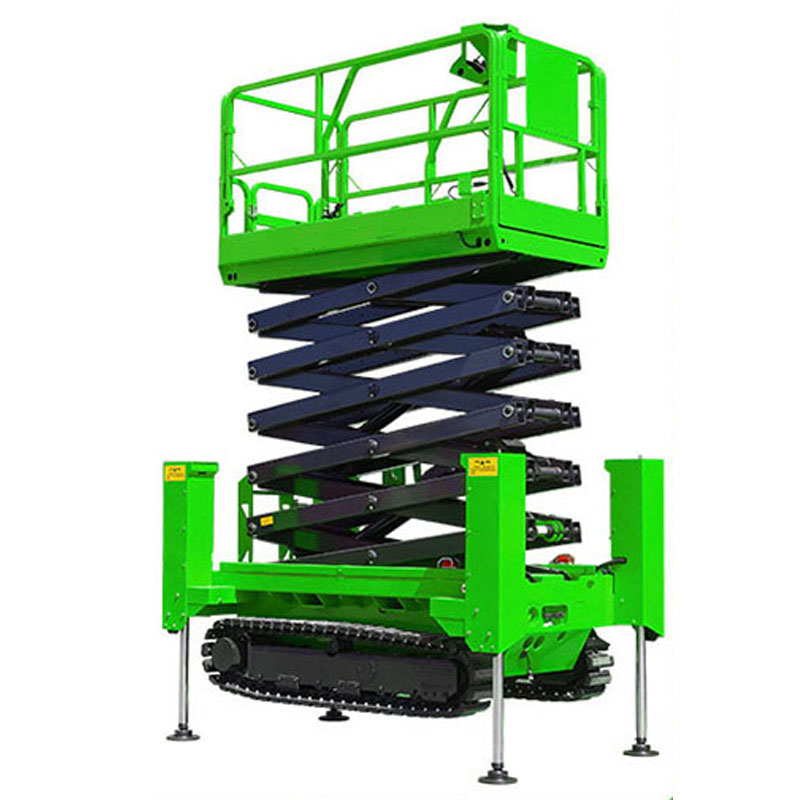
Understanding the Hydraulic Scissor Lift Mechanism
How Hydraulic Scissor Lifts Work and Their Core Operational Principles
Hydraulic scissor lifts work by turning hydraulic power into upward movement through pressurized fluids. The process starts when someone turns on the machine. A pump then pushes hydraulic oil into those big metal cylinders we see on these lifts. As the oil fills up, it extends those long rod things inside the cylinders which in turn pushes the scissor arms outward, lifting the whole platform up. These hydraulic systems can handle much heavier weights compared to their electric counterparts sometimes reaching as high as 30 thousand pounds! Plus they tend to operate more smoothly too. That's why most factories and warehouses still prefer them for heavy lifting tasks despite newer electric models being available nowadays.
Working Principle of Hydraulic Systems in Scissor Lifts
At their core, these lifting mechanisms rely on what we call Pascal's Principle in engineering circles. Basically, when pressure hits a trapped liquid, it spreads out evenly everywhere inside. The whole thing starts with a motor powered pump cranking up the hydraulic fluid pressure, then sending that force through metal tubes into cylinder chambers where pistons push outwards, making those familiar scissor arms pop open. Operators tweak valves throughout the system to fine tune how high things go up, sometimes needing multiple adjustments during setup. When time comes to bring everything down safely, operators let the fluid drain back into storage tanks slowly enough so nothing jerks around unexpectedly. Most experienced technicians know from experience that rushing this step can lead to dangerous situations if not done properly according to manufacturer specs.
Key Components: Scissor Arms, Platform, Base, and Hydraulic Cylinders
Four core components define performance:
- Scissor arms: Cross-braced steel linkages that extend vertically under hydraulic force.
- Platform: Load-bearing surface with anti-slip finishes and guardrails for worker safety.
- Base: Reinforced frame that evenly distributes weight to prevent tipping.
- Hydraulic cylinders: Stainless steel units rated for ≥3,000 PSI, designed to endure repeated cycles (Hydraulic System Components Guide).
Together, these elements enable lift heights ranging from 10 to 50 feet, tailored to specific operational needs.
Planning and Site Preparation for Hydraulic Scissor Lift Installation
Assessing Operational Needs and Selecting the Right Type of Hydraulic Scissor Lift
When picking out the right lifting equipment, there are several factors worth considering first. The main things to look at include what kind of weight needs lifting, how big the platform should be, and just how high it needs to go. If dealing with anything heavier than two tons, experts recommend going for machines that can handle 125% of their stated capacity according to Industrial Equipment Standards from last year. Why? Because real world conditions often throw unexpected stresses into the mix. Electric compact lifts tend to save around 18 to 22 percent in energy costs when compared against traditional diesel alternatives. These smaller units work great inside warehouses where they're moving pallets around regularly. On the flip side, those heavy duty hydraulic lifts really shine when working outdoors on rough ground or construction sites. Don't forget about comfort either. Make sure whatever lift gets installed has its platform set at roughly the same level as existing workstations throughout the facility. This simple adjustment goes a long way toward reducing worker fatigue and preventing injuries caused by awkward bending or reaching motions during daily operations.
Site Evaluation: Space, Load Capacity, and Ground Conditions
According to the QMillwright Safety Report from 2023, about two thirds of all problems with hydraulic systems actually start because nobody checked the foundation properly before installing anything. When setting up equipment, always make sure there's enough space above for complete movement and double check that whatever surface we're putting it on can handle at least 30% more weight than what the lift itself weighs. If the ground seems shaky or bouncy, especially when heavy loads are involved, it's worth investing time into compacting the soil underneath or pouring some kind of concrete pad. Most technicians will tell us that getting those anchor bolts level right from the beginning makes a huge difference later on. Same goes for planning where those hydraulic lines need to go ahead of time instead of trying to figure it out after everything else is already in place.
Power Source Considerations: Electric, Diesel, and Hydraulic System Compatibility
Most warehouses rely on electric lifts since they don't emit anything and run pretty quietly around 55 decibels. However these models need special three phase 480 volt power supply which can be a limitation. For construction sites where mobility matters more than emissions, diesel powered units work better despite their drawbacks. The newer EPA Tier 4 engines definitely cost more to maintain though, somewhere between 15 and 20 percent higher expenses compared to older models. Automotive manufacturing facilities are increasingly turning to hybrid systems for their versatility. About a third of auto plants have adopted this approach already. When selecting equipment, it's important to match the hydraulic fluid's thickness to what temperatures will typically be encountered from minus ten degrees Fahrenheit all the way up to 120 degrees. Pump pressures should also fall within reasonable ranges, generally between 1500 and 3000 pounds per square inch depending on local climate conditions and how hard the machinery needs to work throughout its operational cycle.
Step-by-Step Implementation and System Calibration
Assembling and Integrating the Hydraulic Scissor Lift Mechanism
Follow manufacturer guidelines to align scissor arms, platform, and base. Use calibrated tools to secure pivot points and hydraulic cylinders, ensuring symmetrical load distribution. Proper assembly reduces structural stress and enhances longevity, as emphasized in industrial equipment installation best practices (LinkedIn 2024), which highlight documenting torque specs and component tolerances.
Connecting Hydraulic Power Units and Fluid Line Setup
- Route hoses away from sharp edges using anti-abrasion sleeves
- Secure fittings with thread-locking compounds to prevent leaks under high pressure
- Prime the system by cycling fluid through the pump, cylinders, and reservoir to remove air pockets
Use manufacturer performance charts to match flow rates between power units and lift mechanisms.
Testing, Calibration, and Initial Performance Verification
Start with incremental load testing at around 25% capacity while keeping an eye on cylinder symmetry using laser alignment equipment. Sensors need proper calibration during actual operation according to industry standards from ISA in 2023. Adjust those pressure relief valves until both lifting and lowering speeds meet OSHA requirements for stability, which generally means staying below 0.8 meters per second when working on platforms over 6 meters high. For final checks, run three full cycles at 110% of the rated load capacity. During these tests, hydraulic drift shouldn't go beyond about 5 millimeters per hour. This ensures everything stays within safe operational parameters throughout normal usage scenarios.
Safety Compliance and Operational Best Practices
Essential Safety Features and OSHA/ISO Regulatory Requirements
Today's hydraulic scissor lifts come equipped with several safety features designed to keep workers safe. These typically feature emergency descent mechanisms, overload detection sensors, plus mechanical locking arms that help prevent equipment failure during operation. When it comes to meeting safety standards, manufacturers must follow both OSHA regulation 1910.67 and the latest ISO standard 16368 from 2023. The Occupational Safety and Health Administration actually requires yearly checks on all hydraulic cylinders and any welds that bear weight. Meanwhile, getting ISO certified means having someone outside the company verify things like guardrail installation and whether those anti-slip surfaces are properly maintained. Companies that stick closely to these guidelines tend to see fewer accidents at work sites. Some studies even suggest accident rates drop between 18 and 22 percent each year when proper maintenance procedures are followed consistently.
Safe Operation Guidelines: Load Limits, Stability, and Hazard Prevention
Operators should follow three key principles:
- Load limits: Never exceed 80% of rated capacity (e.g., 3,200 lbs on a 4,000-lb lift) to account for dynamic forces.
- Stability checks: Deploy outriggers on uneven surfaces and maintain a 3:1 base-to-height ratio when elevated.
- Hazard zones: Mark clearance areas 1.5× the lift height to avoid overhead collisions.
Pre-operation checks must verify fluid levels, hose condition, and control responsiveness—neglecting these steps contributes to 63% of lift-related injuries (OSHA 2023 data).
Maintenance, Troubleshooting, and Long-Term Performance
Routine Inspection and Maintenance of Hydraulic Components and Structure
Proactive maintenance extends equipment life by 30–40% and cuts downtime costs by 38% (2023 Machinery Reliability Report). Weekly tasks include:
- Inspecting hydraulic cylinder seals for leaks using UV dye
- Checking scissor arm pivot points for proper lubrication (0.15–0.25 mm gap)
- Measuring fluid viscosity monthly (optimal range: 32–68 cSt at 40°C)
Use vibration analysis to detect early pump cavitation. Replace filters every 300–400 hours, as contamination causes 75% of hydraulic failures. Conduct annual structural evaluations for weld integrity and deformation per ISO 16368:2023.
Identifying Common Issues and Effective Troubleshooting Techniques
Three frequent issues appear in repair logs:
| Symptom | Root Cause (Frequency) | Solution |
|---|---|---|
| Uneven lifting | Misaligned sensors (41%) | Recalibrate using laser tools |
| Jerky motion | Air ingress in lines (33%) | Bleed and purge the system |
| Complete lockout | Solenoid valve failure (26%) | Test coil resistance (12–18°C) |
Electric models tend to shut down quite often, actually about 68% of the time because those connectors just corrode away according to that recent study on electro-hydraulic systems from 2024. The fix? Get some dielectric grease out there every three months or so, and while we're at it, take a good look at those wires when doing seasonal checks. Keep things organized too. A proper maintenance log makes all the difference for tracking what gets fixed and knowing when parts need replacing. And let's not forget safety basics here folks. Stick strictly to OSHA lockout tagout rules. We see way too many accidents happen each year simply because someone didn't properly isolate energy sources before working on equipment. That 23% injury rate for lifts isn't just numbers on paper either.
Frequently Asked Questions (FAQ)
What is a hydraulic scissor lift?
A hydraulic scissor lift is a mechanical device that uses hydraulic power to lift and lower loads vertically, typically used in industries for material handling and maintenance tasks.
How does Pascal's Principle apply to hydraulic scissor lifts?
Pascal's Principle states that in a fluid at rest, any change in pressure is transmitted undiminished throughout the fluid. This principle is integral to the operation of hydraulic scissor lifts as it allows them to evenly distribute force through the hydraulic system for smooth lifting.
What factors should be considered when choosing a hydraulic scissor lift?
Considerations include the weight capacity, platform size, lift height, site conditions, power source preferences, and safety features when selecting a hydraulic scissor lift.
How often should maintenance be performed on hydraulic scissor lifts?
Maintenance should include weekly inspections, monthly fluid checks, filter replacements every 300–400 hours, and annual structural evaluations to ensure safety and longevity.
Table of Contents
- Understanding the Hydraulic Scissor Lift Mechanism
- Planning and Site Preparation for Hydraulic Scissor Lift Installation
- Step-by-Step Implementation and System Calibration
- Safety Compliance and Operational Best Practices
- Maintenance, Troubleshooting, and Long-Term Performance
- Frequently Asked Questions (FAQ)