
 EN
EN
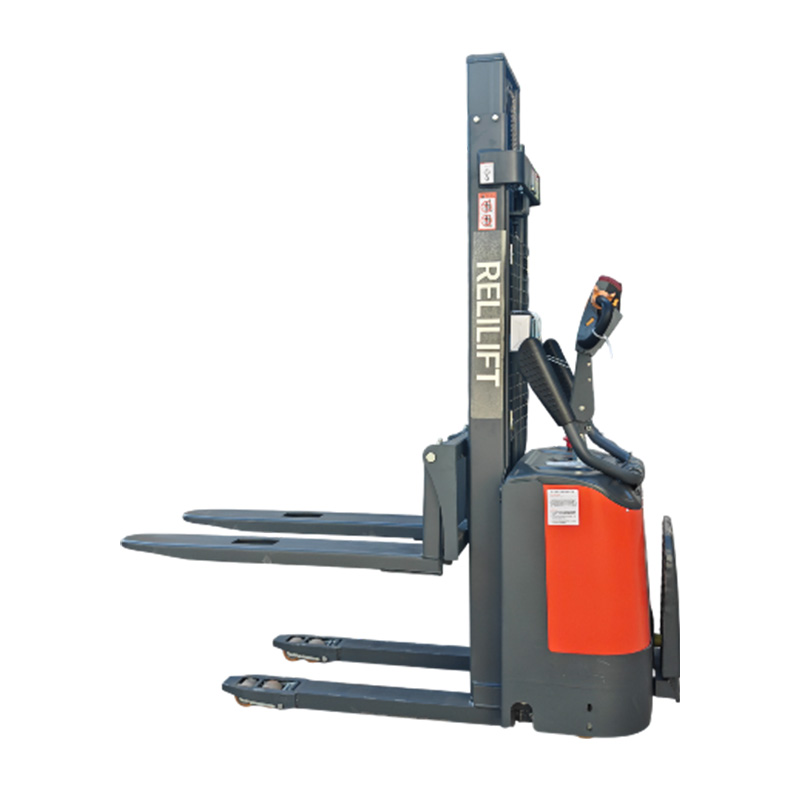
Match Electric Stacker Type to Workflow, Load, and Throughput Requirements
Walkie, Rider, Straddle, and Counterbalance Electric Stacker Models: Functional Fit for Material Flow
Picking the correct electric stacker really comes down to matching the machine's design to how things actually work on the warehouse floor. Walkie stackers are great when space is tight because they take up so little room, making them perfect for those constant back and forth trips across small areas. Rider models make all the difference in busy operations where people need to work long hours without getting exhausted from pushing around heavy loads. For those tricky situations with odd shaped items or big bulky stuff, straddle stackers offer better balance and control. And when dealing with rough floors or needing to lift materials higher off the ground, counterbalance stackers tend to perform better overall. The numbers tell part of the story too. Rider stackers can typically handle about 30% more pallets each hour compared to walkie models under similar conditions, which adds up over time in terms of efficiency gains.
| Model Type | Optimal Throughput | Space Requirement |
|---|---|---|
| Walkie | Medium | Low |
| Rider | High | Medium |
| Straddle | Medium-High | Medium |
| Counterbalance | High | High |
Prioritize models matching your facility’s workflow patterns—high-frequency operations benefit most from lithium-ion batteries enabling rapid opportunity charging and minimizing downtime.
Load Capacity & Duty Cycle Analysis: Sizing Your Electric Stacker for Real-World Operations
Don't go by those max weight numbers alone when making capacity calls. Look at what actually happens on the floor. Studies show around two thirds of warehouse gear breakdowns happen because of constant overloading, even if weights stay under official limits according to Ponemon Institute data from last year. Watch out for shifting centers of gravity too. Take a stacker rated for 1500kg – try lifting all those weird shaped boxes and it might struggle safely with just about 1100kg instead. Duty cycles matter just as much. Equipment running nonstop during an eight hour shift needs proper cooling systems that aren't necessary for machines used off and on throughout the day. Most big name manufacturers suggest cutting down the listed capacity by roughly 15% when operating continuously to keep motors from wearing out too fast. And always check how busy periods match up with the stacker's S3 duty rating to avoid melting things down mid-shift.
Ensure Racking Integration with Lifting Height and Aisle Compatibility
Lifting Height vs. Rack Clearance: Avoiding Operational Conflicts with Your Storage System
When checking an electric stacker's lifting capacity, don't forget to compare it with the actual usable space in your warehouse racks. Look beyond just the beam height measurements. Sprinkler heads and other things hanging from the ceiling matter too. Most safety guidelines suggest keeping around 10 to 15 centimeters of space between the top of loaded pallets and whatever's above them. Getting this right matters for several reasons. If there's not enough room, products can get damaged when lifted, and the rack beams might bend over time. But leave too much empty space up there and valuable storage area goes to waste. For warehouses wanting optimal performance, investing in stackers equipped with accurate height controls makes sense. Features like programmable stop points and laser guided positioning help these machines work better with existing rack setups without constant manual adjustments.
Aisle Width, Turning Radius, and Throughput: Selecting the Right Electric Stacker for Space-Constrained Warehouses
When working with narrow aisles under 1.8 meters wide, compact electric stackers are essential. These need turning radii of around 1.2 meters or less to move smoothly without taking up too much space. On the flip side, wider aisles allow for faster travel speeds, though they do cut down on how densely we can store goods. So when planning warehouse operations, it's important to balance speed against actual storage capacity. To get the most out of available space, look for stackers fitted with rear guard sensors and pivot drive technology. Such equipment maintains steady control even at about 2.5 meters per minute in those tight spots, all while keeping loads secure and ensuring operators can see what's happening clearly.
Assess Power, Environment, and Safety Features of Your Electric Stacker
Battery Technology Showdown: Lead-Acid vs. Lithium-Ion for Uptime, TCO, and Charging Flexibility
The battery in an electric stacker plays a big role in how much time equipment stays operational, what kind of maintenance is needed, and overall costs over time. Lead acid batteries might seem cheaper at first glance but come with their own headaches - they need a full eight hours to recharge, regular water top ups every week, plus proper ventilation because they release gases while charging. Lithium ion options tell a different story though. They last about 30 percent longer between charges, can get back to full power in just two hours instead of waiting all day, and typically last through around 2000 charge cycles compared to only about 700 for lead acid ones based on recent industry research from last year. What makes lithium really stand out is this ability to do quick top ups during short breaks without worrying about damaging the battery. No more swapping out heavy batteries or setting aside special space for charging stations. Companies running operations across multiple shifts see real gains here too. Downtime drops by nearly half when switching to lithium technology, plus there's no risk of those nasty acid leaks that plague traditional battery systems.
Environmental Suitability: Indoor Precision, Cold Storage, or Hazardous Area Certification for Electric Stackers
The operating environment really determines what features are absolutely necessary. For indoor operations, we typically see a need for sealed electronics, regenerative braking systems, plus those fine tuned mast controls that allow workers to place loads precisely in tight spaces between shelves. When dealing with cold storage at around minus 20 degrees Celsius, lithium ion batteries become essential because they have built in thermal management systems. Lead acid batteries just won't cut it there since they lose about half their capacity when temperatures drop below freezing point. Safety is paramount in hazardous areas so equipment must carry either ATEX or IECEx certification across all motor components, switches, and control panels. Pharmaceutical cleanrooms present different challenges altogether requiring non marking tires and components rated IP54 to stand up against dust accumulation and moisture ingress. Wet floor environments demand special attention too with enhanced traction tires becoming a must along with anti slip surfaces on operator platforms. Before finalizing any purchase decisions, it's crucial to cross check that all environmental certifications align properly with both local regulations and day to day operational realities at each specific facility location.
Evaluate Total Cost of Ownership and Strategic Flexibility
When looking at electric stackers, people often focus only on what they pay upfront. But really, anyone serious about getting good value should look at the whole picture through something called Total Cost of Ownership or TCO. What does this actually cover? Well, it includes things like regular maintenance, how much power the machine eats up over time, when batteries need replacing, all the training operators require, plus those hidden costs from equipment sitting idle. Take lithium ion batteries for instance. Sure, they cost more initially compared to old fashioned lead acid options. However, these newer batteries last around 30 percent longer between replacements, need almost no maintenance at all, and charge much quicker. According to recent research from the logistics industry in 2025, this combination of features can actually save businesses as much as 22 percent on running costs throughout the life of the equipment.
Strategic flexibility means evaluating how well the stacker adapts to evolving needs: Can it scale with increased throughput? Does its control architecture support integration into automation-ready workflows—especially fleet management software and future AMR coordination?
| TCO Factor | Strategic Flexibility Consideration | Operational Impact |
|---|---|---|
| Maintenance Contracts | Compatibility with future fleet expansion | Predictable budgeting & reduced downtime |
| Energy Efficiency | Support for renewable energy integration | 15–30% lower operating costs (Logistics Tech Review 2024) |
| Modular Design | Ease of retrofitting automation features | 40% faster technology adoption |
| Residual Value | Resale/upgrade pathways | Higher ROI at equipment lifecycle end |
Prioritizing TCO transforms capital expenditure into a strategic advantage—ensuring your material handling infrastructure evolves alongside operational demands while containing lifetime costs.
FAQ
What is the main benefit of using lithium-ion batteries over lead-acid batteries?
Lithium-ion batteries last about 30 percent longer between charges, recharge faster, and require less maintenance. They also do not release gases during charging, making them safer and reducing downtime substantially.
How do I determine the best electric stacker type for my warehouse?
Consider your space constraints, throughput requirements, and the type of materials you'll be handling. Walkie stackers are ideal for tight spaces, while rider and counterbalance models fit high-throughput operations and larger load requirements.
Why is Total Cost of Ownership (TCO) significant when choosing an electric stacker?
TCO looks beyond the initial purchase price and considers long-term costs such as maintenance, energy consumption, battery replacement, and operational downtime. Understanding TCO helps ensure you make a cost-effective decision with strategic advantages.
What environmental features should an electric stacker have for cold storage?
For cold storage, electric stackers should have lithium-ion batteries with thermal management systems to prevent loss of capacity at low temperatures, and components must be certified for cold operations.
Table of Contents
- Match Electric Stacker Type to Workflow, Load, and Throughput Requirements
- Ensure Racking Integration with Lifting Height and Aisle Compatibility
- Assess Power, Environment, and Safety Features of Your Electric Stacker
- Evaluate Total Cost of Ownership and Strategic Flexibility
-
FAQ
- What is the main benefit of using lithium-ion batteries over lead-acid batteries?
- How do I determine the best electric stacker type for my warehouse?
- Why is Total Cost of Ownership (TCO) significant when choosing an electric stacker?
- What environmental features should an electric stacker have for cold storage?