
 EN
EN
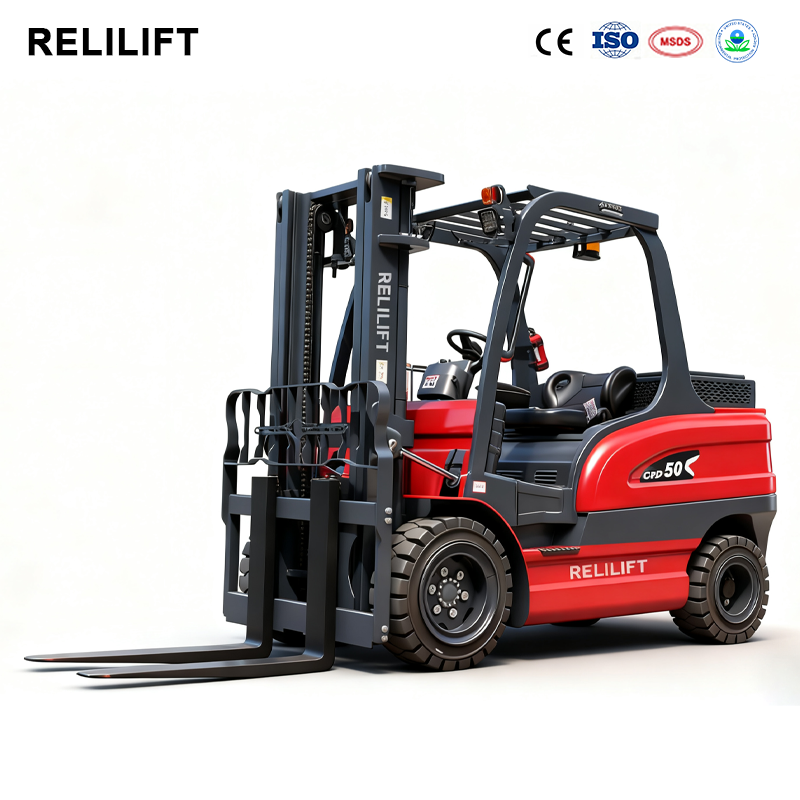
Why Choose an Electric Forklift Over Internal Combustion Models?
Zero Emissions and Indoor Air Quality Compliance
Electric forklifts don't emit anything during operation, so there's no carbon monoxide, nitrogen oxides or particulate matter floating around. That means they're pretty much the only option that works in places like enclosed warehouses, cold storage areas and cleanrooms where workplace safety rules (think OSHA and ISO standards) demand really clean air. Traditional gas or diesel forklifts need expensive ventilation systems and exhaust scrubbers, which adds up fast. Warehouse staff notice a big difference too, with far fewer breathing issues reported. Facilities also dodge fines when their indoor air quality stays within legal limits. Plus, these electric machines run almost silently at around 75 decibels or less, cutting down noise pollution by about three quarters compared to noisy diesel alternatives. The quieter environment helps workers stay focused and safe while still getting the job done efficiently.
Lower Total Cost of Ownership (TCO) and Energy Efficiency
Switching to electric forklifts can really slash what companies spend overall. The numbers tell the story pretty clearly too: running costs are about $1.25 per hour compared to around $8.50 for LPG models and nearly $9.20 for diesel ones according to recent industry reports from 2024. Since these electric units don't have engines, radiators, transmissions, or exhaust systems, shops typically spend about half as much on repairs and get way longer between needed services. Another big plus comes from lithium-ion batteries which last about 30% longer than old school lead-acid types. Plus they charge completely within just one to two hours, so operators can actually top them off during lunch breaks without missing a beat. Looking at the bigger picture, most businesses save somewhere around $45k on each forklift over five years thanks to lower fuel bills, fewer repair needs, parts that last longer, and equipment that stays operational more often.
Key Applications and Operational Environments for Electric Forklifts
Cold Storage and Cleanroom Facilities
Electric forklifts have become the go to choice for operations in freezing conditions and super clean spaces. When temps drop to around minus 30 degrees Celsius, these machines keep running smoothly without those annoying cold start problems or sudden drops in power that plague diesel alternatives. Diesel engines just don't cut it in such extreme cold because the oil gets too thick and combustion isn't complete. For places like pharmaceutical labs that need to maintain ISO Class 5 cleanroom standards, electric models make all the difference. They produce no emissions whatsoever, so there's no risk of contaminating sensitive materials. The absence of combustion means no excess moisture buildup either, which protects things like sterile packaging and delicate electronic components including semiconductors that can be ruined by even tiny amounts of humidity. Plus companies save money since they don't need expensive ventilation systems installed, cutting both initial costs and the burden on heating, ventilation and air conditioning systems over time.
Multi-Shift Warehousing and E-Commerce Fulfillment Centers
Lithium ion powered forklifts keep things running non stop in those fast paced fulfillment centers where every minute counts. Operators can quickly charge them during their coffee breaks instead of swapping batteries, which means no lost time when picking and placing goods all day long. These machines run really quietly too, under 75 decibels, so workers don't get headaches from constant noise during their long shifts especially important areas where humans work alongside robots. The steering is super precise and they turn on a dime, making it possible to maneuver safely through tight spaces just 2.3 meters wide. This allows warehouses to stack inventory higher without worrying about collisions. Another plus point? Regenerative braking captures around 15 percent of energy back during all those lifting and lowering movements, giving these trucks extra juice for climbing multiple levels in busy facilities. Looking at recent stats from Newstrail Market Intelligence, we see that over two thirds of new forklifts installed in North America and Western Europe last year were electric models. Companies are clearly seeing value in switching despite operating three shifts a day because electricity costs stay 30 to 50 percent below traditional fuel options.
Critical Selection Criteria for Your Electric Forklift Investment
Load Capacity, Lift Height, and Battery Runtime Requirements
When selecting material handling equipment, there are three key factors that just can't be ignored: what weight it needs to handle, how high it has to lift, and how long it will run during operations. For most applications, it's wise to go with a machine that handles about 10 to 15 percent more than the maximum load regularly encountered. Take for instance when dealing with 3,000 lb pallets - going for something around 3,300 to 3,500 lb capacity helps maintain structural integrity and meets those important ANSI/ITSDF B56.1 safety standards. Getting the right lift height matters too. If working with standard 20 foot tall storage racks, look for masts that clear at least 240 inches. But down at ground level where picking orders happens, shorter lifts around 118 inches tend to work better both from efficiency standpoint and budget perspective. And don't forget about batteries either. Lithium ion options give operators full day coverage with quick charges during lunch breaks, whereas traditional lead acid batteries need scheduled swaps or overnight charging periods which affects workforce scheduling and warehouse layout decisions.
Charging Infrastructure and Battery Technology Options (Lead-Acid vs. Lithium-Ion)
Your battery decision shapes long-term workflow, space use, and electrical requirements:
| Battery Type | Upfront Cost | Charging Time | Lifespan | Temperature Sensitivity |
|---|---|---|---|---|
| Lead-Acid | Lower | 8–10 hours | ~1,500 cycles | Performance degrades below 0°C; requires hydrogen-ventilated rooms |
| Lithium-Ion | Higher | 1–2 hours | 3,000+ cycles | Stable down to -20°C; no off-gassing, no ventilation needed |
Lithium-ion eliminates battery-swap stations—freeing up ~20% of floor space previously allocated to charging rooms. However, it demands 480V infrastructure and compatible chargers. Lead-acid remains practical for single-shift sites with existing vented charging bays and budget constraints—but adds hidden costs in labor, space, and lifecycle replacement frequency.
Maintenance, Safety, and Operator Training Advantages
Switching to electric forklifts cuts down on maintenance headaches because they eliminate around 70% of the moving parts we see in traditional internal combustion models. No need for oil changes, filter replacements, spark plug checks, exhaust system treatments, or dealing with coolant leaks anymore. Maintenance schedules become much less frequent, probably cutting service visits by about 40%. And when something does go wrong, it happens far less often, so companies can keep their fleets running most of the time. With fewer things that can break down, planning regular maintenance becomes easier, and overall repair costs tend to stay lower over the years.
The safety benefits matter just as much. No emissions means warehouses can meet indoor air standards without worrying about harmful fumes building up. Plus, there's no risk of fires or explosions since these systems don't use flammable fuels like traditional ones do. The machines run quiet too, staying under 85 decibels which is way below what OSHA considers dangerous for workers ears. This quieter operation helps folks concentrate better in busy warehouse environments where constant loud noises would be distracting. Companies that invest in proper operator training see accident numbers drop around 30%, according to OSHA data from 2022. Training covers important stuff like how to handle batteries safely, understanding where weight balances on pallets, and knowing the basics of vehicle stability. Beyond preventing injuries, this kind of training actually makes equipment last longer about 20% longer in most cases. And longer lasting equipment means lower costs over time, plus insurance companies tend to charge less when they know staff has been properly trained. So while safety programs might seem like just another box to check off for compliance, they really end up saving money across the board.
FAQs
What are the main benefits of using electric forklifts over internal combustion models?
Electric forklifts offer zero emissions, lower noise levels, reduced total cost of ownership, improved energy efficiency, and fewer maintenance requirements compared to traditional gas or diesel forklifts.
Why are electric forklifts suitable for cold storage and cleanroom facilities?
Electric forklifts function seamlessly in cold temperatures without issues such as cold starts or power loss. They produce no emissions, helping maintain cleanroom standards by preventing contamination and moisture buildup.
What should be considered when selecting a battery type for electric forklifts?
Considerations include upfront costs, charging time, lifespan, temperature sensitivity, and infrastructure requirements. While lithium-ion batteries have higher upfront costs, they offer faster charging and a longer lifespan compared to lead-acid batteries.
Does operator training for electric forklifts offer significant advantages?
Yes, proper training leads to reduced accident rates, longer equipment lifespan, and compliance with safety standards, ultimately reducing costs and insurance premiums.
Table of Contents
- Why Choose an Electric Forklift Over Internal Combustion Models?
- Key Applications and Operational Environments for Electric Forklifts
- Critical Selection Criteria for Your Electric Forklift Investment
- Maintenance, Safety, and Operator Training Advantages
-
FAQs
- What are the main benefits of using electric forklifts over internal combustion models?
- Why are electric forklifts suitable for cold storage and cleanroom facilities?
- What should be considered when selecting a battery type for electric forklifts?
- Does operator training for electric forklifts offer significant advantages?