
 EN
EN
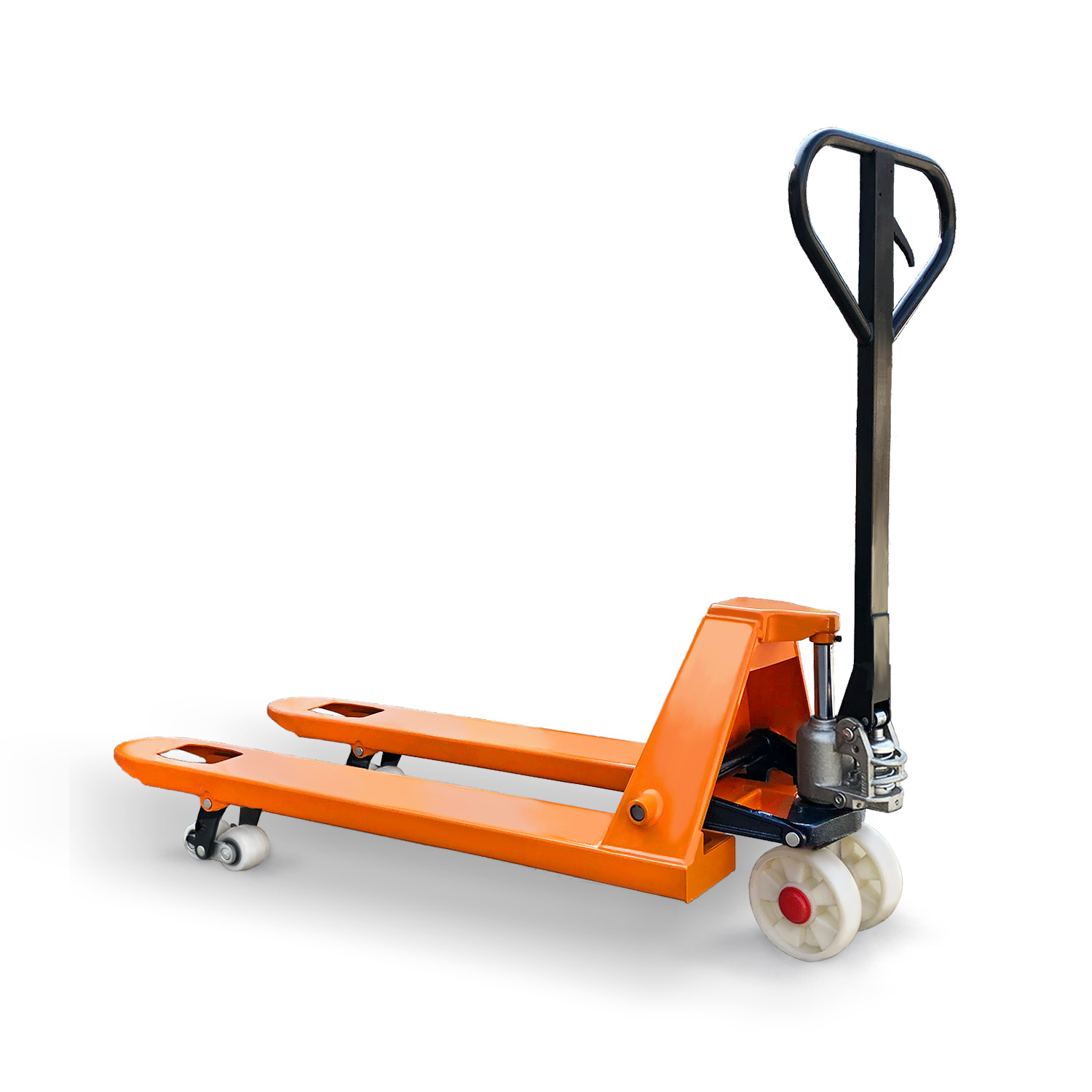
Workflow Optimization with Manual Pallet Movers
Eliminating Movement Bottlenecks in Non-Mechanized Zones
Warehouse settings often face challenges when forklifts can't get around due to narrow aisles, storage spaces with low ceilings, or areas governed by strict safety rules. That's where manual pallet movers come in handy for solving those pesky workflow problems. Workers gain independence when transporting loads because they don't have to wait in line for machines anymore, which cuts down on wasted time sitting around. Traditional equipment just struggles with tight turns sometimes. Pallet movers keep things moving smoothly though, taking products straight from where they're staged right over to the shipping docks. This prevents those frustrating traffic jams we all see happening, which usually waste anywhere between 15 to 30 extra minutes per pallet in busy spots. Warehouses that strategically place these tools tend to see better results too. Some report throughput improvements ranging from about 25% up to even 40% in areas that used to be bottlenecks before, simply because transfers happen faster and resources are allocated more efficiently throughout the day.
Accelerating Linear Picking and Cross-Docking Through Human-Centric Transport
Manual pallet movers really boost efficiency when it comes to picking items in warehouses because they let workers move straight through the aisles without stopping. Warehouse staff can grab products one after another along their route instead of backtracking or taking unnecessary turns, which saves precious seconds on every item collected. These small time savings add up big time in busy warehouses where operations run nonstop day after day. When dealing with cross docking situations, these manual movers eliminate those frustrating waiting periods at staging areas by simply transporting pallets right from where they arrive to where they need to go next. Some studies indicate transfer speeds can be nearly twice as fast compared to traditional machinery setups, something absolutely critical for things like fresh produce or other perishables that need quick processing. What makes these devices stand out is their ability to adapt on the fly during tasks. Unlike fixed automation systems that follow strict paths, operators can change direction or reroute as needed based on what's happening around them. This flexibility means fewer man hours spent on each pallet and better chances of getting urgent orders shipped out the same day they come in.
Labor Efficiency and Ergonomic Safety Improvements
Reducing Repetitive Strain Injuries in Manual Pallet Handling
Pallet movers that are operated manually can really cut down on the chances of getting repetitive strain injuries because they take away the need for workers to push and pull with so much effort. Old style hand trucks often need someone to put in around 70 pounds of force at first, which puts their shoulders and backs at risk for injuries. The newer models have those smooth rolling casters and distribute weight better throughout the device, making the job much easier on the body. Workers stay standing straight instead of having to bend over or twist themselves into awkward positions while moving things around warehouses. And according to research published in the Journal of Occupational and Environmental Medicine, when companies invest in equipment like this, they tend to see about 25 percent fewer cases of work related injuries among their staff members.
Biomechanical Benefits: Force Reduction and Posture Support
These tools optimize biomechanical efficiency through three design principles:
- Vertical handle positioning, which maintains neutral spine alignment
- Weight-transfer mechanisms, channeling loads through the equipment—not worker joints
- Palm-grip controls, distributing pressure evenly across hands
This support reduces compressive forces on lumbar vertebrae by ~40% versus conventional handling. Workers experience less fatigue during extended shifts, enabling 15–20% more pallet moves per hour without increased exertion—demonstrating how ergonomic engineering transforms manual handling from a physical burden into a strategic efficiency advantage.
Cost-Effective, Low-Maintenance Operational Advantages
Lower Total Cost of Ownership vs. Electric Alternatives in Low-Throughput Areas
For businesses handling smaller volumes, manual pallet movers offer real money savings when compared to electric options that just aren't necessary. The initial cost is about 70% less than what it would take for powered models, plus there's absolutely no need to install any kind of charging system anywhere. That means companies save big on their startup costs right from day one. Maintenance expenses also go down around 30% annually because these simple tools don't have all those complicated parts like electronic components, hydraulic systems, or battery packs that eventually wear out and need replacing. Logistics experts have looked into this stuff too, and they generally agree that going manual makes financial sense for certain operations.
Zero Energy Consumption and Minimal Maintenance Requirements
Operating entirely on human power, manual pallet movers eliminate electricity costs tied to frequent electric pallet jack usage. Their mechanical simplicity delivers three key benefits:
- No energy bills: Saves $2,400+ annually per unit, according to the Material Handling Institute
- Minimal servicing: Only requires wheel lubrication and occasional bolt checks
- Downtime prevention: Avoids 4+ hours of lost productivity per electric pallet jack repair cycle
Operators need only basic mechanical aptitude for upkeep, freeing technical staff for higher-value tasks. The absence of battery disposal concerns also reduces environmental compliance overhead.
Maneuverability and Space-Saving Versatility in Real-World Warehouses
Navigating Tight Aisles and Dynamic Layouts Where Forklifts Can't Operate
Manual pallet movers work wonders in tight spots that traditional forklifts just cant handle. These little machines have been designed to fit through those super narrow aisles we see all over today's warehouses, sometimes as narrow as 1.8 meters which is pretty standard in places packed with inventory. The real magic happens when things get busy in fulfillment centers during holiday seasons or when product lines change throughout the year. Warehouse managers often need to rearrange sections on short notice, and that's where manual movers shine compared to automated systems that take forever to adjust. When areas grow or shift around, these tools let workers move stuff right away without waiting for expensive machinery to catch up. Plus, they turn on a dime so there's no risk of knocking into shelves, and they dont need much space between rows either. Think about it this way: every extra aisle left empty because equipment needs room to operate costs money. Some companies report losing tens of thousands annually from wasted floor space alone. That's why so many warehouses stick with manual options despite what looks good on paper for automation solutions.
FAQs
What are manual pallet movers?
Manual pallet movers are hand-operated tools used to transport goods efficiently within a warehouse, especially in areas where forklifts cannot reach.
Why are manual pallet movers preferred in some warehouses?
Manual pallet movers offer flexibility, lower initial and maintenance costs, reduce energy consumption, and improve safety and ergonomics for workers.
How do manual pallet movers improve workflow efficiency?
They reduce waiting times in non-mechanized zones, enhance the pace of picking and cross-docking operations, and mitigate movement bottlenecks.
Are manual pallet movers safe for workers?
Yes, they reduce the risk of repetitive strain injuries with ergonomic designs and help maintain better posture during transport tasks.
Can manual pallet movers navigate tight spaces?
Absolutely, their compact design allows them to fit through narrow aisles and work seamlessly in dynamic warehouse layouts.