
 EN
EN
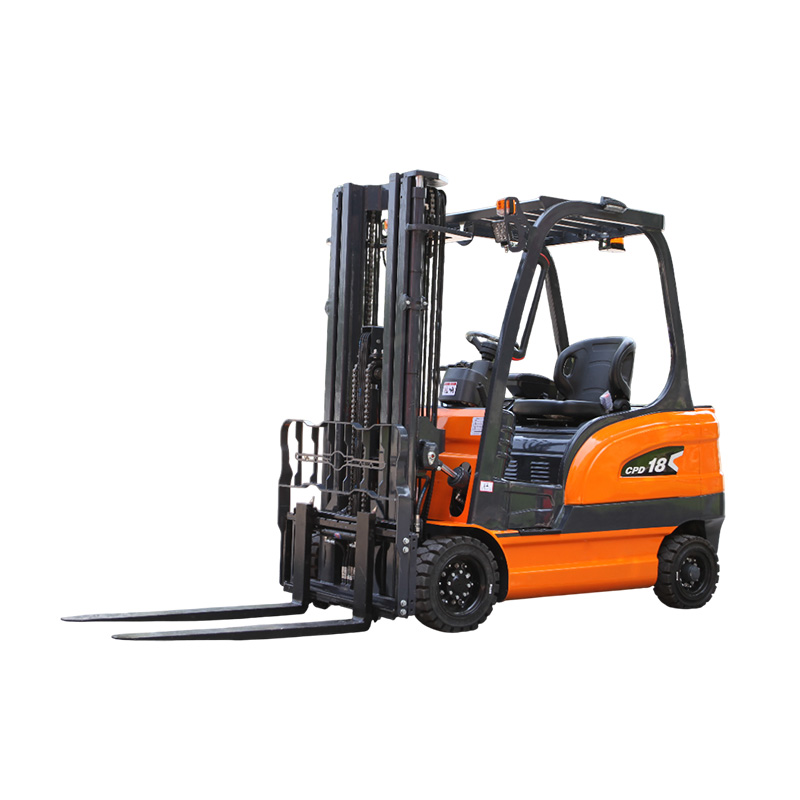
How Hydraulic Platform Lifts Work: Principles and Core Components
Understanding Hydraulic Lifts and Pascal’s Law
The way hydraulic platform lifts work basically comes down to something called Pascal's Principle. What this means in simple terms is that when pressure gets applied to a liquid inside a closed system, it pushes back just as hard everywhere else too. So imagine pushing down on a small cylinder filled with oil. That pressure then moves along through the oil until it reaches a bigger cylinder somewhere else. And because this second cylinder has more surface area, the same amount of pressure creates way more lifting power. That's why these kinds of lifts can hoist really heavy stuff like building supplies or even people working at heights, all while not needing massive amounts of energy to do so. They've become pretty standard equipment across many industries precisely because they get so much done with relatively little effort.
Key Components: Pump, Reservoir, Cylinders, and Control Valves
Four critical components ensure seamless operation:
- Hydraulic Pump: Draws fluid from the reservoir and pressurizes it to generate lifting force.
- Fluid Reservoir: Stores oil or synthetic hydraulic fluid, serving as the system’s supply source.
- Steel Cylinders: Convert fluid pressure into linear motion, extending or retracting to raise and lower platforms.
- Control Valves: Regulate fluid flow direction and speed, enabling precise height adjustments and smooth operation.
Engineering Stability and Force Dynamics in Lift Systems
Getting stable performance really comes down to how forces get distributed across the system. The cylinders need to be placed just right so weight transfers evenly between points, which helps keep platforms from swaying around during operation. Many newer models actually incorporate pressure relief valves as safety features. These valves kick in when there's too much stress on the system, helping avoid damage while keeping things moving smoothly. Closed loop fluid circuits have become pretty standard nowadays because they cut down on wear and tear compared to older pulley systems. Some manufacturers claim their latest designs hit around 90% efficiency when transferring loads, though actual results vary depending on maintenance practices. When all these elements work together properly, hydraulic lifts can manage weights approaching 10,000 pounds safely. That makes them indispensable equipment for jobsites where heavy materials need lifting regularly.
Types of Hydraulic Platform Lifts: Scissor, Portable, and Vertical Mast Models
Scissor Lifts: Design, Mobility, and Load Capacity
Scissor lifts work by using those interlocking steel arms that fold up like giant scissors when lifting vertically. They're pretty stable stuff, which makes them great for jobs around construction sites and warehouses where workers need to reach high places safely. These machines can handle weights up to around 5,000 pounds according to what I read somewhere recently in Construction Equipment Guide last year. Platform sizes vary quite a bit too—from smaller ones measuring about 4 feet by 6 feet suitable for tight spaces, right up to larger platforms at 8 feet by 20 feet perfect when multiple people need access together. For indoor workspaces, electric scissor lifts tend to be the go-to choice since they don't emit any fumes or gases. Outdoors though, especially on rough terrain, the hydraulic versions really shine because they just keep going no matter how bumpy the ground gets.
Portable Hydraulic Lifts for Confined Spaces
These portable lifts tip the scales at around 800 pounds or less, which means they can actually squeeze through regular doorways without any trouble. They work great even in tight spots where there's only about 36 inches of clearance. What makes them so handy? Well, their frames collapse down when not needed, and most models let workers adjust height from six feet all the way up to thirty-two feet tall. That flexibility is why folks in HVAC repair shops love them, plus they're perfect for those cluttered retail storage areas behind counters or backroom equipment fixes. The numbers tell quite a story too OSHA reports show workplaces that switched from ladders to these lift systems saw a drop in accidents inside confined spaces by almost half 42 percent reduction according to the Bureau of Labor Statistics from last year.
Vertical Mast and Boom-Assisted Lifts: When to Use Each
Vertical mast lifts can reach over 100 feet straight up, making them great for cleaning high rise buildings or replacing windows at height. For those tricky spots, articulating boom lifts come with full 360 degree rotation and can stretch out horizontally about 70 feet, which really helps when working around things like refinery pipe structures. The numbers speak for themselves too. One refinery project back in 2023 saw a 30 percent cut in maintenance time simply by switching from traditional scaffolding to these boom lifts according to Industrial Maintenance Journal. That kind of efficiency makes all the difference on site.
Case Study: Selecting the Right Lift for High-Rise vs. Industrial Projects
When they retrofitted a 40 story office building, workers relied on vertical mast lifts to install glass panels all the way up at 120 feet high. The job wrapped up 25 percent quicker than anyone expected. Meanwhile across town, an auto factory switched to portable lifts during their assembly line overhaul. Workers reported fewer back problems after this change, with injury rates dropping around 19% according to last year's Occupational Safety Quarterly report. Looking at these cases shows why picking the right kind of hydraulic lift matters so much for workplaces. Getting safety and efficiency right isn't just good practice it makes business sense too when companies want to keep operations running smoothly without breaking budgets.
Load Capacity, Versatility, and Application in Real-World Construction
Adjustable Heights and Platform Sizes for Diverse Job Sites
Hydraulic platform lifts adapt to varied construction demands with adjustable working heights (6–50 feet) and modular platforms (4’x6’ to 10’x30’). This flexibility allows precise positioning for electrical conduit installation or racking repairs. Narrow 800 lb-capacity models navigate tight indoor spaces, while larger platforms support bulky materials in open environments.
Typical Load Ratings: 1,000–5,000 lbs Across Commercial Models
Commercial hydraulic lifts are engineered to match project requirements:
- Light-Duty (1,000–2,000 lbs): Suitable for tool transport and 2–3 workers in residential retrofitting
- Mid-Range (2,500–3,500 lbs): Handles HVAC units or steel beams in commercial renovations
- Heavy-Duty (4,000–5,000 lbs): Supports masonry supplies or industrial machinery during factory upgrades
Exterior Scaffolding and Facade Maintenance Applications
Hydraulic lifts are increasingly replacing traditional scaffolding for exterior work, offering 360° access for window replacements or stonework repairs. A 2024 construction safety study found these lifts reduce fall risks by 73% compared to ladders. Their weather-resistant design maintains stability even when lifting 300 lb granite panels during high-rise cladding installations.
Interior Fit-Outs, Ceiling Installations, and High-Access Repairs
Indoors, hydraulic platform lifts excel in precision applications such as surgical lighting retrofits in hospitals or acoustical panel installations in auditoriums. A 12’ lift with a 1,500 lb capacity can position drywall sheets flush against ceilings while supporting simultaneous tool operation, reducing interior finish timelines by 40%.
Safety, Efficiency, and Labor Benefits of Hydraulic Platform Lifts
Controlled Movement for Enhanced Worker Safety
Hydraulic platform lifts ensure smooth, stable vertical movement through uniform pressure distribution governed by Pascal’s Law. Non-slip surfaces and stable bases reduce fall risks by 63% compared to manual scaffolding setups (Occupational Safety Review 2023). Integrated emergency descent systems provide fail-safe operation during power outages, enhancing worker protection at height.
Boosting Productivity and Reducing Manual Handling Risks
By eliminating manual material hoisting, these lifts allow crews to focus on high-value tasks. Projects using hydraulic lifts report 25–40% faster completion due to rapid height adjustments and minimal setup. The mechanized design reduces physical strain, lowering musculoskeletal injury risks by 52% in industrial settings (Industrial Health Metrics 2022).
Balancing Operational Gains with Noise and Fluid Leak Concerns
Despite their advantages, hydraulic lifts present operational considerations:
- Noise levels: Average 85 dB during peak operation, requiring hearing protection indoors
- Fluid management: Annual maintenance reduces leak risks by 90%, per hydraulic system guidelines
Modern solutions—such as biodegradable fluids and sound-dampened pumps—are mitigating these challenges, aligning performance with workplace safety and environmental standards.
Future Innovations: Smart, Sustainable, and Hybrid Hydraulic Lift Technology
Electro-Hydraulic Hybrids and Energy Recovery Systems
The latest hybrid hydraulic platform lifts mix old school hydraulics with electric motors, cutting down on power usage somewhere around 30% when compared to regular models according to some industry folks at LinkedIn back in 2025. What makes these electro-hydraulic systems special is their ability to grab energy while going down through regenerative braking, then stash that captured power away for later use during the next lifting operation. Warehouse managers who deal with constant movement of goods will notice real money savings from this tech. We're talking about potential annual savings hitting roughly $8,200 per machine based on market analysis reports from material handling companies in 2024. That kind of figure adds up fast across multiple units in busy facilities.
AI-Driven Controls and Predictive Maintenance with Smart Sensors
The smart sensor arrays allow for constant tracking of pressure levels, temperature changes, and signs of component wear. What's really impressive is that these sensors can actually warn operators about possible problems well over three days in advance. Some field tests have found that when companies use AI powered predictive maintenance, they end up cutting down unexpected equipment shutdowns by around forty percent. Plus, the system keeps fluid temperatures right where they need to be for maximum performance. The technology also makes adjustments to how fast lifts move and how stable they stay depending on what weight is being handled and where exactly it is located. This kind of adaptive response significantly boosts both workplace safety and overall operational control.
Sustainability Trends: Biodegradable Fluids and Lightweight Materials
More companies are moving to plant based hydraulic fluids now. These eco friendly options break down about two thirds faster than regular oil based ones, according to recent research from the Fluid Sustainability Study in 2024. And they still work just as well for lubrication purposes. When combined with special aluminum alloys used in airplanes that cut down on weight by around 15 to 22 percent, this means less carbon going into the atmosphere while still handling loads up to 5,000 pounds. Some early test models with graphene reinforced seals haven't leaked any fluid at all during testing periods lasting over 2,000 hours of operation. This solves problems related to both protecting the environment and meeting those tricky safety standards set by OSHA regulations.
FAQ
What is the basic principle behind hydraulic platform lifts?
Hydraulic platform lifts operate based on Pascal's Principle, where pressure applied to a closed liquid system is equally distributed, enabling lifting with greater force using larger cylinders.
What are the core components of hydraulic lifts?
The core components include the hydraulic pump, fluid reservoir, steel cylinders, and control valves, all working together to manage lifting operations.
What types of hydraulic lifts are there?
Types include scissor lifts, portable hydraulic lifts, and vertical mast lifts, each suitable for different environments and lifting needs.
How do hydraulic lifts benefit construction and industrial projects?
They offer enhanced safety, efficiency, and versatility, reducing physical strain for workers and increasing project completion speed by up to 40%.
What future innovations are expected in hydraulic lift technology?
Future innovations include electro-hydraulic hybrids, AI-driven controls, and sustainable materials, aiming to improve efficiency while reducing environmental impact.
Table of Contents
- How Hydraulic Platform Lifts Work: Principles and Core Components
- Types of Hydraulic Platform Lifts: Scissor, Portable, and Vertical Mast Models
- Load Capacity, Versatility, and Application in Real-World Construction
- Adjustable Heights and Platform Sizes for Diverse Job Sites
- Typical Load Ratings: 1,000–5,000 lbs Across Commercial Models
- Exterior Scaffolding and Facade Maintenance Applications
- Interior Fit-Outs, Ceiling Installations, and High-Access Repairs
- Safety, Efficiency, and Labor Benefits of Hydraulic Platform Lifts
- Future Innovations: Smart, Sustainable, and Hybrid Hydraulic Lift Technology
- FAQ