
 EN
EN
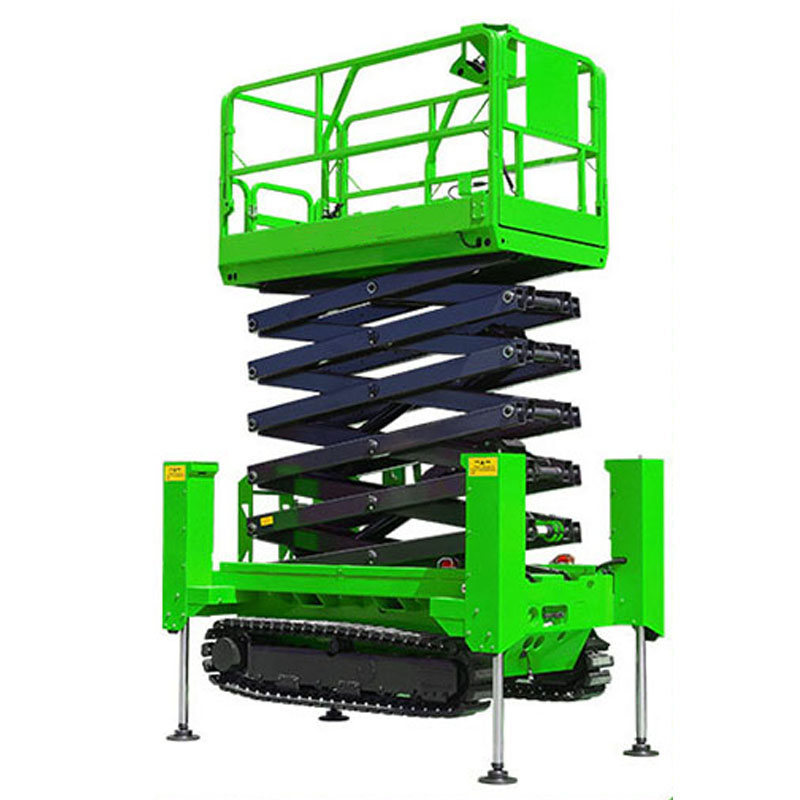
How Hydraulic Scissor Lifts Enhance Industrial Efficiency
Hydraulic scissor lifts have become indispensable tools in modern industrial operations, streamlining workflows by combining mechanical precision with hydraulic power. These systems reduce manual labor costs by 23% in material handling tasks (IMHX 2023) while maintaining strict safety protocols, making them critical for industries prioritizing both productivity and worker protection.
Understanding the Basics of Hydraulic Scissor Lifts
Hydraulic scissor lifts basically work with steel supports that cross each other like an X shape. When the hydraulic cylinders push these supports apart, they create stable platforms that can lift really heavy stuff - sometimes as much as 30 tons worth of materials. What makes them different from older lifting equipment is how safe they are when things get too heavy. The hydraulic system actually has built-in safeguards that stop the machine if it senses too much pressure building up, which prevents accidents before they happen.
How Hydraulic Scissor Lifts Operate: A Breakdown of Motion and Force
The lifting cycle follows three precision stages:
- Power Generation: An electric or combustion-powered pump pressurizes hydraulic fluid (typically oil) to 1,500–3,000 PSI
- Force Transfer: Pressurized fluid enters dual-action cylinders, pushing piston rods upward
- Mechanical Expansion: Cylinder extension forces scissor legs to unfold symmetrically, maintaining platform stability
This closed-loop system enables smooth acceleration and deceleration, achieving positioning accuracy within ±2mm—critical for assembly line applications.
Key Components and Their Functions in Hydraulic Systems
| Component | Primary Function | Performance Impact |
|---|---|---|
| Hydraulic Cylinders | Convert fluid pressure into linear mechanical force | Determines lift speed and maximum load capacity |
| Proportional Valves | Regulate fluid flow direction and rate | Ensures precise height control and motion smoothness |
| Synchronization Rods | Maintain equal pressure across multiple cylinders | Prevents platform tilt and uneven load distribution |
| Emergency Descent System | Safely lowers platform during power failures | Reduces downtime risks by 89% compared to mechanical brakes (LiftSafe 2023) |
These components work in concert to achieve energy efficiencies up to 40% higher than pneumatic alternatives, according to Fluid Power Institute testing data.
Safety, Productivity, and Cost Benefits of Hydraulic Scissor Lifts
Safety and Productivity Benefits of Hydraulic Scissor Lifts
Studies from OSHA in 2022 show that workplaces using hydraulic scissor lifts experience around 40% fewer injuries than those relying on old fashioned ladders or temporary scaffolding setups. These modern lifts come equipped with built in guard rails, sensitive tilt detection technology, plus automatic brakes that really help keep workers steady on the platform and cut down on slip hazards. The focus on safety actually makes things run smoother too. When there are fewer accidents happening, projects don't get held up as much, so teams generally finish their work about 15 to maybe even 20 percent quicker than before. Maintenance staff who have switched over to these hydraulic systems tell us they face roughly 30% less downtime because of problems with faulty equipment during operations.
Work Efficiency Improvement Through Hydraulic Scissor Lifts
Vertical mobility systems cut down on all that wasted time spent moving ladders around or adjusting scaffolding between tasks. With these systems, workers simply lift tools and materials right where they need them within seconds. According to recent studies from McKinsey (2023), this translates into roughly 18 to 22 percent better workflow efficiency across manufacturing floors. The larger platforms offer another advantage too — they let two techs work side by side at height. Imagine installing complex machine parts as a team instead of one person struggling alone with those cumbersome manual lifts. Real world tests show projects get completed about 25% faster when teams can collaborate properly at elevation points.
Cost-Effectiveness Compared to Other Lifting Solutions
When it comes to long term savings, hydraulic scissor lifts actually cost about 30 percent less to maintain throughout their lifespan compared to those electric models we see everywhere now. According to the RIA's latest analysis from 2023, this is mainly because they're built with solid steel frames and straightforward hydraulic mechanisms that just don't need parts replaced as often. Maintenance bills typically run around $1200 a year for these units, while pneumatic lifts can easily set companies back $1800 annually. Training time is another big difference point. Most operators find themselves spending roughly 50 extra hours each year learning how to handle all the complicated bits on other lift types. Hydraulic models? They've got about 40% fewer moving parts than those hybrid versions, so getting certified takes significantly less time. Looking at the bigger picture, businesses that switch to hydraulic scissor lifts tend to see their return on investment jump by nearly 28% over five years when compared against traditional telescopic boom lifts. Makes sense why so many contractors are making the switch these days.
Major Industries Utilizing Hydraulic Scissor Lifts
Hydraulic Scissor Lifts in Construction and Industrial Projects
On most construction sites today, hydraulic scissor lifts are everywhere because they can safely get workers and materials up high where needed for jobs such as putting together steel beams, installing roofs, or running electrical work. According to a survey from 2022, around three out of four big contractors depend heavily on these types of lifts when they need vertical access within about 50 feet. What makes these lifts so useful? Well, they have those foldable platforms plus really solid stabilization systems which is why folks turn to them for tricky jobs like fixing bridges, replacing windows on tall buildings, and maintaining equipment inside industrial plants. The combination of portability and stability just works better than many alternatives in these situations.
Warehousing, Factory, and Logistics Applications
Hydraulic scissor lifts have become game changers for managing inventory on those hard-to-reach warehouse shelves, especially since they can handle loads over 6,000 pounds safely. These lifts actually work better than regular forklifts when it comes to getting things just right where they need to be. Smart warehouses are now pairing these lifts with automated systems that grab pallets, which cuts down on waiting time around 30% versus old school conveyor belts. Manufacturing plants customize the lifts to fit their assembly line needs, making it easier to move big components around. Ports aren't left out either, as special versions built to withstand salt air and rain help speed up container operations even when conditions get rough along the docks.
Maintenance and Assembly Line Use Cases
In aircraft hangars, hydraulic scissor lifts have become essential tools because they offer just the right height adjustments needed for engine inspections. Mechanics notice that these lifts cut down on waiting time significantly compared to traditional scaffolding setups, sometimes saving around 22% of total project hours. The automotive sector is seeing similar benefits too. Factories working on electric vehicle batteries report about a 15% increase in output when they implement synchronized lifting systems during assembly processes. For maintenance crews dealing with harsh environments like steel mill furnaces, the sealed hydraulic mechanisms and special anti-corrosion treatments make all the difference. These features help keep workers safe while performing repairs in extremely hot areas filled with flying debris, since stable platforms prevent accidents caused by unstable footing.
Design Flexibility and Customization for Diverse Industrial Needs
Versatile Design Enabling Broad Industrial Application
The hydraulic scissor lift has become a workhorse across many different industries, including automotive assembly lines and even high tech aerospace manufacturing shops. These lifts come with adjustable platforms that can range anywhere between 2 meters all the way up to 15 meters long, plus they can carry loads from about 500 kilograms right up to as much as 10,000 kilograms. That means they're good for both delicate tasks like installing small precision parts and heavy duty jobs involving transporting large amounts of materials. Food processors often go for models with stainless steel decks because regular metal would just rust away over time. Meanwhile warehouse managers love the ones that fold down compact when not in use since space is at such a premium there. Because these lifts can do so many things, companies don't have to invest in separate equipment for each specific task, which saves money and makes day to day operations run smoother overall.
Customization Options for Specific Industry Requirements
Many manufacturers now provide adjustable parts that fit specific needs on the shop floor. Modern control setups often include those fancy IoT sensors which track loads in real time at busy distribution centers, or set safety thresholds automatically at construction zones where conditions change constantly. Take modular hydraulic valves for instance they let workers tweak lifting speeds fast, which really helps speed things along in plants that need maximum throughput. The numbers back this up too. A recent study from the 2023 Industrial Automation Report showed facilities that switched to custom designed lifting equipment cut down their downtime by almost a third compared to what they had before. Makes sense when thinking about how much wasted time adds up over months of operation.
Tailored Solutions for Extreme or Specialized Environments
Working in tough places such as offshore oil platforms or deep mine shafts demands equipment built to last. The heavy lifting gear there typically has galvanized steel parts that stand up against saltwater damage, plus special hydraulic fluids rated for extreme cold down to minus 40 degrees Celsius. When it comes to pharmaceutical manufacturing areas, engineers design systems with vibration dampening features so maintenance work doesn't compromise sterility. These changes help meet those strict ISO 14644-1 requirements for clean air quality and also satisfy OSHA regulations. For companies running critical operations where every minute counts, this kind of engineering makes all the difference between smooth functioning and costly shutdowns.
FAQ
What are the main advantages of hydraulic scissor lifts?
Hydraulic scissor lifts offer several advantages including improved safety, cost-effectiveness, and enhanced productivity. They reduce manual labor costs, minimize workplace injuries, and increase work efficiency by providing stable platforms for lifting heavy materials.
How do hydraulic scissor lifts work?
Hydraulic scissor lifts operate using hydraulic cylinders to lift platforms by expanding crossed steel supports. When hydraulic fluid is pressurized, it moves piston rods upward, causing the scissor legs to unfold and lift the platform.
What industries benefit most from using hydraulic scissor lifts?
Industries such as construction, warehousing, manufacturing, and logistics heavily benefit from using hydraulic scissor lifts due to their vertical mobility, load capacity, and efficient design that enhances operational productivity.
Are hydraulic scissor lifts customizable?
Yes, hydraulic scissor lifts can be customized with adjustable platforms and parts to meet specific industrial requirements, allowing businesses to tailor the lift's capability to their unique operational needs.