
 EN
EN
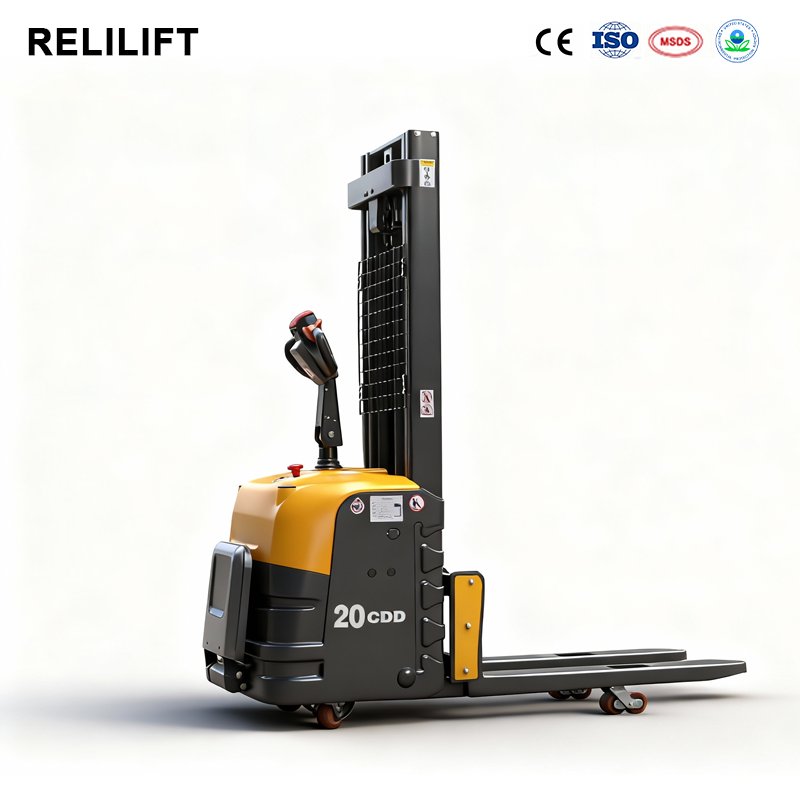
How a Pallet Stacker Enhances Operational Efficiency
Lifting, Tilting, and Precision Placement: Core Functional Advantages
Pallet stackers really change how materials get handled around warehouses thanks to their three main features. The hydraulic lifting system can lift stuff as high as 3 meters without breaking a sweat, which means no more back strain from lifting heavy boxes manually. Plus it makes better use of vertical space in storage areas. There's also this built-in tilting feature that works at angles between 5 and 10 degrees. This helps keep those wobbly loads stable when moving them around, so things don't fall over as much. What people often overlook is the fork positioning accuracy. These machines place pallets within just a few centimeters of where they need to go in tight racking systems. Warehouse managers report seeing about an 18% drop in product damage since switching from manual handling, according to several studies looking at warehouse operations. When all these parts work together, operators finish stacking jobs roughly three times quicker than before, and the goods stay intact throughout the process. This translates to better worker productivity rates and smarter use of valuable floor space in distribution centers.
Throughput Gains: 23% Average Increase in Mid-Size Distribution Centers
Mid-size distribution centers report a 23% average throughput increase after adopting pallet stackers, driven primarily by faster cycle times and fewer retrieval errors. Key contributors include:
- Zero-turn radius mobility, which cuts horizontal transit time by 40% in congested aisles
- Integrated weighing systems, automating inventory logging and removing manual data entry delays
- Standardized stacking protocols, ensuring consistent pallet heights and accelerating dock operations
Industry benchmarks show operators handle 28–32 pallets hourly with stackers—versus 22 manually. In a 15,000 sq ft facility processing 500+ pallets daily, this translates to 11.5 recovered labor hours per day and approximately $47,000 in annual savings at average wage rates. Reduced rehandling and misplacement errors further reinforce these gains.
Pallet Stacker Safety Benefits and Ergonomic Impact
68% Reduction in Manual Lifting Injuries (OSHA Data Synthesis)
According to OSHA reports, companies have seen around 68 percent fewer injuries related to lifting when they switch from manual handling to pallet stackers. Most of this improvement comes from reducing back strain and overexertion problems that plague workers in busy warehouses. The machines are designed with worker comfort in mind. They help maintain better posture while lifting, since the height adjustments keep the spine aligned naturally. The way weight is distributed also puts less pressure on muscles and joints. Plus, the controls allow for smoother movements without sudden jerks that can cause accidents. Safety isn't an afterthought either. These machines come equipped with things like automatic brakes, sensors that detect instability, and mechanisms that prevent tipping over during operation. All these features combine to create a safer work environment. Fewer people miss work due to injury, insurance costs go down, and employees generally last longer through their shifts without feeling as exhausted.
Cost Optimization Through Labor, Damage, and Downtime Reduction
ROI Achieved in Under 14 Months for Electric Pallet Stackers
Electric pallet stackers pay for themselves pretty quickly when looking at all the costs they cut down on labor expenses, damaged goods, and those frustrating unexpected breakdowns that stop work cold. When warehouses automate moving heavy loads around, they actually need fewer workers doing this backbreaking job - somewhere around 23% fewer people according to industry reports. That frees up employees to handle tasks where their skills matter more rather than just pushing carts around all day long. Plus there's less damage happening because these machines place items exactly where they should go. Some warehouses saw damage drop by about 15% after switching over based on several different locations they tested at. And electric versions have another advantage too. They work better with modern maintenance systems that predict problems before they happen, plus they run on electricity so no waiting around for refueling breaks anymore which really helps keep operations running smoothly without interruptions.
Most companies see their investment paid back within about 14 months when they implement these efficiency improvements. The numbers speak for themselves too: distribution centers across the country are saving around $18k each year per unit thanks to fewer man hours spent on tasks and less money lost from damaged goods. Going electric takes things even further. These models cut energy bills by roughly 30% compared to traditional gas powered equipment while needing far less regular upkeep. That's why so many warehouses now consider electric options essential for running operations that stay within budget constraints without sacrificing performance.
Space-Smart Storage: Vertical Utilization with a Pallet Stacker
35% More SKUs per Square Foot Using Straddle and Ride-On Models
Pallet stackers that straddle or are ridden on offer warehouses a great way to tap into all that unused vertical space above them. These machines let operators safely stack materials as high as 20 feet, transforming empty headroom into actual storage space. Warehouses using this vertical approach typically see around 35% more stock keeping units (SKUs) packed into each square foot compared to what's possible with just storing everything at ground level. What makes these stackers different from regular forklifts is they don't need wide aisles for stability. This means racks can be placed closer together, maximizing every inch of available space in three dimensions. Many facilities find they can store much more without breaking the bank on expansion projects simply by going up instead of out. The ride-on versions especially boost worker productivity since operators stay on their feet during operations, making it easier to switch between different tasks throughout the day. Combine these stackers with narrow aisle racking systems and warehouses maintain complete access to all stored items while dramatically reducing how much floor space they consume. Ceiling height stops being just an architectural feature and starts generating real returns for the business.
FAQ
What are pallet stackers?
Pallet stackers are industrial machines designed to lift, tilt, and place pallets with precision in warehouse settings, enhancing material handling efficiency.
How do pallet stackers increase throughput?
By incorporating zero-turn radius mobility, integrated weighing systems, and standardized stacking protocols, pallet stackers speed up cycle times and reduce retrieval errors in distribution centers.
Are pallet stackers safer for workers?
Yes, they reduce manual lifting injuries by 68% according to OSHA, promoting ergonomic postures and offering safety features like automatic brakes and instability sensors.
How quickly can companies see ROI on pallet stackers?
Companies usually achieve return on investment within 14 months due to reduced labor costs, minimized damage, and decreased downtime.
Can pallet stackers optimize warehouse storage?
Absolutely, straddle and ride-on models allow for vertical storage, increasing SKUs per square foot by 35% while maximizing use of available space.