
 EN
EN
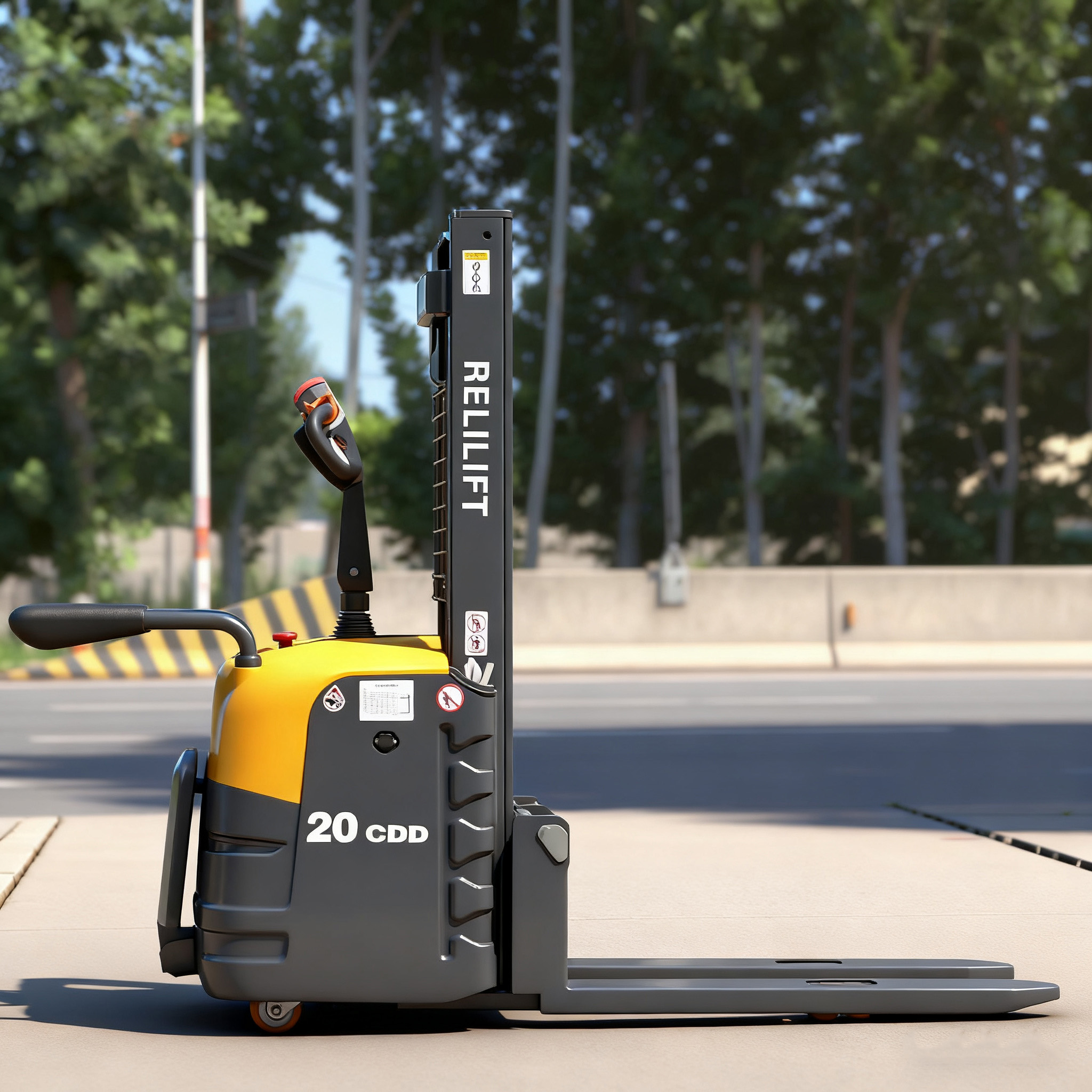
Core Safety Engineering of the Electric Stacker
Speed Regulation and Automatic Braking Systems Prevent Runaway Incidents
Electric stackers use microprocessor-controlled speed governors to cap travel velocity during loaded operations, preventing hazardous acceleration. These systems automatically engage hydraulic disc brakes when operators release controls or exceed safe thresholds. This dual-layer protection reduces collision risks by 62% in warehouse incidents involving wheeled equipment, per the Industrial Safety Journal (2023).
Stability Controls and Low-Center-of-Gravity Design Mitigate Tip-Over Hazards
The lead acid batteries sit right underneath where the operator stands, giving the machine a really low center of gravity that helps prevent tipping when lifting heavy loads sideways. If things start tilting too much, around 5 degrees actually, built-in tilt sensors will shut down the operation automatically. The wheels are spaced pretty far apart too, which makes all the difference when dealing with uneven weight distribution or those awkwardly placed pallets we all know happen sometimes. Putting all this together cuts down on accidents where machines tip over by about 92 percent during normal stacking operations according to field tests.
Emergency Stops, Horn Buttons, and Obstacle Detection as Critical Human-Machine Safeguards
The system features three main safety touchpoints: palm-operated emergency stops, thumb-activated horns, and those fancy ultrasonic sensors that detect nearby objects. When something gets in the way, it gives off warning sounds all around the machine so workers can hear even when they're not directly in front of it. The system also slows down automatically whenever approaching areas where visibility is limited. According to warehouse safety reports from last year, facilities implementing these combined control measures saw nearly an 80% drop in close calls among busy operations spaces.
Electric Stacker Enables Safe Operation in Confined and High-Density Environments
Compact Footprint and Zero-Turn Radius Preserve Load Integrity in Narrow Aisles
Electric stackers are built specifically for navigating those narrow warehouse corridors where space is at a premium. With their small size and no sticking out parts, these machines avoid getting caught on racking structures while keeping pallets properly aligned throughout operations. The ability to pivot completely in place makes all the difference when working around tight corners, which matters a lot when handling delicate goods or items that tend to tip over easily. Warehouse workers maintain better control over direction changes, something that actually reduces accidents by about 31 percent according to recent industry reports from efficiency experts. All this space-saving capability means warehouses can pack more inventory into the same area without sacrificing worker safety standards that have become so important in modern logistics environments.
Maximizing Electric Stacker Safety Through Human Factors and Discipline
Certification, Refresher Training, and Procedural Compliance Reduce Human Error by 41%
When operators go through proper certification that actually tests them on real-world scenarios like handling loads and responding to emergencies, and when they get regular refreshers on top of that, it cuts down on mistakes made by people by about 41% according to last year's Industry Safety Report. Making sure workers follow basic safety rules matters too. Things like checking if there's a clear path before moving equipment helps build good habits that stop accidents from happening. People forget stuff over time, so keeping those lessons fresh in their minds through ongoing training really makes a difference in the long run.
Pre-Use Inspections and Scheduled Maintenance Prevent 68% of Preventable Failures
Looking at forks, hydraulic lines, and battery connections before operation catches around 68% of problems before they turn into accidents, as found in the 2023 Operational Reliability Study. Regular maintenance matters too. Replacing tires after about 600 hours of work and greasing those mast channels once a month tackles issues we just can't see during our quick morning checks. This helps avoid unexpected breakdowns when things get busy stacking loads high. Keeping records of all these inspections isn't just paperwork. It creates a paper trail that holds people responsible and actually builds valuable patterns showing where failures tend to happen most often over time.
FAQ Section
What safety features do electric stackers offer to prevent accidents?
Electric stackers incorporate speed governors, hydraulic disc brakes, stability controls, emergency stops, horn buttons, and obstacle detection sensors to enhance safety during operations.
How do speed regulation and automatic braking systems help prevent incidents?
Speed regulation caps travel velocity during operations, while automatic braking systems engage hydraulic brakes when controls are released or safe thresholds are exceeded, thus preventing runaway incidents.
What role do stability controls play in preventing tip-over hazards?
Stability controls, along with a low-center-of-gravity design, help prevent tipping by automatically shutting down operations if excessive tilting is detected, thereby mitigating tip-over hazards.
How does certification and training contribute to safety in warehouse operations?
Certification and refresher training ensure operators are skilled in handling loads and responding to emergencies, reducing human errors significantly and promoting procedural compliance.
Why are pre-use inspections and scheduled maintenance important?
Pre-use inspections and regular maintenance help identify and rectify issues before they turn into accidents, preventing 68% of preventable failures and ensuring operational reliability.
Table of Contents
- Core Safety Engineering of the Electric Stacker
- Electric Stacker Enables Safe Operation in Confined and High-Density Environments
- Maximizing Electric Stacker Safety Through Human Factors and Discipline
-
FAQ Section
- What safety features do electric stackers offer to prevent accidents?
- How do speed regulation and automatic braking systems help prevent incidents?
- What role do stability controls play in preventing tip-over hazards?
- How does certification and training contribute to safety in warehouse operations?
- Why are pre-use inspections and scheduled maintenance important?