
 EN
EN
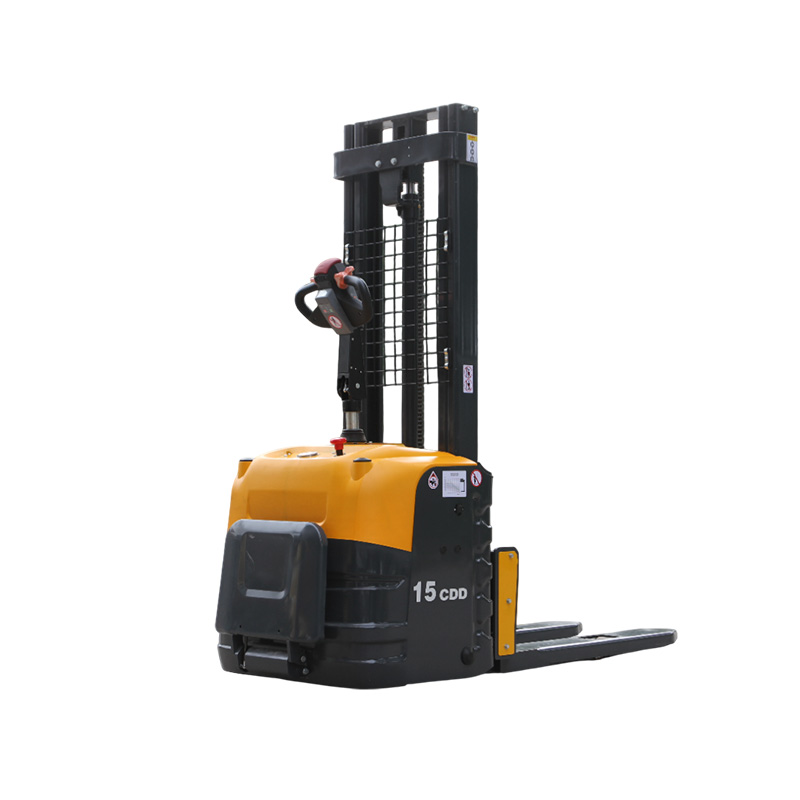
Understanding Your Operational Needs and Application Requirements
Assessing load capacity, operating environment, and usage frequency for optimal material handling equipment selection
Choosing the right electric forklift really comes down to three main things first off. The weight it needs to handle matters most, usually somewhere between 3 to 5 tons for typical warehouse work. Then there's what kind of environment it'll be working in. Does it need to handle extreme temperatures or dusty conditions? That makes a big difference too. And finally, how long will it run each day? Warehouses that only operate for around six hours don't need the same battery configuration as places running nonstop all week long according to recent industry standards on power usage. For tight spaces where aisle width drops below ten feet, look for models with smaller turning circles. Outdoors means finding ones with proper water protection ratings, generally needing at least IP54 certification to keep moisture out.
Matching electric forklifts to specific industry needs: warehousing, manufacturing, and logistics
When it comes to warehousing, getting those lifts up high matters a lot. Most warehouses need equipment that can handle storage at least 35 feet off the ground, plus they want machines that can turn on a dime in tight spaces. Manufacturing settings tend to go for tougher builds since they deal with heavier stuff all day long. These industrial areas typically require around 15 to 25 percent more reinforcement in their chassis to manage all that metal weight without breaking down. Logistics centers run hot on fast charging solutions these days. Lithium batteries that hit 80 percent charge within an hour are becoming must-haves for places where hundreds of pallets move through every single day during cross docking operations. And don't forget food processing plants either. They're moving toward corrosion resistant models lately because of new sanitation rules from 2023. Equipment needs to be NSF certified now if it's going anywhere near food products, which makes sense when considering health regulations and customer expectations.
The role of customization in choosing a material handling solutions provider
Leading companies in the industry now provide around 120 different configuration choices for their equipment. These include things like adjusting mast heights up or down by about two feet, plus special attachments designed specifically for moving barrels around. A recent survey from the Material Handling Institute back in 2023 found something interesting too. They reported that when businesses went with custom electric forklifts instead of regular ones, they saw improvements in workflow efficiency somewhere between 18% and 22%. The battery system flexibility really matters in certain situations. Most folks working in cold storage facilities (we're talking about temperatures below freezing here) opt for battery compartments with heating systems built in. About nine out of ten operators actually do this to keep their machines running properly even when it gets really chilly inside those warehouses.
Evaluating Manufacturer Reliability, Quality Control, and Compliance
Key indicators of a reputable electric forklift manufacturer: certifications, audits, and track record
Most trustworthy manufacturers have ISO 9001 certification covering their quality control systems and follow all OSHA safety regulations. Looking at independent audit results from the Material Handling Institute's 2024 findings, facilities maintaining defect rates under 2% really stand out when it comes to consistent production quality. The numbers tell another story too: businesses that've been making industrial gear for over ten years tend to see around 28% fewer warranty issues compared to companies that are relatively new to the market. Experience matters in this industry.
On-site inspections and third-party verification for production transparency
Proactive buyers conduct unannounced facility visits to evaluate robotic welding precision and battery assembly tolerances. The 2024 Industrial Automation Report found that manufacturers allowing third-party production monitoring reduced component failure rates by 19% compared to industry averages.
Compliance with international safety and quality regulations (e.g., ISO, IEC, OSHA)
Compliance with IEC 60364-7 electrical standards prevents 63% of power system failures in warehouse settings (Electrical Safety Foundation 2023). Non-compliant lithium-ion batteries degrade up to 40% faster, increasing the risk of OSHA-recordable incidents.
Impact of non-compliance on forklift performance and safety: real-world incidents
A 2022 fire at a logistics facility, traced to uncertified charger components, caused $740,000 in damages (Ponemon Institute 2023). Such cases have led 78% of procurement teams to require full supply chain compliance documentation before onboarding new suppliers.
Battery Technology and Electrical System Performance
Lithium-ion Battery Technology in Forklifts: Advantages Over Lead-Acid Systems
Most top electric forklift makers have switched to lithium-ion (Li-ion) batteries because they pack 40% more energy into roughly 30% less space than old lead-acid systems. These batteries keep about 95% of their power even after going through 2000 charge cycles. And best of all, no more messing around with things like adding water or doing those complicated equalization charges that used to eat up so much time. The real world benefit? Warehouses can run non-stop without worrying about battery failures, which is why so many facilities have made the switch recently according to industry reports on material handling equipment.
Charging Infrastructure, Cycle Life, and Thermal Management Considerations
Deploying Li-ion systems requires adaptive charging infrastructure to prevent overheating. Modern smart chargers achieve 80% charge in under one hour while keeping battery temperatures below 35°C. Effective thermal management extends cycle life by up to three times compared to passive cooling systems, according to research on automotive-grade battery performance.
Battery Performance and Electrical System Reliability as Core Differentiators Among Manufacturers
Top manufacturers differentiate through proprietary battery management systems (BMS) that monitor over 15 parameters, including state of charge and cell balancing. Third-party testing reveals a 22% variance in voltage stability between brands during peak loads—making BMS sophistication a critical factor in high-amp applications.
Case Study: Performance Optimization in High-Throughput Facilities Using Advanced Battery Systems
In a 2024 trial at a major logistics center, Li-ion-powered forklifts achieved 98.4% uptime, significantly outperforming lead-acid models at 76%. The integrated BMS provided predictive maintenance alerts, cutting unplanned outages by 41% and supporting over 400 pallet movements per unit daily.
Sustainability and Environmental Responsibility in Manufacturing
Sustainability in Forklift Manufacturing: Energy-Efficient Production and End-of-Life Recycling
Leading manufacturers utilize closed-loop production systems, achieving up to 92% material reuse. Regenerative braking recycling and lithium-ion battery refurbishment programs reduce industrial waste by 40% compared to conventional methods (Industrial Sustainability Report 2024). Solar-powered assembly plants and AI-driven energy optimization help top producers meet carbon neutrality goals.
Environmental Certifications and Carbon Footprint Reduction Initiatives by Leading Manufacturers
Top-tier providers comply with ISO 14001 standards and align with the EU’s 2030 Climate Target Plan, reducing Scope 3 emissions through collaborative supplier networks. As shown in the 2024 Circular Economy Index, certified manufacturers extend equipment lifespans by 30% using modular designs and bio-based hydraulic fluids.
Trend: Rising Demand for Green-Certified Material Handling Equipment Selection
Sustainability certifications are now required in 62% of procurement RFPs, driven by tightening EPA regulations and ESG investor expectations. The 2024 Environmental Purchasing Index reports a 15:1 ROI for companies using electric forklifts with full lifecycle emissions tracking. Facilities using climate-neutral charging systems also report 18% faster throughput.
Navigating the Competitive Landscape and Supply Chain Challenges
Market Share Analysis and Innovation Trends Among Key Electric Forklift Manufacturers
Looking at the electric forklift market worldwide, we find it's pretty dominated by just a few big players. The top five companies control around 62% of all production capacity according to Future Market Insights data from 2024. What's interesting though are the recent tech advances shaking things up. Some manufacturers have developed these smart energy recovery systems that actually reduce power consumption by somewhere between 18 to 22% when the forklift brakes. And there's also this new modular battery design approach that cuts replacement time down by about 30%. Companies offering these kinds of innovations tend to keep their customers longer too. Those who integrate IoT into their fleet management systems report retaining clients at a rate 37% higher compared to old school suppliers still relying on basic equipment.
Strategies for Mitigating Component Shortages and Logistics Delays
Leading manufacturers implement three-tier contingency strategies: dual-sourcing critical components like motor controllers and lithium cells, regional warehousing of high-demand parts, and blockchain-based logistics tracking that reduces shipment uncertainties by 40%. A 2023 supply chain resilience study showed that facilities maintaining 12–16 weeks of strategic inventory faced 58% fewer production disruptions.
Industry Paradox: High Demand vs. Production Scalability Constraints in Key Forklift Manufacturers
The market for electric forklifts saw a significant jump last quarter with demand increasing 27% compared to the same period in 2023. However, production hasn't kept pace, growing just 9% during the same timeframe. Several factors are holding things back including those long waits for semiconductor grade power modules which typically take around 14 months to get delivered. There's also a real problem finding enough qualified technicians right now, with estimates suggesting we're missing about 22% of what's needed. Plus, getting certifications for these new battery technologies takes 34% longer than it used to. Smart companies are starting to adapt though. Some have switched to hybrid production setups while others are investing in automated welding stations that can crank out roughly 190 extra units each month. Many are also implementing predictive maintenance systems which cut down on equipment downtime by almost half according to recent reports.
FAQ
What factors should I consider when selecting an electric forklift?
When selecting an electric forklift, consider the weight it needs to handle, the operating environment, and usage frequency. Also, think about turning capabilities in tight spaces and water protection ratings for outdoor usage.
Why is lithium-ion battery technology preferred over lead-acid in forklifts?
Lithium-ion batteries are preferred because they provide 40% more energy in less space and maintain 95% power after many charge cycles, eliminating water maintenance and lengthy equalization charges.
How do manufacturers ensure forklift reliability and safety?
Manufacturers ensure reliability and safety by adhering to certifications such as ISO 9001 and OSHA safety regulations. They also employ third-party verification and ensure compliance with international standards to prevent failures.
What are the environmental benefits of modern forklift manufacturing?
Modern forklift manufacturing emphasizes sustainability through energy-efficient production, closed-loop systems, and lithium-ion battery refurbishment, significantly reducing industrial waste.
Table of Contents
- Understanding Your Operational Needs and Application Requirements
-
Evaluating Manufacturer Reliability, Quality Control, and Compliance
- Key indicators of a reputable electric forklift manufacturer: certifications, audits, and track record
- On-site inspections and third-party verification for production transparency
- Compliance with international safety and quality regulations (e.g., ISO, IEC, OSHA)
- Impact of non-compliance on forklift performance and safety: real-world incidents
- Battery Technology and Electrical System Performance
- Sustainability and Environmental Responsibility in Manufacturing
- Navigating the Competitive Landscape and Supply Chain Challenges
- FAQ