
 EN
EN
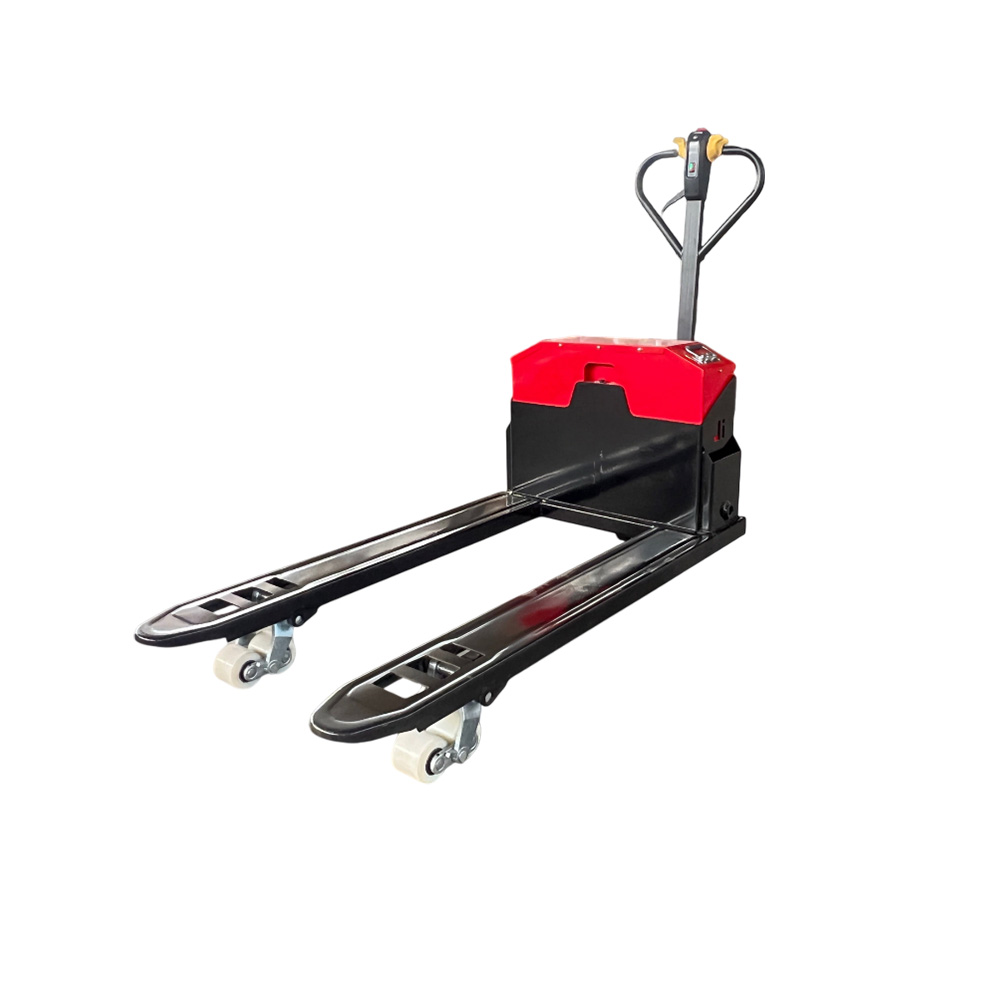
How Motorized Pallet Jacks Improve Warehouse Workflow and Productivity
Principle: How Motorized Pallet Jacks Streamline Material Handling
According to the Material Handling Institute from last year, motorized pallet jacks cut down on manual work around 60% when compared with old fashioned hand trucks. Workers can now handle weights as heavy as 6,000 pounds without breaking a sweat thanks to these electric models. No more pushing and pulling for hours on end. Just plug them in and go. Plus, they're built with comfort in mind so workers don't get those backaches and shoulder pains from lifting all day long. And let's face it, getting goods from one area to another just takes less time overall. The whole process moves faster because there's no waiting for someone to manually pump up the jack before moving anything.
Case Study: Productivity Gains at a Mid-Sized Distribution Center
One regional warehouse outfit rolled out 12 electric pallet jacks during morning and afternoon shifts, cutting down their loading times by around 40% just three months later. A recent look at warehouse operations from 2024 shows that this facility cut back on forklift usage by nearly a third in those tight spaces between shelves, all while moving an extra 280 pallets each day through the building. With fewer people needed for basic material handling, management was able to move eight workers over to more important inventory work like tracking stock levels and organizing seasonal products.
Trend: The Shift Toward Electrified and Automated Material Handling Equipment
The global electric pallet jack market grew 18% YoY in 2023, driven by stricter OSHA ergonomic guidelines and rising energy costs for combustion-powered alternatives. Over 73% of new warehouse designs now incorporate dedicated charging stations and pre-routed pathways for motorized equipment.
Strategy: Integrating Motorized Pallet Jacks into Existing Warehouse Operations
Successful adoption requires phased implementation:
- Conduct workflow analysis to identify high-impact zones
- Retrofit aisle widths to 72"-84" for safe maneuvering
- Schedule staggered battery charging during lunch breaks
Training programs emphasizing load balancing and emergency stop protocols reduce transition downtime by 41% (Warehouse Safety Council 2024).
Phenomenon: Rising Demand for Automation in B2B Logistics
3PL providers report 59% higher client retention rates when offering motorized equipment fleets. The technology addresses labor shortages by enabling existing teams to handle 22% more pallets per shift without overtime costs, creating a measurable competitive advantage in last-mile delivery operations.
Key Features to Evaluate When Choosing a Motorized Pallet Jack
Load Capacity Considerations for Optimal Performance
Getting the right motorized pallet jack for what needs doing matters a lot because if it can't handle the weight, safety becomes an issue fast and the equipment won't last long either. According to some research from the Material Handling Institute back in 2023, nearly two thirds of all warehouse gear breakdowns happen when folks push past what these machines are rated for. Regular models typically deal with between four thousand and six thousand pounds worth of cargo, but there are heavier versions out there that go up to ten thousand pounds which come in handy for those special logistics situations. Don't forget about how big the pallets actually are and how dense whatever's being moved really is too. Checking whether something has a dynamic or static load rating makes all the difference especially when moving stuff that doesn't fit neatly on standard sized pallets.
Battery Life and Performance: Maximizing Uptime
Lithium-ion batteries now dominate 82% of new motorized pallet jack deployments (IHM 2023), offering 30% faster charging cycles than traditional lead-acid models. Units should provide 8–10 hours of continuous operation to align with typical warehouse shifts. Predictive battery monitoring systems reduce unexpected downtime by 41% in high-volume facilities.
Ergonomics and Worker Fatigue Reduction Through Design
Operators experience 23% less musculoskeletal strain when using models with adjustable handle heights (54"-68" range), vibration-dampening steering columns, and palm-activated controls requiring â 5 lbs of force. These features support long-term operator health and sustained productivity.
Maneuvering Electric Pallet Jacks in Tight Warehouse Spaces
Warehouse aisles have gotten narrower over the past few years, down about 18% since 2020 according to recent industry data from Warehousing Trends Report 2024. Compact storage solutions are now a must for most facilities. When shopping around, focus on equipment that's under 36 inches wide. These should ideally come with a decent turning radius of around 160 degrees and those swivel casters with polyurethane treads really help cut down on floor marks. We're talking roughly 60-70% less scuffing compared to regular rubber wheels. The good news is this setup works well even in tight 8 foot spaces while still keeping things safe for workers moving around.
Calculating the Return on Investment of Motorized Pallet Jacks
Cost Savings and Long-Term ROI in Warehouse Operations
Using motorized pallet jacks can really cut down on expenses because they save money on labor and help prevent damage to products. The old fashioned manual ones usually run between about $200 to $600, but getting an electric model means spending around $2,500 to $5,000 upfront. Still, warehouses that handle a lot of stuff find this worthwhile since operators can move loads all by themselves, which cuts labor costs anywhere from 40% to almost two thirds in busy operations. For places that shift over 150 pallets every day, most report seeing their money back within just under a year and a half thanks to how much time and effort gets saved. Some businesses even mention being able to redeploy staff to other areas after making the switch.
Quantifying Productivity Gains from Using Motorized Pallet Jacks
Operators using motorized pallet jacks move loads 2.3x faster than manual handling, translating to 58–72 additional pallets moved per 8-hour shift. This throughput increase directly correlates with a 12–18% reduction in overtime costs and 22% faster order fulfillment cycles in mid-sized warehouses.
Balancing High Upfront Cost vs. Long-Term Operational Benefits
When we look at return on investment, things actually get better once those hidden manual handling costs come into view. Electric models really make a difference here since they slash injury risks by around two thirds, which means companies save roughly four thousand dollars each year on workers' comp claims. Plus, battery powered units need about thirty percent less maintenance compared to their combustion counterparts. The automated braking system is another game changer, cutting down load damage incidents by nearly half. Smart businesses typically set aside between two and three percent of what they paid for equipment every year just for regular maintenance checks. This simple practice extends the life of motorized pallet jacks from eight to twelve years instead of the three to five year lifespan seen with manual units.
Maintaining Peak Performance: Motorized Pallet Jack Maintenance Best Practices
Electric Pallet Jack Maintenance Best Practices
Daily inspections and lubrication form the foundation of motorized pallet jack upkeep. Operators should test lifting mechanisms weekly and clean debris from forks to prevent delays. For hydraulic systems, 82% of equipment failures trace to contaminated fluids, necessitating biannual oil changes (MHI 2024). A standardized checklist improves compliance:
- Battery terminal cleaning (weekly)
- Wheel alignment checks (monthly)
- Emergency brake functionality tests (quarterly)
Battery Life Management and Scheduled Maintenance
Lead-acid batteries require monthly electrolyte level inspections, while lithium-ion models need thermal monitoring in extreme temperatures. Proper charging practices prevent 45% of premature battery replacementsâcharge during worker breaks rather than overnight. Scheduled battery maintenance extends service life by 30% compared to reactive approaches.
Minimizing Downtime Through Preventive Care
Replacing worn components before failure reduces unplanned downtime by 60% in distribution centers. Establish maintenance intervals based on usage:
- 250 service hours: Lubricate pivot points
- 500 service hours: Replace hydraulic seals
- 1,000 service hours: Rewire control systems
Facilities using predictive maintenance algorithms achieve 92% equipment availability rates, compared to 78% with traditional methods.
Safety Protocols and Operator Best Practices for Motorized Pallet Jacks
Operator Training and Workplace Safety Compliance
OSHA requires documented training for motorized pallet jack operators, with 34% of warehouse incidents linked to inadequate equipment familiarization (BLS 2024). Certified programs should cover load dynamics, emergency protocols, and ergonomic positioning to reduce repetitive stress injuries.
Safe Operation Guidelines for Electric Pallet Jacks
Key practices include maintaining <8 mph speeds in congested aisles and using horns at blind corners. Facilities using structured checklists reduced collision rates by 41% compared to ad-hoc approaches.
Pre-Use Inspection Checklist to Prevent Accidents
- Verify hydraulic systems for leaks
- Test braking responsiveness under load
- Confirm battery charge meets shift duration requirements
- Inspect tires for wear exceeding 15% depth loss
Addressing the Efficiency vs. Safety Challenge in High-Throughput Environments
Scheduled downtime for battery swaps and rail lubrication balances workflow demands with equipment longevity. Facilities prioritizing daily safety briefings report 29% fewer OSHA recordables while maintaining <2% productivity loss (ISM 2024).
Frequently Asked Questions
What is a motorized pallet jack?
A motorized pallet jack is an electrically powered material handling device used to lift and move pallets in warehouses and other industrial environments.
How do motorized pallet jacks improve productivity?
Motorized pallet jacks improve productivity by reducing manual labor, speeding up material handling processes, and allowing workers to move heavier loads with less physical strain.
What are the cost implications of using motorized pallet jacks?
While motorized pallet jacks have a higher upfront cost compared to manual ones, they offer long-term cost savings through reduced labor expenses, decreased product damage, and lower maintenance costs.
What safety protocols should be followed when using motorized pallet jacks?
Operators must undergo documented training, follow safe operation guidelines, and perform pre-use inspections to ensure safe and efficient use of motorized pallet jacks.
Table of Contents
-
How Motorized Pallet Jacks Improve Warehouse Workflow and Productivity
- Principle: How Motorized Pallet Jacks Streamline Material Handling
- Case Study: Productivity Gains at a Mid-Sized Distribution Center
- Trend: The Shift Toward Electrified and Automated Material Handling Equipment
- Strategy: Integrating Motorized Pallet Jacks into Existing Warehouse Operations
- Phenomenon: Rising Demand for Automation in B2B Logistics
- Key Features to Evaluate When Choosing a Motorized Pallet Jack
- Calculating the Return on Investment of Motorized Pallet Jacks
- Cost Savings and Long-Term ROI in Warehouse Operations
- Quantifying Productivity Gains from Using Motorized Pallet Jacks
- Balancing High Upfront Cost vs. Long-Term Operational Benefits
- Maintaining Peak Performance: Motorized Pallet Jack Maintenance Best Practices
- Safety Protocols and Operator Best Practices for Motorized Pallet Jacks
- Frequently Asked Questions