
 EN
EN
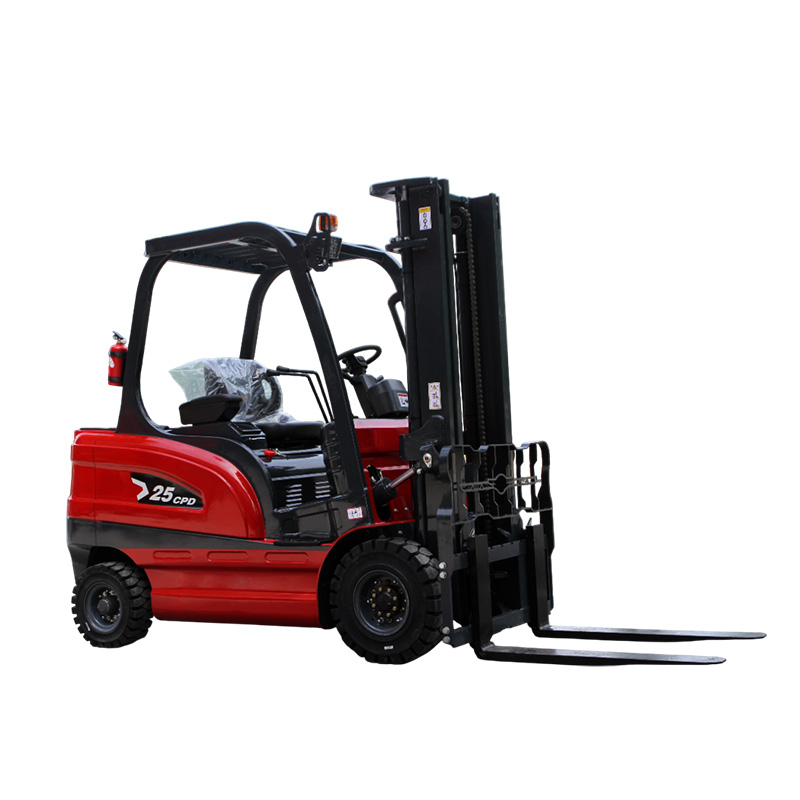
Total Cost of Ownership: Electric vs Diesel Heavy Duty Trucks
Cost performance of battery electric trucks (BETs) compared to internal combustion engine trucks (ICETs)
Heavy duty battery electric trucks are starting to look like a better deal than their diesel counterparts when it comes to running costs, especially for fuel and maintenance stuff. The numbers tell an interesting story too. Electric versions can run on power that costs around 9 cents per kilowatt hour while diesel still sits at about $1.14 per liter according to CostMine from last year. And there's something else worth mentioning here: those regenerative brakes actually cut down wasted energy by somewhere between 15 to 20 percent as reported by Transport & Environment back in 2020. When we take a closer look at big 200 ton haulers specifically, the math gets even clearer. Operators report seeing operating costs drop anywhere from 35 up to 45 percent each hour simply because these electric rigs need less lubrication and have far fewer parts wearing out over time.
Key components of total cost of ownership for electric vehicle fleets
Total cost of ownership (TCO) for electric fleets rests on three pillars:
- Acquisition costs: A 35â€"45% higher initial investment than diesel, typically offset within 5â€"7 years through operational savings
- Energy efficiency: BETs convert 85â€"92.5% of grid energy to motion, outperforming diesel’s 75â€"85% efficiency (Transport & Environment, 2020)
- Maintenance: With far fewer moving parts, annual upkeep is reduced by $14,000â€" $20,000 per truck
Impact of battery prices and energy costs on economic feasibility
The cost of lithium-ion batteries has fallen quite a bit since 2010 according to BloombergNEF data from 2023, actually dropping around 89%. This price drop makes heavy duty battery electric trucks much more economically viable than before. Looking ahead, when we hit that $100 per kWh mark sometime around 2025, it looks like total cost of ownership for these electric vehicles could match what companies currently pay for diesel trucks within just 5 to 7 years. And let's not forget about something else important too. Electric truck operators get the advantage of knowing exactly what their fuel costs will be month after month. Meanwhile, diesel prices keep bouncing all over the place. The Ponemon Institute reported back in 2023 that this price instability ends up costing mid sized fleets roughly $740,000 in unexpected expenses over ten whole years.
Projected affordability of heavy duty electric pallet trucks by 2030
The numbers look pretty convincing when it comes to electric heavy duty trucks beating out diesel models by around 2030 across every weight category in terms of overall ownership costs. With battery prices dropping below 80 dollars per kilowatt hour these days, plus better charging stations popping up everywhere, companies can expect their downtime expenses to shrink somewhere between 40 and 50 percent. The payload capacity gap is closing too, now matching what diesel trucks offer at around 200 to 320 tons. According to Energy Innovation research, trucking companies should see real money savings too. Their calculations suggest each electric truck could save upwards of 200 thousand dollars over ten years just from lower fuel bills and fewer repairs needed.
## Operational Savings Through Energy Efficiency and Maintenance Reduction
Fuel Cost Comparison Between Electric and Diesel Heavy Duty Trucks
Heavy-duty electric pallet trucks reduce energy expenses by up to 65% compared to diesel equivalents. While diesel averages $0.35 per mile in fuel, electric models consume just $0.12â€" $0.18 per mile, especially when leveraging off-peak charging and smart grid integration. This advantage grows with load optimizationâ€"each 10% improvement in payload efficiency yields an additional 4â€"6% energy saving for electric trucks.
Lower Maintenance Costs in Heavy Duty Electric Pallet Trucks Due to Fewer Moving Parts
Electric trucks require 40% less maintenance by eliminating oil changes, exhaust systems, and multi-gear transmissions. With only about 200 moving parts versus over 1,200 in diesel models, repair frequency drops significantly. Regenerative braking further extends brake life, cutting replacement costs by $380â€" $600 annually per unit.
Energy-Efficient Driving, Routing, and Load Management for E-Trucks
Advanced telematics enable substantial energy savings through:
- 15â€"22% reduction via optimized acceleration profiles
- 12% fewer empty miles using AI-driven routing
- 8â€"10% battery conservation with predictive charge scheduling
Pairing these tools with off-peak charging can reduce per-kWh costs by 18â€"30%, maximizing long-term savings.
Smart Charging Strategies for Continuous Electric Fleet Operations
Depot, Destination, and En Route Charging for Uninterrupted Operations
A three-tiered charging strategy ensures continuous operation: depot charging overnight at low rates, destination charging during loading/unloading, and en route fast-charging for extended shifts. This approach supports operations exceeding 12-hour cycles without returning to base, maintaining productivity comparable to diesel fleets.
Charging Infrastructure Impact on Downtime and Operational Costs
Well-designed charging infrastructure reduces energy-related stoppages by 22% in distribution centers (Logistics Tech Quarterly 2023). Underpowered systems lead to missed deliveries and overtime labor, while oversized installations waste capital. Modular setupsâ€"from 50kW to 350kWâ€"allow scalable, cost-effective deployment as fleets grow.
Predictive Energy Management to Optimize Charge Cycles
Telematics systems analyze up to 53 variablesâ€"including battery temperature, elevation changes, and dispatch schedulesâ€"to create intelligent charging plans. These systems extend battery lifespan by 18% and reduce peak demand charges. Machine learning adapts to seasonal patterns, ensuring high-priority vehicles remain charged even during partial grid disruptions.
Maximizing Asset Productivity and Utilization in Electric Fleets
Increasing Fleet Efficiency Through High Utilization Rates
Heavy duty electric pallet trucks tend to give the best return on investment when they run around 6 to 8 hours each day, which beats out those gas powered models that often sit idle most of the time, only getting used for about 3 or 4 hours. With modern tracking systems in place, warehouses can keep their electric fleets running at about 93% uptime. This means managers can quickly move trucks where they're needed most during busy times without waiting for someone to manually track down equipment. Some warehouses that implemented smart scheduling software saw their electric truck usage jump by nearly 40%, and interestingly enough, they actually needed 22% fewer trucks overall according to recent findings from the 2024 warehouse electrification report. Makes sense really - better planning leads to smarter resource allocation.
Battery and Motor Sizing Trade-Offs Affecting Ownership and Operating Costs
Balancing upfront investment with long-term performance is critical:
| Specification | High-Capacity Approach | Optimized Approach |
|---|---|---|
| Battery Range | 12-hour runtime (+$8,200) | 8-hour runtime with opportunity charging |
| Motor Power | 5 HP (+$3,700) | 3.5 HP with regenerative braking |
| Total Savings | â€" | 24% lifecycle cost reduction |
Field data shows proper component sizing reduces battery replacements by 31%. Predictive tools now achieve 89% accuracy in matching truck specs to operational demands, minimizing overspending on excess capacity.
Incentives, Techno-Economic Drivers, and Industry Adoption Barriers
Government Incentives and Their Impact on ROI for Heavy Duty Electric Pallet Trucks
Federal tax credits can cover 30â€"50% of procurement costs for electric fleets, with 28 states offering additional rebates for charging infrastructure (Sustainability-Directory 2023). These incentives shorten payback periods by 18â€"24 months, enhancing ROIâ€"especially when combined with lower energy and maintenance expenses over a truck’s 10â€"12 year service life.
Balancing Battery Size, Energy Consumption, and Payload Needs
Modern lithium-ion batteries deliver 260â€"300 Wh/kg, enabling compact 120â€"150 kWh packs at 400V that support most warehouse operations. Despite an 82% decline in battery pack costs since 2010, operators must align daily energy use (15â€"25 kWh/truck) with payload needs (3,000â€"5,500 lbs) to avoid unnecessary weight gain (8â€"12%) from oversized batteries.
Addressing the Adoption Paradox: Slow Uptake Despite Long-Term Cost Advantages
Even though electric vehicles cost about half as much to run over their lifetime, many companies still aren't making the switch because the initial investment is so steep. Electric trucks typically set businesses back between $45k and $65k compared to around $32k to $40k for diesel models. Then there's the whole issue of building out charging stations at depots, which can cost anywhere from $15k up to $50k each. According to a recent industry study released last year, roughly two thirds of logistics companies are putting off their transition to electric power mainly because they lack trained technicians and aren't sure when they'll see a return on their investment. To get past these roadblocks, most experts recommend taking things step by step, implementing battery health tracking systems that predict failures before they happen, and working closely with local utilities to lock in cheaper electricity rates during off peak hours, ideally under $0.12 per kilowatt hour.
Frequently Asked Questions
What are the key cost savings of operating electric heavy-duty trucks over diesel trucks?
Electric trucks offer significant cost savings in operation due to lower fuel costs, reduced maintenance needs, and static energy prices compared to volatile diesel costs. Operators can save up to 65% in energy expenses and reduce maintenance costs by 40% with electric trucks.
How is the total cost of ownership affected by the initial purchase price of electric trucks?
Although electric trucks have a 35-45% higher acquisition cost, this is often offset by operational savings within 5-7 years. Federal and state incentives can also help lower the initial financial burden, reducing the payback period.
Why are businesses hesitant to shift from diesel to electric heavy-duty trucks?
The high upfront cost of electric trucks and the infrastructure required for charging stations are major deterrents. Additionally, a lack of trained technicians for electric vehicles and uncertainties about return on investment contribute to slower adoption rates.
Table of Contents
-
Total Cost of Ownership: Electric vs Diesel Heavy Duty Trucks
- Cost performance of battery electric trucks (BETs) compared to internal combustion engine trucks (ICETs)
- Key components of total cost of ownership for electric vehicle fleets
- Impact of battery prices and energy costs on economic feasibility
- Projected affordability of heavy duty electric pallet trucks by 2030
- Fuel Cost Comparison Between Electric and Diesel Heavy Duty Trucks
- Lower Maintenance Costs in Heavy Duty Electric Pallet Trucks Due to Fewer Moving Parts
- Energy-Efficient Driving, Routing, and Load Management for E-Trucks
- Smart Charging Strategies for Continuous Electric Fleet Operations
- Maximizing Asset Productivity and Utilization in Electric Fleets
- Incentives, Techno-Economic Drivers, and Industry Adoption Barriers
- Frequently Asked Questions