
 EN
EN
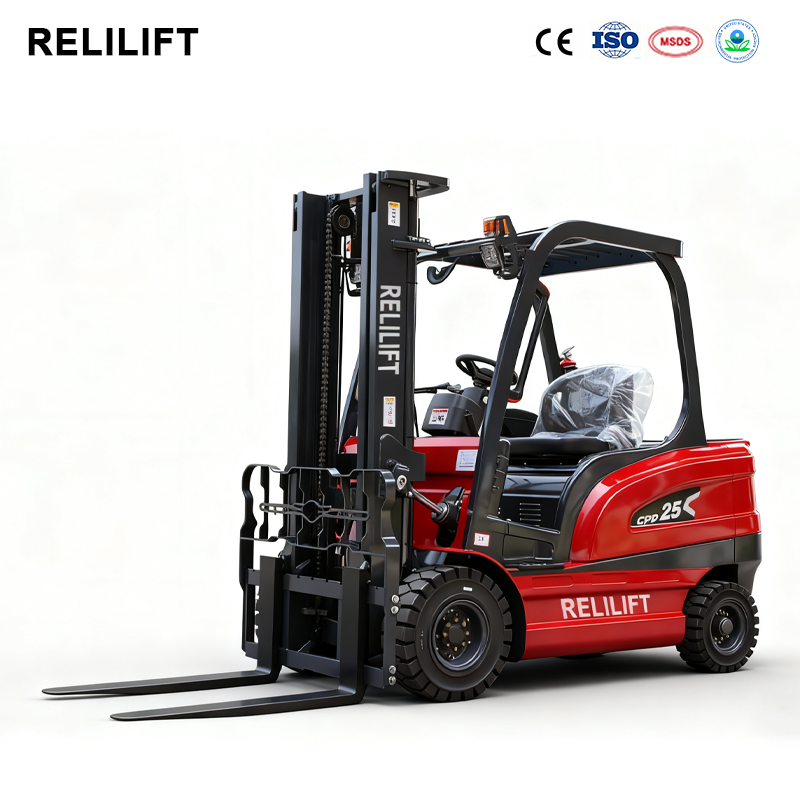
Why Choose an Electric Forklift Over Internal Combustion Models?
Modern warehouses increasingly prioritize electric forklifts over internal combustion (IC) models—driven by measurable economic, safety, and sustainability advantages that directly enhance operational efficiency and regulatory compliance.
Lower Total Cost of Ownership
The bottom line is that electric forklifts generally cost about 30 to 50 percent less over their entire lifespan compared to internal combustion models. Sure, they come with a bigger price tag upfront, but running them on electricity ends up being around three times cheaper than burning propane or diesel each hour they operate. What makes electric models so appealing is the absence of all those complicated parts found in traditional forklifts' engines, transmissions, fuel systems, exhaust components and everything else that goes along with them. This means far less work for maintenance crews who no longer have to deal with oil changes, replacing worn-out spark plugs, cleaning fuel filters, or fixing exhaust problems. Looking at the numbers over a five year period, companies often save well over twenty grand per vehicle just from not dealing with those constant issues like hydraulic fluid leaks and expensive transmission rebuilds that plague older IC fleet equipment.
Zero Emissions and Indoor Safety Compliance
Electric forklifts don't emit anything at all during operation, which means no dangerous carbon monoxide buildup in tight spaces like indoor warehouses. This helps facilities stay within OSHA regulations regarding air quality standards found in 29 CFR 1910.178. The absence of harmful fumes also saves money because companies won't need to spend thousands on expensive ventilation systems that can sometimes run over ten grand just to meet requirements for traditional internal combustion units. Another benefit comes from lithium-ion battery technology that cuts down on hydrogen gas dangers typically seen when charging older lead acid batteries. Plus, these electric models operate much quieter than their noisy counterparts, staying under 75 decibels most of the time. Warehouse workers find it easier to talk to each other without shouting, and studies suggest operators experience around forty percent less fatigue after working shifts with electric forklifts instead of those loud internal combustion engines.
Key Applications and Operational Environments for Electric Forklifts
Cold Storage and Cleanroom Facilities
When it comes to working in cold storage areas or places that need to stay sterile, electric forklifts really are the best bet. Think about those big refrigerated warehouses where temps can drop as low as minus twenty degrees Celsius, or pharmaceutical facilities where even a tiny particle matters. Internal combustion engines just don't cut it there because their exhaust fumes mess with products and violate all sorts of regulations. The good news is electric models have these sealed systems that handle moisture and humidity without losing power. Plus, they run so smoothly that operators can move delicate items like surgical instruments or crates of strawberries without causing damage. Food processors love them too since these machines meet FDA standards for cleanliness and actually help keep bacteria at bay by eliminating the heat and oil buildup from traditional engines.
Multi-Shift Distribution Centers and E-Commerce Fulfillment Hubs
In high volume logistics settings, electric forklifts keep things moving around the clock thanks to their quiet operation, typically below 75 decibels which means less noise pollution between shift changes. The newer lithium-ion versions are game changers too since swapping batteries takes less than five minutes flat, so there's no downtime when orders start pouring in. These machines can navigate through those tight spaces where aisles measure under two meters wide without bumping into anything, and this precision cuts down on damaged goods by about 18 percent as reported by Logistics Management last year. Plus they come equipped with regenerative braking systems that actually capture energy whenever the operator hits the brakes frequently throughout the day. This feature alone brings power costs down roughly 30% compared to what companies would spend running diesel forklifts in warehouses with multiple levels.
Critical Selection Criteria for Your Electric Forklift Investment
Load Capacity, Lift Height, and Mast Configuration
Finding the correct electric forklift starts by aligning specs with what actually happens on the floor day after day. Take stock of those heavy loads that come through regularly and pick something with about 10 to 15 percent extra capacity beyond that weight limit. The ANSI B56.1-2023 guidelines back this approach for both safety reasons and keeping things running smoothly over time. When dealing with tall storage racks going past 15 meters (around 49 feet), triple stage masts become essential for getting materials where they need to go. Facilities with limited headroom space work better with smaller mast setups. Different mast designs impact how well operators see their surroundings too. Duplex and triplex masts give greater reach into shelves but make spotting obstacles trickier during operation. According to recent research from industry experts, nearly one out of every four warehouse incidents stems from using equipment that doesn't fit the job properly. That's why taking time to get the specs right matters so much in preventing accidents and downtime.
Battery Technology: Lead-Acid vs. Lithium-Ion Trade-offs
Battery choice fundamentally shapes TCO, productivity, and infrastructure planning.
| Parameter | Lead-Acid | Lithium-Ion (LIB) |
|---|---|---|
| Upfront Cost | $3k–$5k | $12k–$18k |
| Cycle Life | 1,500 cycles | 3,000+ cycles |
| Charging Time | 8–10 hours | 1–2 hours (opportunity charging) |
| Energy Efficiency | 80% | 95%+ |
| Maintenance | Watering, equalization required | Virtually maintenance-free |
Lithium-ion batteries can last over 30% longer between charges compared to traditional options, allowing workers to charge them during short breaks instead of waiting for full downtime. Plus, there's no need to swap out batteries anymore, which cuts down on both labor costs and warehouse space needed for storage. Lead acid batteries still make sense economically for businesses that only run one shift per day, but according to recent market research from MHI, companies running multiple shifts saw a 42% increase in switching to lithium tech since 2022. This growth is largely because businesses see quick returns on investment when they save money on electricity bills at standard commercial rates around $0.12 per kilowatt hour. Before making the switch though, it pays to look closely at how equipment gets used throughout the day, when staff actually work, and what kind of charging stations are already available onsite.
Maintenance, Charging Infrastructure, and Total Uptime Optimization
Keeping electric forklifts running as much as possible needs more than just fixing things when they break down. Electric models actually need special care compared to internal combustion ones because their batteries, heat management, and chargers all require specific attention. When companies implement predictive maintenance strategies that include checking software diagnostics along with regular looks at connectors, cooling systems, and firmware updates, they can cut unexpected downtime by roughly 30 percent according to industry data. The way charging stations are set up matters too. Having several smart charging points lets operators top off batteries during short breaks instead of waiting for full charges which disrupts operations completely. With remote monitoring tools, techs get live updates about battery condition and charger status so problems can be fixed before they become bigger headaches during routine maintenance periods. Companies following this approach often see over 95% of their electric forklift fleet available even during busy three-shift days while extending battery lifespan by about a quarter. Properly maintained charging equipment helps avoid wasted electricity, unstable voltages, and potential fire risks, all of which contribute to better safety records and lower expenses over time.
Frequently Asked Questions (FAQ)
What are the main benefits of using electric forklifts over internal combustion models?
Electric forklifts offer a lower total cost of ownership, zero emissions, improved indoor safety compliance, and quieter operation. They also require less maintenance compared to internal combustion models.
Which industries benefit most from electric forklifts?
Industries such as cold storage, pharmaceuticals, food processing, and e-commerce fulfillment hubs benefit significantly from the precision, safety, and efficiency provided by electric forklifts.
How does battery choice impact electric forklift performance?
Battery technology influences total cost, productivity, and maintenance requirements. Lithium-ion batteries offer advantages like faster charging, longer cycle life, and reduced maintenance over lead-acid batteries.
What maintenance strategies optimize electric forklift uptime?
Predictive maintenance strategies, effective charging infrastructure, and remote monitoring tools are essential for optimizing uptime and extending battery lifespan for electric forklifts.
Table of Contents
- Why Choose an Electric Forklift Over Internal Combustion Models?
- Key Applications and Operational Environments for Electric Forklifts
- Critical Selection Criteria for Your Electric Forklift Investment
- Maintenance, Charging Infrastructure, and Total Uptime Optimization
- Frequently Asked Questions (FAQ)