
 EN
EN
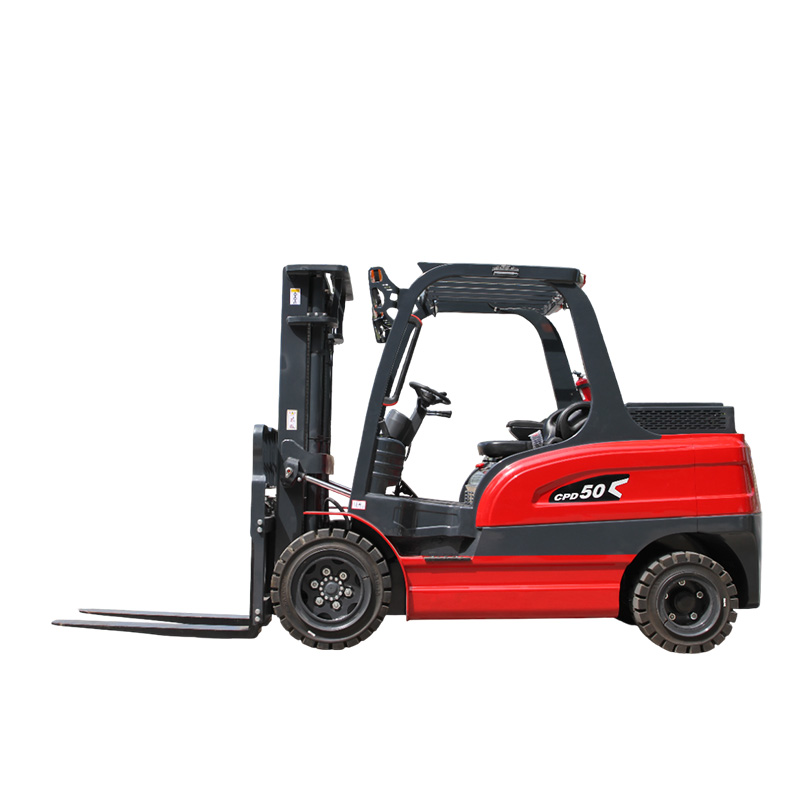
What Defines a Small Electric Forklift? Capabilities, Classes, and Real-World Limits
Lifting capacity, mast height, and sub-10ft aisle maneuverability
Electric forklifts designed for small spaces can handle loads below 3,000 pounds and reach heights around 15 feet without much trouble. What really sets them apart is how they move through tight spots. These machines can squeeze through aisles less than 10 feet wide thanks to their special rear wheel steering system. According to research from logistics experts back in 2023, this design cuts down the turning radius by roughly 40 percent when compared to traditional gas powered models. The combination of being both small enough and strong enough makes these forklifts particularly useful in warehouses where every inch counts and efficiency matters most.
- Precision lifting for palletized goods in tight retail backrooms or manufacturing staging zones
- Low-profile masts (under 20 ft) supporting vertical access where ceiling clearance is limited
- Tight-turn axles maintaining stability in aisles as narrow as 7 ft
Class 1, Class 2, and Class 3 distinctions â matching small electric forklift specs to warehouse tasks
Forklift classifications help align equipment with workflow demands:
- Class 1 (Electric Motor Rider Trucks): Counterbalanced units suited for general material handlingâloading docks, cross-docking, and moderate-duty pallet movement
- Class 2 (Electric Narrow Aisle): Reach trucks and order pickers built for high-density storage; they maximize vertical cube in distribution centers and grocery warehouses
- Class 3 (Electric Hand/Rider Trucks): Walk-behind pallet jacks optimized for rapid horizontal transport in low-volume replenishment
Class 2 models account for 68% of narrow-aisle deployments in grocery warehousing, reflecting their dominance in 8â12 ft aisle applications.
Key operational constraints: load center sensitivity, battery runtime, and floor surface requirements
Despite their versatility, small electric forklifts operate within clear physical and procedural boundaries:
- Load center sensitivity: Rated capacity drops 20â30% when handling elongated or irregular loads due to reduced counterbalance leverage
- Battery constraints: Standard lead-acid batteries provide 4â6 hours of runtime; lithium-ion upgrades extend this by 35% but raise initial investment
- Terrain limitations: Designed for smooth, level surfacesâoperation on gradients exceeding 5° risks instability without reinforced flooring
These constraints underscore the need for workflow-specific evaluationâespecially in multi-shift operations where battery management directly affects throughput.
When Simpler Alternatives Outperform a Small Electric Forklift
Electric pallet jacks and walkie forklifts: ideal use cases and throughput trade-offs
Electric pallet jacks work really well for moving lots of stuff horizontally through tight spaces such as those found in most retail warehouses. The walk behind style means no need for a driver's compartment, so operators can squeeze through narrow aisles below five feet wide something regular ride-on trucks just cant do. Walkie stackers handle moderate heights around ten feet but they move things about thirty percent slower compared to smaller electric forklift models. For businesses running shifts and dealing mainly with standard sized pallets weighing less than three thousand pounds, these machines make sense when what matters most is getting around easily instead of lifting heavy loads all day long. Plus, since workers aren't stuck sitting up high or struggling with awkward maneuvers, their energy stays intact throughout the work period.
TCO analysis: upfront cost, battery lifecycle, and training efficiency vs. small electric forklift
The cost difference between simpler options and small electric forklifts is pretty significant, around 40 to maybe even 60 percent cheaper when looking at industry numbers. Training someone to operate walkie models takes just about four hours total compared to the 16 plus hours needed for full forklift certification. This cuts down on how long it takes to get new staff up to speed and reduces paperwork headaches for compliance. The downside? These walkies typically run for 4 to 6 hours before needing a battery swap during shifts, so companies might need extra units if they're running non-stop operations. Still, electric pallet trucks often come out ahead with roughly 20% savings over five years in situations where routes are consistent and lifting doesn't go beyond 15 feet high, even though batteries do need replacing more frequently than traditional models.
Higher-Capacity Narrow-Aisle Options: Reach Trucks, Stackers, and Order Pickers Compared to Small Electric Forklift
Vertical reach, stability, and operator ergonomics in high-density retail and grocery backrooms
When it comes to those tight spaces behind grocery store counters where every inch of vertical space counts, reach trucks, stackers, and order pickers just plain work better than those little electric forklifts most places have. Take reach trucks for instance they can grab stuff way up there at 30 feet plus in those narrow aisles that barely fit through, which means stores can stack three times higher than what those smaller units manage. Order pickers are great because they literally lift workers right up to where the goods are sitting, so nobody has to keep climbing up and down ladders all day long. Stackers fall somewhere between these extremes offering decent height (around 15 to 25 feet) while taking up less floor space overall. What really sets these machines apart though is their stability systems. These bad boys come equipped with all sorts of fancy stabilizers and anti-tip tech that keeps them upright even when lifting heavy loads high off the ground something those tiny electric models struggle with badly. Plus, manufacturers have been putting serious thought into ergonomics lately. Most modern versions feature comfortable platforms with cushioned mats and controls that make sense intuitively. According to warehouse safety reports, these improvements alone seem to cut down injuries by about 37% in busy areas handling fresh produce and other perishables where speed matters but so does worker safety.
Electric vs. IC Power: Why Small Electric Forklift Delivers Lower TCO and Compliance Benefits
Electric forklifts on the smaller side offer real money saving benefits compared to those running on traditional internal combustion engines. The fact that they run on electricity instead of gas or diesel means businesses can cut their power bills by around 80 percent in many cases. Since there are simply not as many parts moving around inside these machines, fixing them when something goes wrong ends up costing about half what it would for conventional models. This makes a big difference in how much companies spend overall throughout the lifespan of their equipment. No exhaust fumes at all from electric models means better air quality indoors where workers breathe, and keeps facilities compliant with rules set by agencies such as the EPA under their Tier 4 standards. Plus, these electric lift trucks stay quiet enough during operation, typically staying well under that dangerous 85 decibel threshold required by OSHA guidelines for protecting employee hearing health. When looking at things like extended 使用寿命 and unpredictable fuel prices going up and down so often lately, it becomes pretty clear why more and more operations concerned about both bottom line savings and green initiatives are switching to electric forklift technology.
FAQ
What is the lifting capacity of small electric forklifts?
Small electric forklifts typically handle loads below 3,000 pounds and can reach heights around 15 feet easily.
Where are small electric forklifts most useful?
They are particularly beneficial in tight warehouse spaces, retail backrooms, or manufacturing zones where efficiency and maneuverability are crucial.
What are the common classifications of electric forklifts?
Electric forklifts are classified into Class 1, 2, and 3, each suited for different warehouse tasks ranging from general material handling to high-density storage.
Are there alternatives to small electric forklifts?
Yes, alternatives such as electric pallet jacks and walkie forklifts are ideal for moving loads in limited space without the need for lifting capabilities.
Why choose electric forklifts over those with internal combustion engines?
Electric forklifts offer lower total cost of ownership (TCO), better indoor air quality, compliance with environmental standards, and quieter operating conditions compared to combustion engine models.