
 EN
EN
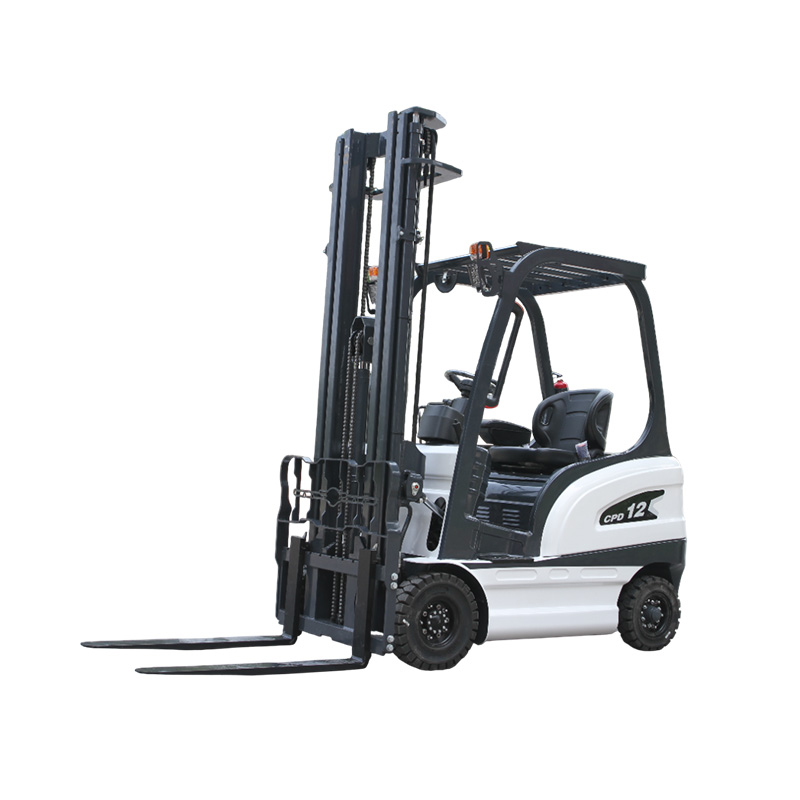
Pag-unawa sa Kabuuang Gastos sa Pagmamay-ari para sa Mga Maliit na Electric Forklifts
Pagpapaliwanag ng TCO: mga gastos sa pagkuha, enerhiya, pangangalaga, at kapalit ng baterya
Upang tunay na maunawaan ang kabuuang gastos ng mga maliit na elektrikong forklift sa mahabang panahon, may apat na pangunahing bagay na dapat tingnan. Ang unang bagay na napapansin ng mga tao ay ang presyo ng pagbili nito na karaniwang 30 hanggang 50 porsyento na mas mataas kaysa sa tradisyonal na gas o diesel na modelo. Ang pagkakaiba sa presyo ay nagmumula sa lahat ng mga sopistikadong bahagi sa loob nito, lalo na ang mga bateryang lithium-ion na hindi murang bilhin. Ngunit dito na nagsisimulang magkapantay ang mga bagay. Sa katunayan, ang mga elektrikong forklift ay gumagamit ng malaki ang pagkonsumo ng kapangyarihan. Gumagamit sila ng humigit-kumulang 30 porsyento na mas kaunti ng enerhiya bawat pallet na inililipat kumpara sa kanilang mga kapatid na diesel. Bakit? Dahil ang mga elektrikong motor ay gumagana nang may kahusayan na higit sa 90 porsyento, samantalang ang mga internal combustion engine ay nahihirapan pa ring abotin ang 35 porsyento lamang. Gayunpaman, ang pinakamalaking pagtitipid sa pera ay nangyayari sa pangangalaga. Ang mga elektrikong unit ay may humigit-kumulang 70 porsyento na mas kaunting gumagalaw na bahagi kaysa sa mga combustion engine, kaya’t kailangan nila ng 40 hanggang 60 porsyento na mas kaunting oras ng serbisyo bawat taon ayon sa datos mula sa industriya noong 2023. Ang sitwasyon sa baterya ay mas komplikado bagaman. Ang mga bateryang lithium-ion ay tumatagal ng humigit-kumulang tatlong beses na mas matagal kaysa sa lumang bateryang lead-acid, ngunit may mas mataas na presyo mula sa simula. Kung titingnan natin ang mga gastos sa loob ng limang taon, ang kombinasyon ng mas mataas na presyo sa pagbili ngunit mas mababang gastos sa operasyon ang nagpapaliwanag kung bakit maraming kumpanya ang natatagpuang nag-aaksaya ng higit na pera sa kuryente kaysa sa fuel, kahit na sila’y nagbayad ng dagdag na halaga sa simula para sa kagamitan.
Paghahambing ng TCO: maliit na elektrikong vs. internal combustion at mas malalaking elektrikong forklift
Nagiging mas malinaw ang pagtingin sa kabuuang kita kapag inihahambing natin ang iba't ibang opsyon ng forklift sa tunay na mga setting ng warehouse. Ang maliit na elektrikong modelo ay karaniwang nananalo nang malinaw kumpara sa mga unit na may internal combustion sa mga pasilidad na gumagamit ng maraming shift araw-araw. Ang kabuuang gastos nila sa loob ng panahon ay bumababa ng humigit-kumulang 43% dahil hindi nila kailangan ang fuel at kailangan nila ng malaking pagpapanatili. Kapag ihinahambing sa mas malalaking elektrikong truck, ang mga kompakto nitong bersyon ay nakakatipid talaga ng 15 hanggang 20% sa kabuuang gastos ng pagmamay-ari sa mga makitid na espasyo kung saan ang lapad ng daanan ay pinakamahalaga. Ang mga tipid na ito ay nagmumula sa mas epektibong paggamit ng espasyo at sa kadalian ng pagmaneuver sa loob ng mga siksik na lugar ng imbakan. Ngunit may isang eksepsyon na dapat tandaan: kapag kailangan ng mabigat na pagbubuhat (anuman ang timbang na higit sa 5,000 pounds), ang mas malalaking elektrikong modelo pa rin ang pinakamahusay na opsyon kahit na kumokonsumo sila ng higit na kuryente. Para sa mga operasyon na tumatakbo ng humigit-kumulang 2,000 oras bawat taon o higit pa, ang mas maliit na elektrikong forklift ay sumasagot nang eksaktong tama. Panatilihin nila ang lahat ng mga pakinabang sa kahusayan mula sa paggamit ng elektriko nang hindi kailangang maglagay ng mahal na imprastruktura para sa pagcha-charge na karaniwang kinakailangan para sa buong sukat na kagamitang pang-industriya.
Napatunayang Pagtitipid sa Operasyon mula sa Pag-ado ng Mga Maliit na Electric Forklift
Ang mga maliit na electric forklift ay nagbibigay ng nakukukuhang pagtitipid sa operasyon sa pamamagitan ng dalawang pangunahing pakinabang: mas mataas na kahusayan sa enerhiya at mas kaunting pangangailangan sa pagpapanatili. Ang mga kadahilanang ito ay direktang nakaaapekto sa iyong kita sa pamamagitan ng pagbaba ng patuloy na gastos sa operasyon.
Mga kalamangan sa kahusayan sa enerhiya: kWh bawat pallet na inililipat kumpara sa mga katumbas na ICE
Ang mga electric model ay umuubos ng 30–50% na mas kaunti ng enerhiya bawat pallet na inililipat kumpara sa mga katumbas na ICE. Ang tiyak na pagsubaybay ay nagpapakita na ang average na pagkonsumo ng mga maliit na electric forklift ay 0.15–0.25 kWh bawat pallet sa karaniwang operasyon sa warehouse, kumpara sa 0.4–0.6 kWh para sa mga katumbas na propane. Ang mga pagtitipid na ito ay lalo pang tumataas sa mga operasyon na may maraming shift, kung saan ang mga gastos sa kuryente ay mas napapanatili kaysa sa hindi pare-pareho at nababago ang presyo ng fuel.
Kalamangan sa mababang pangangailangan ng pagpapanatili: 40–60% na mas kaunti ang oras ng serbisyo bawat taon (MHI 2023 benchmark)
Ang mga elektrikong drivetrain ay nag-aalis ng maraming bahagi na kailangan ng mga internal combustion engine tulad ng langis, mga filter, spark plug, at buong exhaust system. Ayon sa Maintenance Handbook Institute sa kanilang ulat noong 2023, ang mga pagbabagong ito ay nangangahulugan ng halos kalahating bilang ng oras para sa serbisyo bawat taon kung ihahambing sa mga tradisyonal na modelo. Wala nang kailangang palitan ang langis, ayusin ang mga fuel system, o harapin ang mga emissions test. At may isa pang bagay: ang regenerative braking ay talagang nagpapabagal ng pagkasira ng mga brake sa paglipas ng panahon. Ito ay nangangahulugan ng mas mababang gastos sa pagkukumpuni sa kabuuan at mas maraming oras para sa trabaho dahil nananatili ang mga forklift sa gawain nang mas matagal, na gumagalaw ng mga pallet nang mas mabilis kaysa dati.
Estratehiya sa Battery at mga Protokol sa Pag-charge na Protektado ang ROI
Pagpepresa batay sa shift vs. pagpepresa sa pagkakataon: epekto sa cycle life ng lithium-ion at sa uptime ng fleet
Ang ginagamit na paraan ng pagpapabuhay ay may malaking epekto sa tagal ng buhay ng mga baterya na lithium ion at sa produktibidad ng mga sasakyang nasa isang armada. Ang oportunistic charging (pagpapabuhay sa mga maikling pahinga sa loob ng araw) ay gumagana nang pinakamabuti kapag ginagawa ito sa panahon ng mga maikling pahinga sa loob ng araw. Ang pagpapanatili ng antas ng karga ng mga baterya sa pagitan ng humigit-kumulang 75% hanggang 25% ay nakakatulong na bawasan ang pang-araw-araw na stress sa mga cell ng mga baterya ng humigit-kumulang 35%, na maaaring talagang triplehin ang kabuuang dami ng enerhiya na maisusuplay nila sa paglipas ng panahon. Ngunit upang maganap ito, kailangan ng mga de-kalidad na kagamitan sa pagpapabuhay na may kakayahang pigilan ang mga bahagyang siklo ng pagpapabuhay na makasira sa baterya sa paglipas ng panahon. Ang tradisyonal na pagpapabuhay batay sa shift ay lubos na angkop para sa mga lumang bateryang lead acid, ngunit ito ay nagpapapilit sa mga bateryang lithium ion na dumadaan sa buong siklo ng pagpapabuhay nang hindi kinakailangan, na nagdudulot ng mas mabilis na pagkawala ng kapasidad. Kapag pinamamahalaan ang isang armada na may mga bateryang lithium ion, ang pagsasama ng opportunistic charging at regular na pagsubok sa estado ng karga (state of charge) ay nakakatulong upang mapanatiling tumatakbo ang mga sasakyan nang mas matagal nang hindi binabawasan ang kanilang pagganap. Ang karamihan sa mga bateryang lithium ion ay nananatiling may higit sa 95% ng orihinal na kapasidad nito kahit matapos na itong dumadaan sa humigit-kumulang 2000 na siklo ng pagpapabuhay—na humigit-kumulang dalawa hanggang tatlong beses na mas mahusay kumpara sa mga alternatibong bateryang lead acid.
Kapag ang lithium-ion ay nagbibigay ng ROI—at kung kailan pa rin ang lead-acid ay may kabuluhan para sa mga maliit na fleet
Para sa mga negosyo na nagpapatakbo ng maraming shift, ang mga baterya na lithium-ion ay nag-aalok ng pinakamahusay na pagbabalik sa investisyon dahil mas mabilis silang nacacharge kaysa sa tradisyonal na mga opsyon na lead-acid (halos 50 hanggang 70 porsyento mas mabilis). Ibig sabihin, walang kailangang palitan ng baterya habang gumagana ang makina, na nakakatipid ng humigit-kumulang 15 hanggang 30 minuto bawat shift para sa aktwal na oras ng trabaho. Kasama ang buhay na humigit-kumulang 10,000 oras at halos walang pangangailangan ng pagpapanatili (humigit-kumulang 40 porsyento na mas kaunti ang oras ng serbisyo bawat taon), ang mga bateryang ito ay sulit sa dagdag na gastos para sa mga kumpanya na lubhang gumagamit ng maliit na elektrikong forklift sa kanilang operasyon. Sa kabilang banda, ang lead-acid ay nananatiling epektibo pa rin para sa mga pasilidad na gumagana lamang ng isang shift kada araw, may regular na skedyul, at mas mahigpit na badyet. Ang mga mas maliit na operasyon sa garahe na hindi gumagamit ng kanilang kagamitan nang higit sa humigit-kumulang 1,500 oras kada taon ay maaaring makakuha ng katulad na kabuuang gastos gamit ang lead-acid kung susundin nang maingat ang tamang mga pamamaraan sa pagpapanatili tulad ng regular na pagpapainom at equalization. Karamihan sa mga operator ay nakakakita na ang punto kung saan naging mas ekonomikal ang lithium-ion ay karaniwang nangyayari sa paligid ng 2,000 oras ng paggamit bawat taon.
Pagtutugma ng Mga Uri ng Maliit na Elektrikong Forklift sa mga Layunin ng ROI na Nakabase sa Aplikasyon
Mga reach truck para sa makitid na daanan laban sa mga walkie pallet truck: mga kompromiso sa espasyo, bilis ng pagpapagana, at kabuuang gastos sa pagmamay-ari
Kapag pumipili sa pagitan ng mga reach truck na may makitid na daanan at mga walkie pallet truck, kailangan ng mga pangasiwaan ng bodega na tingnan ang ilang mga kadahilanan tulad ng dami ng espasyo na magagamit nila, anong antas ng produktibidad ang gusto nilang makamit, at paano ang kanilang badyet sa buong panahon. Ang mga reach truck ay talagang nagtatagumpay sa mga mainit na espasyo kung saan ang densidad ng imbakan ang pinakamahalaga. Ang mga makina na ito ay maaaring mag-imbak ng humigit-kumulang 30 hanggang 40 porsyento nang mas mataas kung ihahambing sa iba pang opsyon, habang nakakapasok pa rin sa mga daanan na mas makitid kaysa walo-piye ang lapad. Ibig sabihin, ang mga bodega na may limitadong espasyo sa sahig ay nakakakuha ng mas mahusay na kabayaran sa kanilang investisyon mula sa kanilang lugar para sa imbakan. Ngunit ang kabaligtaran? Mayroon silang kumplikadong mga mast system na karaniwang nagkakahalaga ng humigit-kumulang 15 hanggang 25 porsyento nang mas mataas sa unang gastos kumpara sa karaniwang walkie pallet truck. Para sa maraming operasyon, ang pagkakaiba sa presyo na ito ay nagdudulot ng malaking epekto sa mga desisyon tungkol sa pagpili ng kagamitan.
Ang mga walkie pallet truck ay mahusay sa mga senaryo ng pahalang na transportasyon na may:
- Mas mababang paunang gastos (karaniwang $10,000–$15,000 bawat yunit)
- Kakaunting kinakailangan sa pagsasanay
- 25% na mas mabilis na paglipat ng karga sa mga operasyon ng shuttle sa maikling distansya
Ang problema ay nangyayari kapag ang mga makina na ito ay hindi kayang abotin ang mga mataas na shelf sa mga gusali ng imbakan na may maraming antas. Kapag tinitingnan ang kabuuang gastos sa pagmamay-ari (total cost of ownership), may malinaw na pagkakaiba sa paraan ng kanilang pagkasira sa paglipas ng panahon. Ang mga reach truck ay karaniwang nangangailangan ng humigit-kumulang 20% na dagdag na pagpapanatili bawat taon dahil sa lahat ng kumplikadong hydraulic system na kasali dito. Samantala, ang mga walkie stacker ay mas mabilis na nag-aubos ng baterya kapag pinapatakbo nang paulit-ulit sa maraming shift. Para sa mas maliit na operasyon na nangangasiwa ng hindi hihigit sa 50 pallet kada araw, ang mga walkie ay karaniwang mas makatwiran mula sa pananaw na pangkabuhayan. Ngunit ang mas malalaking pasilidad na tumatakbo nang walang tigil sa loob ng walo o higit pang oras ay madalas na nakakakita ng mas mahusay na halaga mula sa mga reach truck kahit na may dagdag na paunang gastos. Sa karamihan ng mga kaso, ang nadagdagan na bilis ng pagproseso ay nagpapaliwanag sa mas mataas na presyo.
| Pakikipag-hambing na Salik | Mga Reach Truck para sa Makitid na Daanan | Mga Walkie Pallet Trucks |
|---|---|---|
| Optimal na lapad ng daanan | < 8 talampakan | Anumang lapad |
| Kasaganaan ng average na pallet kada oras | 25–35 | 15–25 |
| Frekuensiya ng serbisyo | Mga teknikal na inspeksyon kada tatlong buwan | Pangunahing pagpapanatili kada anim na buwan |
| Tagal ng siklo ng baterya | 8–10 na oras (lithium-ion) | 4–6 na oras (lead-acid) |
Madalas Itanong
Ano ang Kabuuang Gastos sa Pagmamay-ari (TCO) para sa maliit na elektrikong forklift?
Ang Kabuuang Gastos sa Pagmamay-ari (TCO) para sa maliit na elektrikong forklift ay kasama ang gastos sa pagbili, enerhiya, pangangalaga, at kapalit ng baterya. Bagaman ang mga elektrikong forklift ay maaaring may mas mataas na paunang presyo sa pagbili, nag-aalok sila ng malakiang pagtitipid sa enerhiya at pangangalaga sa kabuuan ng panahon.
Paano kumparatibo ang kahusayan sa enerhiya ng mga elektrikong forklift sa mga forklift na may panloob na combustion engine?
Ang mga elektrikong forklift ay nakakagamit ng 30–50% na mas kaunti ng enerhiya bawat inililipat na pallet kumpara sa mga katumbas na forklift na may panloob na combustion engine (ICE). Ang kahusayang ito ay dulot ng kahusayan ng mga elektrikong motor na umaabot sa higit sa 90%, samantalang ang mga ICE engine ay nahihirapang abotin ang 35%.
Ano ang mga pangunahing pakinabang sa pangangalaga ng maliit na elektrikong forklift?
Ang maliit na elektrikong forklift ay nag-aalok ng hanggang 40–60% na mas kaunti ng oras sa serbisyo bawat taon, dahil sila ay may mas kaunting gumagalaw na bahagi at hindi na kailangan ng mga sangkap tulad ng langis, filter, at sistema ng usok.
Kailan mas mainam ang lithium-ion battery kaysa sa lead-acid para sa mga forklift?
Ang mga lithium-ion battery ay mas mainam para sa mga operasyon na may maraming shift, dahil mas mabilis silang nacacharge at nangangailangan ng mas kaunting pagpapanatili. Sila ay ideal para sa paggamit na umaabot sa higit sa 2,000 oras bawat taon, samantalang ang mga lead-acid battery ay maaaring mas ekonomikal para sa mas maliit na operasyon na may mas mababang antas ng paggamit.
Alin ang mas mainam para sa mga makitid na espasyo: ang reach trucks o ang walkie pallet trucks?
Ang mga narrow-aisle reach truck ay mas mainam para sa mga mahigpit na espasyo dahil nag-aalok sila ng mas mataas na density ng imbakan. Gayunpaman, ang mga walkie pallet truck ay nagbibigay ng mas mababang paunang gastos at mas mabilis na paglipat ng karga sa mga senaryo ng pahalang na transportasyon.
Talaan ng mga Nilalaman
- Pag-unawa sa Kabuuang Gastos sa Pagmamay-ari para sa Mga Maliit na Electric Forklifts
- Napatunayang Pagtitipid sa Operasyon mula sa Pag-ado ng Mga Maliit na Electric Forklift
- Estratehiya sa Battery at mga Protokol sa Pag-charge na Protektado ang ROI
- Pagtutugma ng Mga Uri ng Maliit na Elektrikong Forklift sa mga Layunin ng ROI na Nakabase sa Aplikasyon
-
Madalas Itanong
- Ano ang Kabuuang Gastos sa Pagmamay-ari (TCO) para sa maliit na elektrikong forklift?
- Paano kumparatibo ang kahusayan sa enerhiya ng mga elektrikong forklift sa mga forklift na may panloob na combustion engine?
- Ano ang mga pangunahing pakinabang sa pangangalaga ng maliit na elektrikong forklift?
- Kailan mas mainam ang lithium-ion battery kaysa sa lead-acid para sa mga forklift?
- Alin ang mas mainam para sa mga makitid na espasyo: ang reach trucks o ang walkie pallet trucks?