
 EN
EN
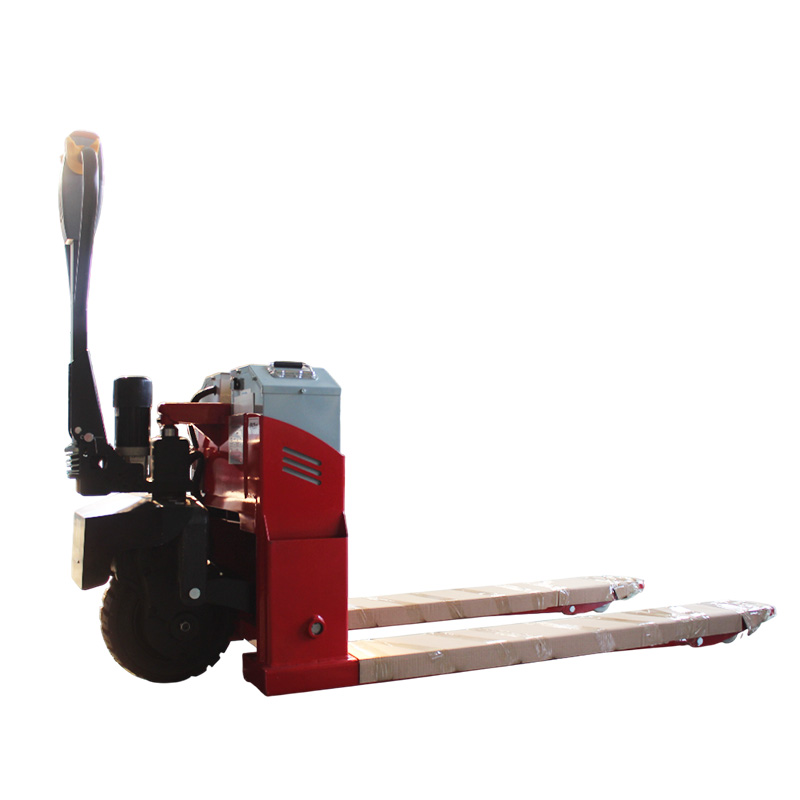
The Rise of the Powered Pallet Jack in Modern Material Handling
Phenomenon: Increasing Adoption of Electric Pallet Jacks in Warehouses
The warehouse industry is seeing a big move towards powered pallet jacks these days. Companies want things moving faster through their facilities and also need to cut down on worker fatigue. According to the latest MHI Industry Report from 2024, around 62 percent of warehouses have switched to electric models for everyday work, which is way up from just 41 percent back in 2020. What's pushing this change? Well, modern warehouses deal with much heavier stuff these days, sometimes as heavy as 6,000 pounds, and they still need to maneuver precisely between tight rows of inventory. Electric jacks make all the difference here, allowing workers to handle those big loads without losing control or wasting time.
Principle: Why Powered Pallet Jacks Are Becoming Essential
Four factors underpin this equipment’s indispensability:
- ROI acceleration: Operators move loads 3x faster than manual alternatives, cutting labor costs by up to $18/hour per worker (Warehouse Efficiency Study 2023)
- Ergonomic prioritization: Adjustable controls and stand-on platforms reduce musculoskeletal injuries by 34% (OSHA 2024)
- Battery advancements: Lithium-ion systems deliver 12-hour runtime, eliminating downtime for frequent charging
- Inventory accuracy: Integrated weigh scales and RFID tracking minimize shipping errors by 22%
MarketsandMarkets projects the material handling equipment market will reach $200 billion by 2026, with electric pallet jacks leading growth as manufacturers adopt energy-efficient lithium-ion solutions.
Trend: Shift from Manual to Electric Pallet Jacks Across Industries
Big box stores have seen their productivity jump by nearly 60% when they swapped out those old manual jacks for powered alternatives in their warehouses. Food processing plants and factory floors aren't immune either these days, with many switching to electric versions just to keep up with faster delivery demands and stay on the right side of workplace safety laws. Looking at numbers from the Bureau of Labor Statistics last year shows something interesting too: warehouse injuries dropped around 19% between 2020 and now. Most experts point fingers at those fancy new safety tech additions on powered equipment like automatic brakes and sensors that stop collisions before they happen.
Evaluating Cost-Effectiveness and Total Cost of Ownership
Comparing Upfront Costs vs. Lifetime Savings in Powered Pallet Jack Use
Manual pallet jacks typically run around $1,200 to $2,500 when bought new, but those fancy powered versions (priced between $4,500 and $8,000) actually save money over time. Let's talk about running costs for a moment. Electric models only need about 15 cents worth of power each hour they're used, compared to roughly $12 per hour paid out in wages for someone pushing the manual ones around all day. Warehouse managers who've done these calculations report something interesting too. About three out of four facilities end up getting their money back on those expensive electric jacks within just 18 months once they factor in how much faster work gets done and how many fewer workers they need to hire for lifting tasks.
Understanding the Long-Term ROI of Powered Pallet Jack Advantages
Five-year ROI assessments must consider:
- Maintenance costs 32% lower than manual jacks (National Warehouse Logistics Report 2024)
- 40% faster load-handling cycles reducing overtime expenses
- Elimination of repetitive stress injury claims averaging $18,000/year
Leading operators achieve 3:1 ROI ratios by aligning upgrades with holistic total cost variables, including energy use and facility layout optimization.
Data Insight: TCO Reduction of Up to 30% Over Five Years
Adopters of electric pallet jacks report measurable improvements in total cost of ownership:
| Cost Category | Manual Jacks | Powered Jacks | Savings |
|---|---|---|---|
| Labor (5-year) | $288k | $112k | 61% |
| Maintenance | $14k | $9k | 36% |
| Productivity Losses | $38k | $12k | 68% |
Source: Material Handling Institute 2023 Benchmark Study
Controversy Analysis: Buy, Lease, or Rent — What Fits Your Business Model?
High-volume operations (8 hours/day) benefit most from purchasing, while leasing offers flexibility during seasonal peaks like e-commerce holidays. Rental is ideal for pilot programs under 90 days. One Midwest 3PL provider cut equipment costs by 19% using owned units for core workflows and leased ones during surges.
Boosting Operational Efficiency and Throughput Performance
Increased Speed and Performance in Material Handling Operations
Powered pallet jacks reduce manual handling time by 40%, enabling faster, more precise load movement. A 2023 material handling study found that warehouses using electric models achieved an 18-month ROI due to accelerated loading cycles and fewer labor hours.
Streamlining Warehouse Operations with Powered Pallet Jacks
By removing physical strain from pushing, these tools enhance workflow continuity. An automotive parts distributor reported 22% efficiency gains across two facilities after deployment, resolving chronic bottlenecks during peak shifts.
Measurable Gains: Case Example from Automotive Distribution Center
A Midwest hub reduced dock-to-rack transfer times from 12 to 7 minutes per pallet using high-capacity powered jacks. This improvement enabled 28 additional daily shipments without hiring more staff—a critical advantage during seasonal demand spikes.
Strategy: Matching Throughput Demands with Electric Pallet Jack Capacity
To optimize performance, operational leaders should:
- Audit peak hourly pallet movements
- Select models with 10–15% surplus capacity
- Prioritize dual-speed controls for mixed-load environments
Trend: Real-Time Tracking and Telematics in Powered Equipment
Modern systems integrate IoT sensors to monitor utilization and maintenance needs, reducing unplanned downtime by 32% annually. This predictive approach supports industry-leading process optimization strategies focused on proactive upkeep.
Improving Ergonomics, Safety, and Workforce Sustainability
Ergonomic Design Features of Modern Powered Pallet Jacks
Today’s powered pallet jacks emphasize operator comfort with adjustable handle heights, low-vibration controls, and intuitive steering. These designs align with ergonomic workstation principles, reducing musculoskeletal disorder risks by 60% compared to manual alternatives (SafetPros 2023). Angled lift levers and anti-fatigue flooring integrations further minimize awkward postures during extended shifts.
Operator Safety and Injury Prevention with Electric Pallet Jacks
Electric models eliminate manual pushing forces and include safety features like automatic braking and anti-rollback systems. Real-time sensors detect obstructions, lowering collision risks by 45% in narrow aisles (Industrial Safety Report 2023). These protections address 34% of warehouse injuries historically tied to overexertion and mishandling.
Reducing Workplace Incidents by 50%: A Retail Distribution Case Study
A Midwest retail distributor halved pallet-related incidents after switching to electric jacks equipped with speed governors and LED aisle lights. Over 12 months, workers’ compensation claims dropped by $120,000, confirming the financial and human benefits of safety-focused upgrades.
Industry Paradox: High Manual Labor Turnover vs. Low Fatigue with Powered Systems
Manual pallet jack roles see 28% annual turnover due to physical strain (Warehouse Workforce Study 2023), whereas facilities using electric models report 40% lower attrition. Operators experience 70% less fatigue during 8-hour shifts, directly improving retention and job satisfaction.
Strategy: Training Programs to Maximize Safe Operation
Targeted training reduces operational errors by 35% when combining equipment instruction with ergonomic best practices. Facilities using modular training frameworks see 50% faster onboarding and maintain perfect OSHA compliance records (E3 Occupational 2023). Quarterly refreshers reinforce load-balancing techniques and battery safety protocols.
Selecting and Integrating the Right Powered Pallet Jack for Your Business
Key Factors: Load Capacity, Fork Size, and Battery Type Options
When it comes to picking the right equipment, three main specs really matter most: what weight it can handle, how long those forks are, and which kind of battery powers the thing. Most warehouses work fine with forks that measure around 48 inches or so since they fit regular pallet sizes and narrow storage areas. But some special jobs need much longer forks, sometimes going over 72 inches for bigger loads. Looking at batteries these days, lithium-ion is becoming the norm for electric jacks, powering about six out of ten new machines according to recent industry data from last year's Warehouse Efficiency Report. These lithium packs charge roughly 30 percent quicker than old fashioned lead acid batteries too. As for lifting capacity, nobody wants their machine struggling mid-job, so good practice is to get something rated for at least 20% more than the heaviest items expected. The top performers in this category can actually manage weights up to 6,000 pounds, making them suitable for serious industrial operations where reliability counts.
Types of Electric Pallet Jacks: Walk-Behind vs. Ride-On Models
Walk-behind models dominate narrow-aisle operations (<8' width) thanks to a 96% tighter turning radius than ride-on units. Ride-ons excel in large-scale distribution centers (>100,000 sq ft), delivering 45% faster transit speeds over long distances (2022 Industrial Equipment Survey).
Maneuverability in Tight Spaces and Narrow Aisles: A Critical Advantage
The optimal powered pallet jack combines articulating tiller arms with responsive acceleration controls. Facilities with aisles under 10' wide report 40% fewer product damages when using compact electric models versus standard units (2022 Industrial Equipment Survey).
Seamless Integration into Existing Warehouse Workflows
Successful integration depends on three compatibility factors:
- Dock plate height tolerances (±0.5")
- Racking system clearance requirements
- Telematics interoperability with existing WMS platforms
A 2024 logistics optimization study found that API-connected pallet jacks reduced load transfer times by 25% compared to standalone units.
Future-Proofing Operations with Smart Powered Pallet Jack Systems
Next-generation models feature IoT-enabled load sensors and predictive maintenance alerts. Early adopters report 30% fewer unplanned downtimes through automated battery health monitoring (2023 Material Handling Trends Report).
FAQs
What is the main advantage of using powered pallet jacks?
Powered pallet jacks reduce manual handling time by 40%, allowing faster, more precise load movement, and minimizing worker fatigue.
How do powered pallet jacks enhance safety in warehouses?
They include safety features such as automatic braking and anti-rollback systems, significantly lowering collision risks and workplace injuries.
What are the cost benefits of switching to electric pallet jacks?
Despite higher upfront costs, they offer significant savings in labor, maintenance, and increased productivity over time.
Table of Contents
- The Rise of the Powered Pallet Jack in Modern Material Handling
- Evaluating Cost-Effectiveness and Total Cost of Ownership
-
Boosting Operational Efficiency and Throughput Performance
- Increased Speed and Performance in Material Handling Operations
- Streamlining Warehouse Operations with Powered Pallet Jacks
- Measurable Gains: Case Example from Automotive Distribution Center
- Strategy: Matching Throughput Demands with Electric Pallet Jack Capacity
- Trend: Real-Time Tracking and Telematics in Powered Equipment
- Improving Ergonomics, Safety, and Workforce Sustainability
- Ergonomic Design Features of Modern Powered Pallet Jacks
- Operator Safety and Injury Prevention with Electric Pallet Jacks
- Reducing Workplace Incidents by 50%: A Retail Distribution Case Study
- Industry Paradox: High Manual Labor Turnover vs. Low Fatigue with Powered Systems
- Strategy: Training Programs to Maximize Safe Operation
-
Selecting and Integrating the Right Powered Pallet Jack for Your Business
- Key Factors: Load Capacity, Fork Size, and Battery Type Options
- Types of Electric Pallet Jacks: Walk-Behind vs. Ride-On Models
- Maneuverability in Tight Spaces and Narrow Aisles: A Critical Advantage
- Seamless Integration into Existing Warehouse Workflows
- Future-Proofing Operations with Smart Powered Pallet Jack Systems
- FAQs