
 EN
EN
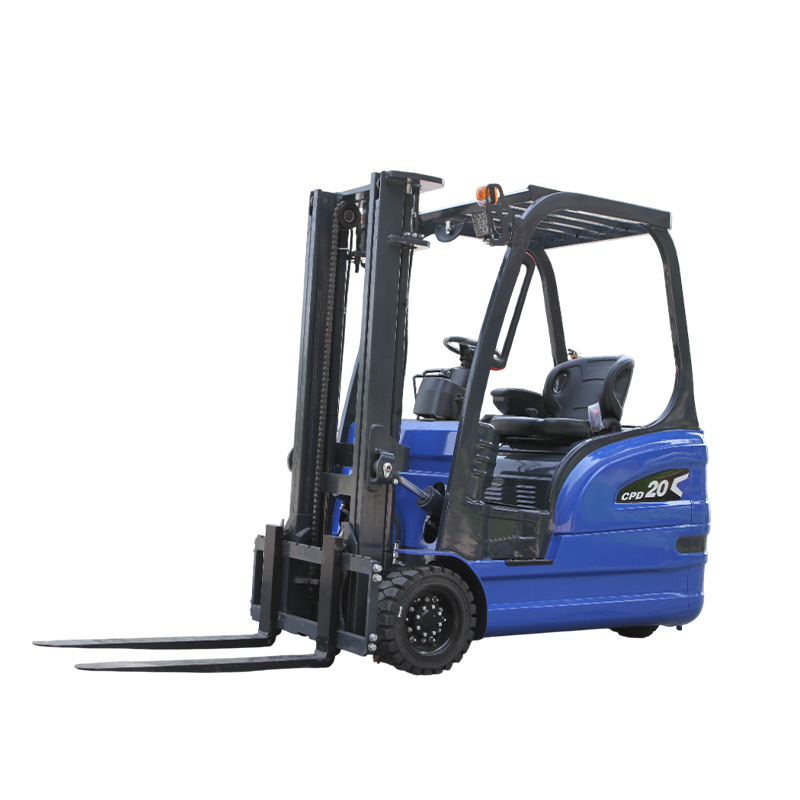
Increased Operational Efficiency with Heavy Duty Electric Pallet Trucks
How Electric-Powered Lift and Drive Systems Enable Faster Material Handling
Electric pallet trucks built for heavy duty work really boost how materials get moved around warehouses these days. They come equipped with powerful drive systems that can hit speeds of around 9 miles per hour, which is roughly three times quicker than what someone could manage pushing stuff manually across the floor. The electric motors respond instantly without any of that annoying hydraulic delay we see in older models, so they lift those big loads weighing up to 8,000 pounds almost immediately. This makes them especially good for busy factories where space is tight and efficiency matters most. According to research published last year in the field of logistics, facilities switching to electric versions saw their loading and unloading processes cut down by nearly a quarter because these machines accelerate fast and handle delicate positioning much better than traditional options do.
Time Savings in Material Handling Operations with Automated Controls
Automated speed modulation and braking reduce operator fatigue during repetitive workflows. Pre-set lift heights and programmable load thresholds ensure consistent positioning, cutting repositioning errors by 43%, according to automation audits.
Case Study: 40% Throughput Improvement in a Distribution Center
A national retailer boosted throughput by 40% within three months of deploying electric pallet trucks. The fleet’s dual-pallet capacity and 10-hour battery life enabled uninterrupted cross-docking, eliminating manual jack changeovers during peak operations.
Maximizing Productivity with Reduced Cycle Times
Regenerative braking recovers 15% of kinetic energy during deceleration, extending productive uptime per charge. Real-time load sensors optimize travel paths, reducing average pallet-move distances by 22% in aisle-to-dock operations.
Trend: Integration with Warehouse Management Systems for Real-Time Efficiency Tracking
Modern electric pallet trucks feature IoT-enabled telematics that integrate with warehouse management systems (WMS), delivering live data on operator performance, energy use, and maintenance alerts. This connectivity has reduced unplanned downtime by 31% in pilot facilities.
Enhanced Warehouse Efficiency During Peak Seasons with Reliable Performance
During high-demand periods, electric models maintain 98.6% operational reliability—significantly higher than the 84% seen with manual alternatives—ensuring stable throughput under triple-shift conditions.
Significant Cost Savings Over the Equipment Lifecycle
Long-term operational cost reduction vs. internal combustion trucks
Electric pallet trucks offer 50% lower energy costs and 30% less maintenance over five years compared to internal combustion (ICE) models. By eliminating fuel dependency and engine-related repairs, and leveraging automated diagnostics, these units avoid the mechanical failures common in diesel-powered equipment.
Low maintenance design reduces downtime and service expenses
Brushless motors and sealed battery compartments reduce lubrication needs by 80% versus traditional forklifts. With fewer moving parts and predictive maintenance alerts, facilities experience 45% less unplanned downtime—critical for continuous operations.
Energy efficiency and environmental benefits cut utility and compliance costs
Regenerative braking recovers 15–20% of energy during deceleration, prolonging battery life and supporting emissions compliance. Companies using electric fleets avoid over $8,500 annually in carbon taxes per vehicle in regulated markets and strengthen eligibility for ISO 14001 certification.
Data insight: 3-year TCO analysis showing 35% savings
A 2024 logistics study comparing 80 electric and 80 ICE pallet trucks revealed:
| Cost Factor | Electric Models | ICE Models |
|---|---|---|
| Energy/Fuel | $18,200 | $41,500 |
| Preventive Maintenance | $9,800 | $27,400 |
| Regulatory Compliance | $2,100 | $11,300 |
| 3-Year Total | $304,000 | $465,000 |
The 35% total cost of ownership (TCO) advantage allows electric models to pay for themselves within 18–24 months, with savings expected to grow as battery technology advances.
Improved Workplace Safety and Operator Wellbeing
Enhanced Ergonomics and Operator Safety Reduce Injury Rates
The latest electric pallet trucks featuring ergonomic designs have cut down on musculoskeletal issues by around 34% for warehouse workers according to a study from Industrial Safety Review last year. Things like adjustable controls and seats that absorb shocks help cut down on physical stress when working those long hours. About 72% of people who operate these machines report feeling less tired after switching to ergonomically designed models in various workplace tests. Looking at accident rates, there's been a noticeable difference too. Companies that made the switch saw about 28% fewer injuries recorded with OSHA than before when they were still using old fashioned manual lifting gear.
Reduced Physical Strain Leads to Lower Workers’ Compensation Claims
Electric lifting mechanisms eliminate manual pumping, reducing upper body strain by 41%. This results in 19% fewer workers’ compensation claims related to shoulder and back injuries, translating to average annual savings exceeding $18,000 per 100 operators.
Controversy Analysis: Automation vs. Job Displacement Concerns in Manual Handling Roles
While automation raises concerns, 62% of logistics managers report workforce anxiety about job displacement (Logistics Workforce Survey 2024). Forward-thinking operations mitigate this through cross-training, successfully redeploying 89% of affected workers into inventory management and equipment maintenance roles that complement automated systems.
Safety Innovations in Heavy Duty Electric Pallet Trucks That Prevent Accidents
Equipped with 360° sensors and automatic braking, collision prevention systems have cut impact incidents by 53% in narrow-aisle warehouses (Material Handling Quarterly 2023). Optional blue safety lighting enhances visibility for pedestrians, reducing near-miss events by 67% during busy night operations.
High Load Capacity and Exceptional Durability for Demanding Environments
High Weight Capacity of Electric Pallet Trucks Supports Industrial-Grade Loads
Modern heavy duty electric pallet trucks handle loads from 5,000 to 15,000 lbs—up to three times the capacity of standard models. Integrated load-sensing technology prevents overloading while ensuring precise control, making them suitable for transporting machinery, raw materials, and stacked goods without sacrificing maneuverability.
Durability and Long-Term Performance in Harsh Warehouse Environments
Robust all-terrain wheels and sealed hydraulic systems resist damage from metal shavings, chemical exposure, and extreme temperatures (-4°F to 122°F). Corrosion-resistant zinc-nickel alloy frames show only 0.08% deformation after 200,000+ lift cycles—94% less wear than galvanized steel counterparts.
Case Study: 24/7 Operation in Steel Manufacturing Plant with Zero Failures Over 18 Months
A Midwest steel coil distributor achieved 98.6% uptime across three shifts using electric pallet trucks. Units transported 2.3 million pounds daily through acid-wash zones and areas with electromagnetic interference, experiencing no electrical failures—a 79% improvement over their previous ICE fleet.
Trend: Reinforced Chassis Designs Extending Equipment Lifespan
Manufacturers now employ robotically welded high-strength steel (HSS) chassis with full-coverage impact protection, increasing mean time between failures (MTBF) to 9,100 hours—62% beyond ISO 3691-2020 standards. Independent testing confirms these units retain 91% of structural integrity after a decade of heavy use.
Energy Efficiency and Sustainability Benefits of Electric-Powered Systems
Long Battery Life Reduces Charging Frequency and Energy Consumption
Lithium-ion batteries in modern heavy duty electric pallet trucks provide 18–24 hours of operation per charge, reducing energy use by 27% compared to lead-acid systems. Facilities upgrading their fleets have cut daily charging cycles from three to one, achieving annual energy savings of $18,000 per truck.
Zero Emissions Contribute to Green Warehouse Certifications
Electric models produce no tailpipe emissions and operate at 52 dB—below OSHA’s 55 dB noise limit. This supports LEED and BREEAM certification by lowering Scope 2 emissions. A 2023 Material Handling Institute report found that 68% of certified green warehouses rely on electric pallet trucks as key elements of their decarbonization strategies.
Strategy: Aligning Fleet Upgrades with Corporate Sustainability Goals
Companies integrating electric pallet truck deployments into broader ESG initiatives achieve 19% faster ROI by accessing utility rebates and tax incentives tied to energy efficiency. These strategic upgrades align material handling improvements with net-zero targets.
Reduced Manual Labor and Improved Efficiency Free Up Staff for Value-Added Tasks
Automated load positioning and regenerative braking reduce operator effort, allowing staff to focus on inventory optimization and quality assurance. Distribution centers report a 31% decline in manual pallet handling hours after adoption, reallocating over 450 annual labor hours per employee to higher-value supervisory responsibilities.
FAQs
What is the advantage of using electric pallet trucks over traditional models?
Electric pallet trucks significantly boost operational efficiency by reducing cycle times, lowering maintenance costs, and improving workplace safety with ergonomic designs, thereby cutting injury rates.
How do electric pallet trucks contribute to sustainability goals?
Electric pallet trucks produce zero emissions, operate quietly, and consume less energy, supporting green certifications like LEED and BREEAM, aiding companies in achieving their sustainability targets.
What are the cost benefits of electric pallet trucks?
They offer a 50% reduction in energy costs and 30% less maintenance over five years compared to internal combustion models, effectively paying for themselves within 18–24 months.
How do electric pallet trucks enhance workplace safety?
With 360° sensors and automatic braking systems, electric pallet trucks significantly reduce accident rates, making the workplace safer for operators and pedestrians alike.
Table of Contents
-
Increased Operational Efficiency with Heavy Duty Electric Pallet Trucks
- How Electric-Powered Lift and Drive Systems Enable Faster Material Handling
- Time Savings in Material Handling Operations with Automated Controls
- Case Study: 40% Throughput Improvement in a Distribution Center
- Maximizing Productivity with Reduced Cycle Times
- Trend: Integration with Warehouse Management Systems for Real-Time Efficiency Tracking
- Enhanced Warehouse Efficiency During Peak Seasons with Reliable Performance
- Significant Cost Savings Over the Equipment Lifecycle
- Improved Workplace Safety and Operator Wellbeing
- High Load Capacity and Exceptional Durability for Demanding Environments
- High Weight Capacity of Electric Pallet Trucks Supports Industrial-Grade Loads
- Durability and Long-Term Performance in Harsh Warehouse Environments
- Case Study: 24/7 Operation in Steel Manufacturing Plant with Zero Failures Over 18 Months
- Trend: Reinforced Chassis Designs Extending Equipment Lifespan
- Energy Efficiency and Sustainability Benefits of Electric-Powered Systems
- FAQs