
 EN
EN
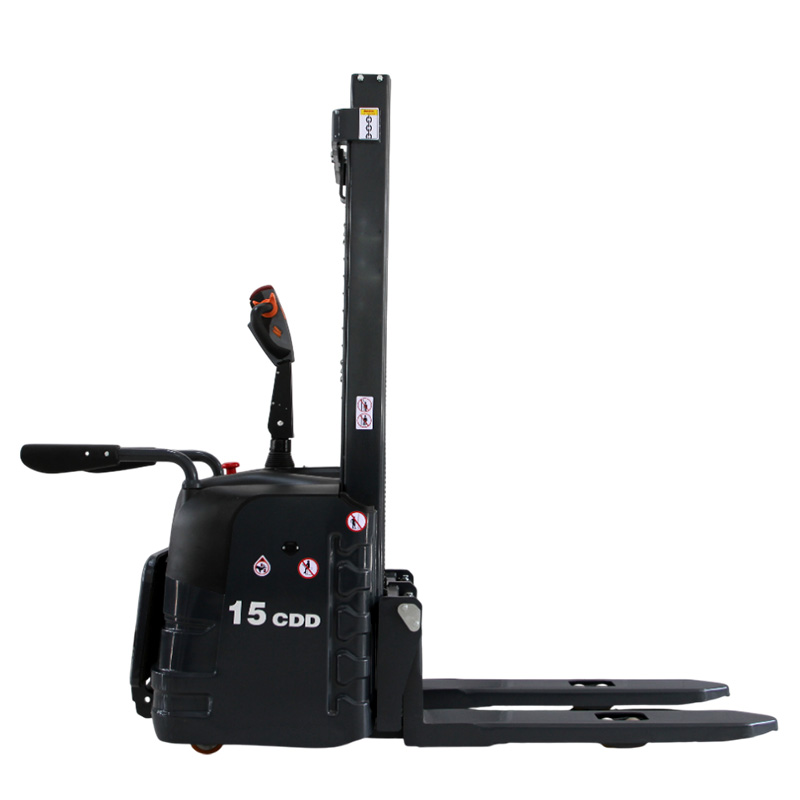
בחירת מכונת העילוי הנכונה לפעולות המחסן
התאמת סוג מכונת העילוי לקapasיטת המטען, דרישות הגובה והגבלות שטח העבודה
לקבלת המניע הרצוי יש לוודא שהתכונות שלו מתאימות לשלושה גורמים מהעולם האמיתי. בדקו אם כושר הנשיאה יכול להתמודד עם הפריטים הכבדים שנישאים באופן קבוע במתקנה. עקיפת היכולת המרבית תביא כנראה לפגמים ובהחלט תפר את חוקי ה-OSHA בנוגע לפעולת בטיחות. לאחר מכן, בדקו את הגובה הזמין בין המדפים לתקרת המתקנה. חלק מהמניעים יכולים להגיע לגובה של עד 12 מטרים, אחרים מגיעים רק למקסימום של כ־6 מטרים. אל תינעו אחרי מספרים על נייר; בחרו על סמך צרכים ממשיים להרמה. במרחבים צרים, שבהם המעברים צרים, השתמשו במניעים קומפקטיים מסוג 'Straddle' שיכולים לעבור דרך פתחים צרים מ־1.2 מטר. במפעלי אחסון בעלי אזורים צפופים לטעינה, ייתכן שתרצו לבחור במניעים מסוג 'Articulated' שיכולים לפנות בצורה חדה עם גמישות פניה של כ־80 מעלות. במתקנות שמתמודדות עם פלטות בגודלים שונים, יש צורך בשיניים שמתאימות בקלות, מאחר שגודל אחד נדיר מאוד שיתאים לכל הצרכים. דו"ח האוטומציה של MHI משנת 2023 מדגיש למעשה משהו די מפתיע: כמעט שבעה מתוך עשרה מנהלי מחסנים מאשימים את אי התאמה של הציוד כגורם המגביל העיקרי שלהם בעת ניסיון להגביר את קצב הזרימה.
מונע חשמלי לעומת מונע ידני: הערכת תפוקה, עייפות הפעלת המפעיל והעלות הכוללת בעלות
בעת קבלת החלטה בין מטוסים חשמליים וידניים, רוב העסקים מגלים שאותם יש לקחת בחשבון יותר מאשר רק את המחיר הנמוך ביותר במבט ראשון. ההבדל האמיתי נובע מהכמות של העבודה שעליה יש לטפל ומההשפעה על העובדים מיום ליום. מטוסים חשמליים יכולים להתמודד עם כמות עבודה כפולה בערך לעומת המטוסים הידניים שלהם, ולנשא כ-80–120 פלטות בשעה לעומת 50–70 פלטות לשעה עבור המטוסים הידניים. זה יוצר הבדל משמעותי כאשר הפעילות מתבצעת במספר משמרות או כשיש צורך לבצע מעל 200 תנועות מדי יום. בהחלט, הדגמים החשמליים יקרים פי שלושה עד חמישה בהתחלה, בדרך כלל בין 12,000–25,000 דולר, לעומת 3,000–8,000 דולר לדגמים הידניים. עם זאת, מרבית החברות מחזירות את ההשקעה תוך כ-18 חודשים, בזכות יעילות עבודה טובה יותר ופחות תקלות. גם המטוסים הידניים אינם חסרי סיכונים. לפי מחקרים של NIOSH, עובדים שעובדים שמונה שעות ביום בהזזת עומסים כבדים כגון פלטות במשקל 500 ק"ג, סבירים יותר ב-40% לסבול מפציעות בגב והשרירים. בחינת העלות הכוללת לאורך חמש שנים חושפת בבירור את הסחר והחילוף הזה עבור מרבית מנהלי המחסנים.
| גורם | מגבשים חשמליים | מגבשים ידניים |
|---|---|---|
| אנרגיה/תחזוקה | 1,200 דולר לשנה | 300$ לשנה |
| יעילות כוח עבודה | אופרטור אחד מנהל שני מכונות | אופרטור מיועד ליחידה אחת |
| הפחתת עייפות | הקטנת המאמץ הפיזי ב-60–70% | דרישה גבוהה ורציפה |
למתקנים שמעדיפים התאמה לדרישות הבטיחות והרחבה ארוכת טווח, מגבשים חשמליים מספקים ערך חזק יותר בהתאם לעקרונות EEAT — במיוחד כאשר הם משולבים באימוני ניהול סוללות ובתהליכי תחזוקה מונבחים.
אופטימיזציה של תכנון המחסן לביצועי המגבשים ולבטיחות
רוחב איזורים, רווח בין מדפים והתאמה למעזנינים — לשם ניווט חלק של המגבשים
תבנית המחסן הנכונה עושה יותר מאשר רק לאפשר את הצבת המטוסים — היא למעשה משפרת את יעילות עבודתם ומעניקה ביטחון רב יותר לעובדים. כשמדובר ברוחבי המעברים, מציאת הנקודה האופטימלית בין נוחות התנועה לבין שיפור תפוסת השטח היא משימה מורכבת. אם המעברים צרים מדי, תאונות מתרחשות באופן קבוע. אך אם הם רחבים מדי, אנו מאבדים שטח אחסון יקר. החוויה מלמדת כי רוב המחסנים פועלים בצורה חלקה עם מעברים ברוחב של 2.4 עד 3 מטרים (בערך 8–10 רגל). טווח זה מתאים מצוין למטוסים חשמליים רגילים, ללא צורך בגירסאות יקרות במיוחד למעברים צרים, אשר רבות מהפעלות הקטנות לא יכולות להרשות בכל מקרה.
להשיג את הרווח הנכון בין המזננות פירושו להתייחס לשני הכיוונים העיקריים. מבחינת המרחב האופקי בין המזננות, יש להשאיר לפחות 6–8 אינץ' נוספים מעבר לרוחב המזנון הרחב ביותר יחד עם כל ציוד ההעלאה שיישתמש במקום. זה נותן לעובדים מקום להזדחל בבטחה ומאפשר התאמות קטנות כאשר הדברים אינם מיושרים באופן מושלם. מבחינת המרחב האנכי, יש תמיד לשמור על רווח ריק של לפחות 6 אינץ' מעל המזנון המורם הגבוה ביותר, גם לאחר שהועלה במלואו. אחרת קיים סיכון להתנגשות במבנים תחתיים של התקרה, במערכות ניפוץ אש או באורות המחסן. המספרים המדויקים הנדרשים כאן תלויים במידה רבה בגובה המרבי שאליו מסוגל הציוד להרים מטענים, וכן בסוג מערכת העמודים שמותקנת בו. קבלת המדידות הנכונות אינה רק עניין של עמידה בדרישות טכניות – אלא עניין של ודאות שהפעילות תפעל חלקית יום אחרי יום, ללא בעיות לא צפויות.
הוספת קומות ביניים לחללי מחסן מביאה עמה אתגרים מבניים נוספים הדורשים שיקול דעת. עבור רמפות, חשוב לשמור על שיפוע מתחת ל-10% כדי שהמטען יישארו יציב בעת עלייה או ירידה. מעליות משא אינן עוסקות רק בהרמת המטען עצמו, הן צריכות להתמודד גם עם ציוד הערימה וגם עם כל מה שמוזז יחד. מהנדסי מבנים ירצו לבדוק שוב כמה משקל כל קומה יכולה לשאת בפועל, בהתאם להמלצות ASCE 7-22 המציעות לפחות פי 1.5 מהעומס הסטטי הכולל כאזור חיץ בטוח. כאשר כל האלמנטים הללו מטופלים כראוי, גם מחסנים רואים שיפורים אמיתיים. זמני הנסיעה יורדים בכ-15 עד 20 אחוז בממוצע, ומצבי נקודה מתה מביכים שבהם עובדים עלולים לפספס משהו מתבטלים לחלוטין. פתאום תכנון הפריסה הופך ליותר מניהול חלל בלבד, הוא הופך לאמצעי בטיחות רציני עבור כל המעורבים.
יישום תהליכי ערימה בטוחים ויעילים עם המניפלטור שלכם
יציבות המטען, שלמות הפאלט והנחיות הטובות ביותר לאחסון אנכי
מטענים יציבים הם קריטיים לשמירה על שלמות המוצרים ולבטיחות העובדים באתר העבודה. בעת טעינת פאלטים, התפזרו את המשקל באופן אחיד כדי שלא יתרכז יתר על המידה באחד הצדדים. הניחו את הפריטים הכבדים בתחתית, שם הם צריכים להיות. גישה בסיסית זו מצמצמת את הסיכוי לתופעות נפילה במהלך פעולות הערימה במעל מחצית מהמקרים. לפני שמעלים כל מטען, עיינו במהרה בפאלט עצמו. פאלטים שסדקים בהם או שנשחקו מהווים סיכון, ומחסנים דיווחו על עלייה של כ־40% בסיכוי לקריסות כאשר משתמשים בעץ פגום. באחסון אנכי יש לפעול בהתאם להנחיות הגובה שיצרני הציוד מדפיסים ישירות על הציוד. אל תשכחו שהמספרים משתנים כאשר הדברים זזים לעומת מצבם הנייח. הדבקו בשיטות המוכחות הללו וכולם יישארו בטוחים תוך ביצוע העבודה.
- השתמש בדפוסים של חסימה (למשל, לבנה או פירמידה) עבור פריטים לא סדירים או לא יציבים
- להתקין גדרות הגנה על רמות מדף מעל 1.8 מ' כדי למנוע נפילות בטעות בעת מיקום או איסוף
- לעולם לא יעלה על 85% מכוח משקל הרקטה המפורסם כדי לשמור על אורך החיים של המבנה
- לבצע בדיקות שבועיות של שלמות חזותית על עומסים גבוהיםבהעדיפות אלה המאוחסנים בגובה 3 מטרים
שילוב סטייקר לזרם העבודה של המחסן: סינכרון ציוד, מדפים, והכשרה של צוות
אינטגרציה אמיתית אינה עוסקת רק בכך שדברים יתאימו זה לזה פיזית. היא כוללת את הבטחת הפעולה האפקטיבית של כל הרכיבים כמערכת אחת, כולל המכונות עצמן, תכנון המבנה והאופן שבו אנשים מפעילים אותן בפועל ביום-יום. בעת בחינת תאימות הגודל כשלב הראשון, יש לבדוק אם גובה עמוד המניע מתאים למדרכות המחסן, לוודא שרדיוס הסיבוב מאפשר תנועה חלקה מסביב לפינות, ולאמת שהרוחב הכולל מתאים לדלתות המזנין ללא התאמות חוזרות ונשנות. השימוש בגודלי פלטות סטנדרטיים, כגון פלטה נפוצה של GMA בגודל 48 על 40 אינץ', מקל במידה רבה על החיבור בין סוגי ציוד שונים — מהמניעים ועד רצועות ההובלה ואף פתרונות אחסון אוטומטיים. מרבית המחסנים מגלים כי הסטנדרטיזציה הזו חוסכת זמן ומחסלת תחושת תסכול במהלך הפעולות.
תlayouts של מערכות אחסון חייבים לתמוך בגמישות מבצעית: לשמור על רוחב פנוי עליון קבוע של 6 אינץ' בכל האזורים; להשתמש ברמת מדפים עם צביעת קודי צבע (למשל, כחול למדפים נמוכים, אדום למדפים גבוהים) כדי לכוון את החלטות המפעילים; ולהתקין רמות קרשים מתכווננות כדי להתאים במהירות לשינויי מלאי עונתיים או שיווקיים.
לבסוף, להשקיע בהכשרה מבנית לעובדים – לא בסקריפט היכרות, אלא באישור מקצועי. נתוני הסטנדרטיזציה של MHI משנת 2023 מראים שתוכניות מקיפות מפחיתות שגיאות פרוצדורליות ב-60%. התוכנית הנדרשת כוללת:
- יסודות של איזון עומסים וטכניקות ויזואליזציה של מרכז הכובד
- רשימות ביקורת לפני הפעלה, אשר מאושרות תקן ANSI/ITSDF B56.1
- תגובה חירומית צעד אחר צעד במקרה של הטייה, כולל פרוטוקולי השבתה ומסלולי פינוי
- טעינת סוללות, ניטור רמת הטעינה (State-of-Charge) וניהול חום עבור יחידות חשמליות
אימון צוות מבצעים במקביל על פלטפורמות ידניות ואלקטריות מגדיל את עמידות הפעילות – מקטין תקריות הקשורות לעייפות ומבטיח רציפות במהלך תחזוקה או החלפת ציוד.
שאלות נפוצות
מה ההבדל בין מחסנונים חשמליים למחסנונים ידניים?
מחסנונים חשמליים יכולים להתמודד עם כמות עבודה כפולה בערך לעומת מחסנונים ידניים, ומפחיתים באופן משמעותי את עייפות המבצע. עם זאת, עלותם הראשונית גבוהה יותר.
איך קובעים איזה מחסנון מתאים למיכל שלכם?
שקלו את קיבולת המטען, את דרישות הגובה ואת מגבלות שטח העבודה. ודאו שהמחסנון מסוגל להתמודד עם הצרכים הספציפיים שלכם להרמה ולנוע בבטחה בתוך תכנון המיכל.
למה תכנון המיכל חשוב לביצועי המחסנון?
תכנון מיכל טוב מפחית את סיכוני התאונות ושפר את יעילות המחסנון, בכך שמבטיח רוחב מדרכות מספיק, מרחק בטוח מהמדפים ותאימות מבנית.
איך אפשר לשפר את הבטיחות במיכל בעת השימוש במחסנונים?
לממש פרקטיקות בטוחות של הצטברות, בדיקות תקינות קבועות של פלטות, ולוודא הכשרה מתאימה לעובדים המפעילים את המניפלים. עדכונים בתכנון המחסן שלכם יכולים גם לשפר את הבטיחות.