
 EN
EN
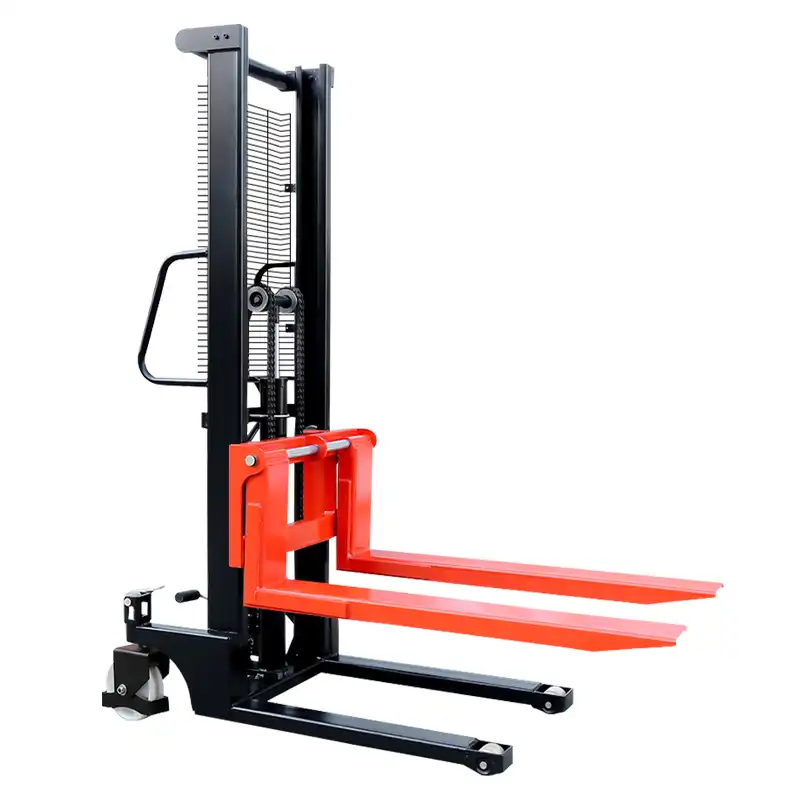
पावर स्रोत वर्गीकरण: मैनुअल, सेमी-इलेक्ट्रिक और पूर्ण रूप से इलेक्ट्रिक स्टैकर
मैनुअल स्टैकर: हल्के कार्यों के लिए कम लागत वाले, मानव-संचालित समाधान
मैनुअल स्टैकर हाइड्रोलिक पंप का उपयोग करके काम करते हैं, जिन्हें बिजली या बैटरी के बजाय मानव शक्ति की आवश्यकता होती है। ये छोटे गोदामों के लिए एक उत्कृष्ट विकल्प हैं जिनके पास सीमित बजट है, या ऐसे स्थान जहाँ नियमित रूप से अधिक स्टैकिंग की आवश्यकता नहीं होती है। कर्मचारी केवल हैंडल को पंप करके 1500 किग्रा तक के भार को उठा सकते हैं, और दिशा-निर्देशन के लिए वे केवल अपने पैरों से धक्का देते हैं। मूल डिज़ाइन के कारण टूटने वाले भागों की संख्या कम होती है, इसलिए मरम्मत के खर्च भी कम रहते हैं। लेकिन आइए सच्चाई को स्वीकार करें—लगातार कुछ घंटों तक पंप करने के बाद कोई भी व्यक्ति काफी थक जाएगा। ये मशीनें वास्तव में उन स्थानों पर अपनी प्रभावशीलता दिखाती हैं जहाँ दिनभर में कम पैलेट्स का संचालन होता है, शायद दोपहर तक अधिकतम 20 उठाने की सीमा हो।
ऑपरेटर इंटरफ़ेस और गतिशीलता डिज़ाइन: पैदल चलने वाले, राइड-ऑन और स्ट्रैडल स्टैकर
गोदाम स्टैकर का चयन इस बात पर निर्भर करता है कि ऑपरेटर उपकरण के साथ कैसे बातचीत करते हैं और सुविधा के लेआउट में कैसे नेविगेट करते हैं। दो प्रमुख डिज़ाइन—पैदल चलने वाले और राइड-ऑन—कार्यप्रवाह की तीव्रता, स्थान की सीमाएँ और संचालन के पैमाने के अनुरूप विशिष्ट लाभ प्रदान करते हैं।
संकरी गलियों में चलने और ऑपरेटर नियंत्रण के लिए पैदल चलने वाले स्टैकर
पैदल चलने वाले स्टैकर, जिनका संचालन पीछे से किया जाता है, ऑपरेटर को संकरी जगहों पर काम करते समय काफी बेहतर नियंत्रण प्रदान करते हैं। गोदाम के कर्मचारी इन मशीनों को उनके संवेदनशील हैंडल के कारण छह फुट से भी कम चौड़ाई की संकरी गलियों में आसानी से नियंत्रित कर सकते हैं। यही कारण है कि ये शेल्फ़ों से भरे गोदामों में बहुत लोकप्रिय हैं, जहाँ प्रत्येक इंच मायने रखता है। इन स्टैकरों का छोटा आकार इस बात को सुनिश्चित करता है कि कर्मचारियों के चारों ओर घूमने के दौरान कम दुर्घटनाएँ होती हैं, साथ ही साथ माल को ऊर्ध्वाधर रूप से स्टैक करते समय ऊँची शेल्फ़ों पर क्या रखा गया है, यह देखना भी आसान हो जाता है। एमएचआई की एक हालिया रिपोर्ट के अनुसार, पैदल चलने वाले स्टैकर का उपयोग करने वाली कंपनियों में गलियों में किसी वस्तु से टकराने के कारण होने वाले नुकसान गत वर्ष की तुलना में लगभग एक तिहाई कम दर्ज किए गए। अधिकांश दैनिक कार्यों के लिए, विशेष रूप से उन कार्यों के लिए जिनमें तेज़ गति की बजाय बार-बार मोड़ने और बाधाओं के चारों ओर नेविगेट करने की आवश्यकता होती है, ये धीमी गति वाली मशीनें वास्तव में अपनी तेज़ गति वाली समकक्ष मशीनों की तुलना में बेहतर काम करती हैं।
राइड-ऑन स्टैकर्स: उच्च मात्रा वाले पिकिंग वातावरण में ऑपरेटर दक्षता को बढ़ाना
राइड-ऑन स्टैकर्स वास्तव में बड़े वितरण केंद्रों में उत्पादकता को बढ़ाते हैं, जहाँ कर्मचारी इन मशीनों को संचालित करते समय या तो बैठ सकते हैं या खड़े रह सकते हैं। अंतर्निर्मित त्वरण नियंत्रण और चिकनी यात्रा के कारण ऑपरेटर लंबे समय तक कार्य करने के बाद भी ताज़ा महसूस करते हैं, जिसका अर्थ है कि वे अपनी पूरी शिफ्ट के दौरान वस्तुओं को तेज़ी से पिक कर सकते हैं। लॉजिस्टिक्स ऑटोमेशन के क्षेत्र में 2024 में किए गए हालिया शोध के अनुसार, लगभग 1,00,000 वर्ग फुट से अधिक क्षेत्रफल वाली सुविधाओं में, चलकर कार्य करने के बजाय इन स्टैकर्स पर सवार होने पर प्रति घंटा गतिमान पैलेट्स की संख्या में लगभग 22 प्रतिशत की वृद्धि देखी गई। ये मशीनें व्यस्त गोदामों के लिए इतनी अच्छी क्यों हैं? खैर, ये ऑपरेटरों को ऊपर से बेहतर दृश्यता प्रदान करती हैं और उपयोगकर्ता-अनुकूल नियंत्रण से सुसज्जित होती हैं, जो आने-जाने वाले माल के साथ निपटने वाले स्थानों, जैसे क्रॉस-डॉकिंग क्षेत्रों या एक साथ बड़े ऑर्डर के पूरा करने के दौरान, बिल्कुल उपयुक्त होते हैं।
वेयरहाउस की आवश्यकताओं के अनुसार स्टैकर प्रकारों का मिलान: भार, ऊँचाई, गलियारा और प्रवाह दर
इष्टतम का चयन करना स्टैकर चार महत्वपूर्ण संचालन कारकों के साथ सटीक संरेखण की आवश्यकता होती है:
- भार क्षमता एवं गतिशीलता: स्टैकरों को अधिकतम पैलेट भार को सुरक्षित रूप से संभालने में सक्षम होना चाहिए। मैनुअल इकाइयाँ आमतौर पर ≤1,000 किग्रा तक का समर्थन करती हैं, जबकि पूर्ण रूप से विद्युत चालित संस्करण भारी औद्योगिक अनुप्रयोगों के लिए 2,500 किग्रा तक का भार संभाल सकते हैं। अतिवृद्ध या अनियमित आकार के वस्तुओं के लिए विशिष्ट क्लैम्प अटैचमेंट की आवश्यकता हो सकती है।
- उत्थान ऊँचाई एवं रैकिंग विन्यास: पैदल चलने वाले स्टैकर 2.2 मीटर से कम ऊँचाई के रैकिंग टियर के लिए अनुकूलित होते हैं। 6 मीटर से अधिक ऊँचाई वाले हाई-बे वेयरहाउस के लिए, रीच-सक्षम विद्युत स्टैकर सुरक्षित उत्थान प्रदान करते हैं तथा फ़ॉर्क स्थिति निर्धारण की सटीकता 5 मिमी के भीतर होती है—जो रैक टकराव को रोकने के लिए अत्यंत महत्वपूर्ण है।
- गलियारा चौड़ाई की प्रतिबंधन: अर्ध-विद्युत ढेर लगाने वाली मशीनों के लिए स्थिर मैन्युवरिंग के लिए न्यूनतम गलियारा चौड़ाई 1.6 मीटर की आवश्यकता होती है। 1.2 मीटर से कम चौड़ाई वाले अत्यंत संकरे गलियारों में, पीछे की ओर कार्टिलेज़्ड स्टीयरिंग वाले कम ऊँचाई वाले स्ट्रैडल डिज़ाइन उत्पादकता को अधिकतम करते हैं—जो पारंपरिक मॉडलों की तुलना में यात्रा दूरी को 40% तक कम कर देते हैं।
- उत्पादकता की आवश्यकताएँ: जो सुविधाएँ प्रतिदिन 200+ पैलेट्स की प्रसंस्करण क्षमता रखती हैं, वे 10 किमी/घंटा की यात्रा गति और त्वरित चार्जिंग के साथ राइड-ऑन विद्युत ढेर लगाने वाली मशीनों से लाभान्वित होती हैं। जो संचालन प्रतिदिन 50 से कम पैलेट्स का संचालन करते हैं, उनके लिए मैनुअल या अर्ध-विद्युत मॉडल ऊर्जा लागत को 70% तक कम कर देते हैं, बिना कार्यक्षमता में कमी किए।
जिन गोदामों में मानक 3 मीटर ऊँचे रैकिंग सिस्टम, संकरी 1.5 मीटर चौड़ी गलियाँ और सामान्य 150 किग्रा के पैलेट लोड हैं, वे आमतौर पर सेमी-इलेक्ट्रिक पैदल चलने वाले स्टैकर्स के साथ सबसे अच्छा प्रदर्शन करते हैं। ये मशीनें कर्मचारियों को भारी वस्तुओं को हाथ से उठाने से बचाने, तंग स्थानों में आसानी से चलने और अधिकांश संचालनों के लिए बजट सीमाओं के भीतर रहने के बीच एक अच्छा संतुलन बनाए रखती हैं। दूसरी ओर, बड़े ठंडे भंडारण गोदाम जो उच्च मात्रा में काम करते हैं, उन्हें पूर्णतः इलेक्ट्रिक राइड-ऑन स्टैकर्स की आवश्यकता होती है, जिनमें ठंडे वातावरण के लिए विशेष रूप से अनुमोदित बैटरियाँ होती हैं, ताकि वे ठंडी परिस्थितियों में लंबी 8 घंटे की पालियों के दौरान विश्वसनीय रूप से काम करते रह सकें। हालाँकि, कोई भी खरीद निर्णय लेने से पहले, उचित लोड परीक्षणों का उपयोग करके वास्तविक कार्य परिस्थितियों के तहत इन स्टैकर्स की स्थिरता का वास्तविक परीक्षण करना उचित होता है। साथ ही, अनुभवी उपकरण सलाहकारों से सीधे बातचीत करना भी सहायक होती है, जो तकनीकी रूप से संभव को उससे मेल खाने में मदद करती है जो वास्तव में साइट पर दिन-प्रतिदिन के संचालन के आधार पर काम करता है।
अक्सर पूछे जाने वाले प्रश्न
मैनुअल, सेमी-इलेक्ट्रिक और पूर्णतः इलेक्ट्रिक स्टैकर्स के बीच मुख्य अंतर क्या हैं?
मैनुअल स्टैकर्स को संचालित करने के लिए मानव शक्ति की आवश्यकता होती है, जिसमें हाइड्रोलिक पंप का उपयोग किया जाता है। सेमी-इलेक्ट्रिक स्टैकर्स में मैनुअल प्रयास और कुछ विद्युत शक्ति का संयोजन होता है, जिससे पूर्णतः मैनुअल संचालन की आवश्यकता कम हो जाती है। पूर्णतः इलेक्ट्रिक स्टैकर्स संपूर्ण रूप से विद्युत द्वारा संचालित होते हैं, जो अधिक दक्षता और उपयोग की सुविधा प्रदान करते हैं।
संकरी गलियों में संचालन के लिए पैदल चलने वाले स्टैकर्स को क्यों प्राथमिकता दी जाती है?
पैदल चलने वाले स्टैकर्स तंग स्थानों में बढ़ी हुई नियंत्रण क्षमता और गतिशीलता प्रदान करते हैं। उनकी संक्षिप्त डिज़ाइन उन्हें दुर्घटनाओं के बिना संकरी गलियों में नेविगेट करने के लिए आदर्श बनाती है, और यह ऑपरेटर्स को सामान को स्टैक करते समय ऊँची शेल्फ़ों को आसानी से देखने की अनुमति देती है।
उच्च-मात्रा वाले वातावरण में राइड-ऑन स्टैकर्स उत्पादकता को कैसे बढ़ाते हैं?
राइड-ऑन स्टैकर्स ऑपरेटर्स को संचालन के दौरान बैठने या खड़े होने की सुविधा प्रदान करते हैं, जिससे अधिक सुविधा और दृश्यता प्राप्त होती है। यह दक्षता को बढ़ाता है, क्योंकि कर्मचारी बड़ी सुविधाओं में कम थकान के साथ वस्तुओं को तेज़ी से उठा सकते हैं, जिससे उत्पादन क्षमता में सुधार होता है।
भंडार आवश्यकताएँ स्टैकर के चयन को किस प्रकार प्रभावित करनी चाहिए?
स्टैकर का चयन करते समय लोड क्षमता, उत्थान ऊँचाई, गलियारे की चौड़ाई की सीमाएँ और उत्पादन की मांग को ध्यान में रखना चाहिए। इन कारकों को संबोधित करने से यह सुनिश्चित होता है कि चुना गया उपकरण संचालनात्मक आवश्यकताओं के अनुरूप हो, जिससे दक्षता अधिकतम हो और लागत न्यूनतम हो।
सामग्री की तालिका
- पावर स्रोत वर्गीकरण: मैनुअल, सेमी-इलेक्ट्रिक और पूर्ण रूप से इलेक्ट्रिक स्टैकर
- ऑपरेटर इंटरफ़ेस और गतिशीलता डिज़ाइन: पैदल चलने वाले, राइड-ऑन और स्ट्रैडल स्टैकर
- वेयरहाउस की आवश्यकताओं के अनुसार स्टैकर प्रकारों का मिलान: भार, ऊँचाई, गलियारा और प्रवाह दर
-
अक्सर पूछे जाने वाले प्रश्न
- मैनुअल, सेमी-इलेक्ट्रिक और पूर्णतः इलेक्ट्रिक स्टैकर्स के बीच मुख्य अंतर क्या हैं?
- संकरी गलियों में संचालन के लिए पैदल चलने वाले स्टैकर्स को क्यों प्राथमिकता दी जाती है?
- उच्च-मात्रा वाले वातावरण में राइड-ऑन स्टैकर्स उत्पादकता को कैसे बढ़ाते हैं?
- भंडार आवश्यकताएँ स्टैकर के चयन को किस प्रकार प्रभावित करनी चाहिए?