
 EN
EN
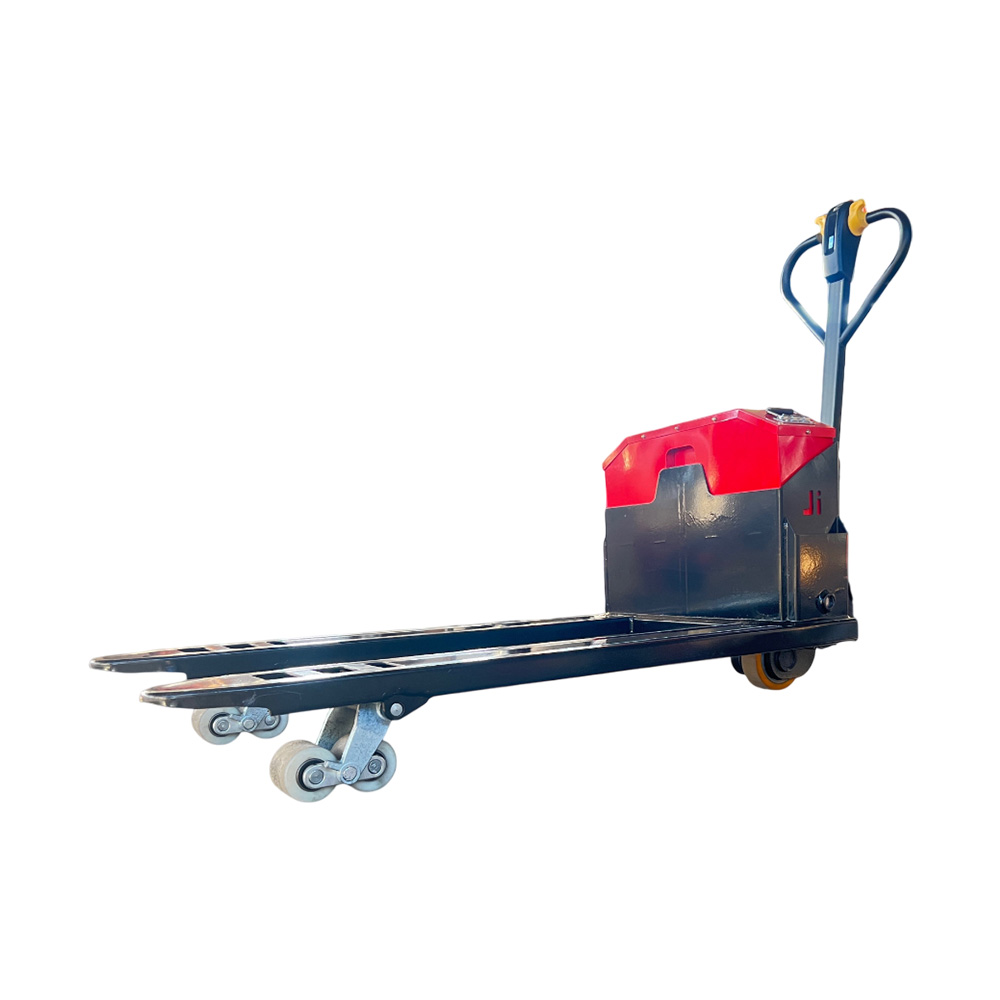
কেন লজিস্টিক্সের জন্য ইলেকট্রিক প্যালেট ট্রাকগুলি পরিচালনাগত উপকারগুলি পরিমাপযোগ্যভাবে বৃদ্ধি করে
উৎপাদন হার ত্বরান্বিত করা: ম্যানুয়াল বিকল্পগুলির তুলনায় ৩০–৪০% দ্রুত চক্র সময়
ইলেকট্রিক প্যালেট ট্রাকগুলি সত্যিই গুদামের দক্ষতা বৃদ্ধি করে, যা ঐতিহ্যবাহী হাতে চালিত জ্যাকগুলির তুলনায় চক্র সময় প্রায় ৩০ থেকে ৪০ শতাংশ কমিয়ে দেয়। শক্তিশালী উত্থান ব্যবস্থা এবং স্থির গতিতে চলার ফলে কর্মীরা কম ক্লান্ত হন, ফলে তারা ধীরগতিতে না হয়ে ভারী বস্তু দীর্ঘ দূরত্ব অতিক্রম করতে পারেন। যেসব গুদাম কঠোর ডেলিভারি সময়সূচীর সাথে কাজ করে, তাদের কাছে এটি প্রতিদিনের কাজের পরিমাণে বিশাল পার্থক্য সৃষ্টি করে—অতিরিক্ত কর্মী নিয়োগ ছাড়াই। ম্যাটেরিয়াল হ্যান্ডলিং ইন্ডাস্ট্রি-এর ২০২৩ সালের প্রতিবেদন অনুযায়ী, হাতে চালিত পদ্ধতি থেকে ইলেকট্রিক ট্রাকে রূপান্তরিত হওয়া কোম্পানিগুলি প্রায় দ্বিগুণ উৎপাদনশীলতা বৃদ্ধি লক্ষ্য করে। এই যন্ত্রগুলি মূলত মানুষের হাতে ভারী লোড নিয়ে সংগ্রামের ফলে ঘটা বিরক্তিকর ধীরগতির সমস্যা দূর করে, যার কারণে আজকাল অগ্রগামী চিন্তাধারার অধিকাংশ গুদামই এই পরিবর্তনটি করছে।
বাস্তব প্রভাব: ডিএইচএল-এর আঞ্চলিক ডিস্ট্রিবিউশন সেন্টার পিকিং থেকে ডিসপ্যাচ সময় ২২% কমিয়েছে
বাস্তব জগতের ফলাফলগুলি এই দক্ষতা দাবিগুলিকে সমর্থন করে। জার্মানিতে ডিএইচএল-এর একটি সুবিধায়, কর্মীরা গুদামের মধ্যে বৈদ্যুতিক প্যালেট ট্রাকগুলি ব্যবহার শুরু করার পর থেকে তাদের পিকিং থেকে শিপিং সময় প্রায় এক চতুর্থাংশ কমে যায়। এটা কেন ঘটেছিল? প্রথমত, কর্মচারীরা আর এতটা ক্লান্ত হতেন না, কারণ তাদের সারাদিন ভারী ভার তোলার প্রয়োজন হত না। দ্বিতীয়ত, ট্রাকগুলি স্থির গতিতে চলত বলে কর্মীরা ভবনের মধ্য দিয়ে ভালোভাবে পরিকল্পনা করে নিতে পারতেন, যার ফলে অপ্রয়োজনীয় আসাযাওয়ায় সময় নষ্ট হত না। এবং তৃতীয়ত, সেই উন্নত নিরাপত্তা বৈশিষ্ট্যগুলি প্রয়োজনের সময় আসলেই কাজ করেছিল। বিশেষ করে ইলেকট্রোম্যাগনেটিক ব্রেকগুলি ব্যস্ত সময়ে অপ্রত্যাশিত থামার সংখ্যা কমাতে সাহায্য করেছিল। এই ধরনের বাস্তব অপারেশনগুলি পর্যবেক্ষণ করলে বোঝা যায় যে, উচ্চ প্রারম্ভিক খরচ সত্ত্বেও কেন কোম্পানিগুলি বৈদ্যুতিক সমাধানে বিনিয়োগ চালিয়ে যাচ্ছে। যখন প্রকৌশলীরা এমন সরঞ্জাম নকশা করেন যা সরাসরি বাস্তব ব্যবসার জন্য দ্রুত টার্নঅ্যারাউন্ড সময়ের মধ্যে রূপান্তরিত হয়, তখনই কঠোর ডেলিভারি সময়সীমা পূরণে সবচেয়ে বড় পার্থক্য তৈরি হয়।
লজিস্টিক্স পরিবেশের জন্য সঠিক ইলেকট্রিক প্যালেট ট্রাক নির্বাচন
উপযুক্ত একটি নির্বাচন ইলেকট্রিক প্যালেট ট্রাক লজিস্টিক্সের জন্য এটি শুধুমাত্র কাগজের উপর উল্লিখিত বিশেষকরণগুলির উপর ভিত্তি করে নয়, বরং লোড ধারণ ক্ষমতা, স্থানিক সীমাবদ্ধতা, ফ্লোর অবস্থা এবং অপারেশনাল ওয়ার্কফ্লো—এই সমস্ত কিছুর মধ্যে ভারসাম্য বজায় রাখতে হয়।
লোড ক্যাপাসিটি (১.৫–৩.০ টন) এবং ম্যানিউভারেবিলিটি-কে অ্যাইল প্রস্থ ও SKU ফ্লো-এর সাথে মিলিয়ে নেওয়া
যখন সরঞ্জামগুলি সুবিধার লেআউট এবং SKU গতির সাথে সঠিকভাবে মিলে যায়, তখন প্রায়শই ১৮–২৫% পর্যন্ত থ্রুপুট উন্নতির প্রতিবেদন করা হয়। এই সঠিক মিলের জন্য গুরুত্বপূর্ণ কারকগুলি হল:
- লোড ম্যাচিং : স্ট্যান্ডার্ড ১.৫–২.০ টন মডেলগুলি পার্সেল-সর্টিং কেন্দ্রগুলির প্রয়োজন পূরণ করে, অন্যদিকে বাল্ক বিতরণ বা ফুড-গ্রেড সুবিধাগুলির জন্য সাধারণত ২.৫–৩.০ টন ক্যাপাসিটি প্রয়োজন হয়।
- অ্যাইল ন্যাভিগেশন : ≤ ৬৮ ইঞ্চি টার্নিং রেডিয়াস সহ ট্রাকগুলি ৯ ফুট প্রস্থের সংকীর্ণ অ্যাইলগুলিতে সহজেই চালানো যায়—যা উচ্চ-ঘনত্বের স্টোরেজ পরিবেশের জন্য অত্যন্ত গুরুত্বপূর্ণ।
- SKU গতিশীলতা উচ্চ-ফ্রিকোয়েন্সি পিকিং অঞ্চলগুলিতে, পূর্ণ-প্যালেট পরিবহন এবং কেস-স্তরের পুনরুদ্ধার উভয়ই সমর্থন করে এমন দ্বৈত-উদ্দেশ্যমূলক মডেলগুলি ক্রস-জোন হ্যান্ডঅফ কমিয়ে দেয় এবং অর্ডারের নির্ভুলতা বৃদ্ধি করে।
অসামঞ্জস্যপূর্ণ কনফিগারেশনগুলি এড়ানো যায় এমন ঘর্ষণ সৃষ্টি করে: এমএইচআই-এর ২০২৩ সালের ওয়ারহাউস অপারেশনস সার্ভে অনুসারে, সংকীর্ণ-পথ অপারেশনে কম স্পেসিফিকেশনের ট্রাক ব্যবহার করলে ট্রাফিক-সম্পর্কিত বিলম্ব ৩৭% বেশি হয়।
পৃষ্ঠতল-নির্দিষ্ট ডিজাইন: র্যাম্প, গ্রেটিং এবং অসম মেঝেতে চ্যালেঞ্জগুলি অতিক্রম করা
অসম মেঝে ৭২% ওয়ারহাউসে প্রভাবিত করে, ফলে পৃষ্ঠতল-অভিযোজিত ডিজাইন অপরিহার্য—বাধ্যতামূলক নয়। শীর্ষস্থানীয় ইলেকট্রিক প্যালেট ট্রাকগুলিতে এখন উদ্দেশ্যমূলক বৈশিষ্ট্যগুলি একীভূত করা হয়েছে:
- র্যাম্প অপারেশন : ≥১৫% ঢালের জন্য রেটেড মডেলগুলি রিজেনারেটিভ ব্রেকিং-এর সাথে যুক্ত হয়ে অবরোহণের সময় রোলব্যাক রোধ করে এবং নিয়ন্ত্রণ বজায় রাখে।
- গ্রেটেড পৃষ্ঠতল : সিল করা অ্যাক্সেল এবং নন-স্ন্যাগ হুইল ট্রেড প্রস্তুতকারকের ক্ষেত্র ডেটা অনুসারে রক্ষণাবেক্ষণের হস্তক্ষেপ ৪০% পর্যন্ত কমায়।
- অসম ভূমি তিন-চাকা কনফিগারেশন এবং একীভূত শক অ্যাবজর্পশন ডক প্লেট, লোডিং বে ট্রানজিশন এবং ছোটখাটো ফ্লোর অসমতা জুড়ে স্থিতিশীলতা নিশ্চিত করে।
শীর্ষ-স্তরের নির্মাতারা সারফেস-অ্যাডাপ্ট সেন্সর সমূহ সংযুক্ত করেন যা জোন ট্রানজিশনের সময় স্বয়ংক্রিয়ভাবে টর্ক এবং গতি সামঞ্জস্য করে—যা নিরাপত্তা এবং কার্যক্রমের অবিচ্ছিন্নতা উভয়কেই উন্নত করে।
মূল লজিস্টিক্স ফাংশনগুলিতে ইলেকট্রিক প্যালেট ট্রাকগুলির একীভূতকরণ
প্রাপ্তি থেকে ক্রস-ডকিং: বহু-জোন ডিস্ট্রিবিউশন সেন্টারগুলিতে উপকরণ প্রবাহ অপ্টিমাইজ করা
ইলেকট্রিক প্যালেট ট্রাকগুলি মূলত বিতরণ কেন্দ্রগুলির অস্থিসঞ্জয়, যা পণ্যগুলি ডকে আসার মুহূর্ত থেকে শিপমেন্ট পাঠানোর আগ পর্যন্ত উপকরণগুলির সুষ্ঠু চলাচল নিশ্চিত করে। এমএইচআই-এর ২০২৩ সালের গবেষণা অনুসারে, এই মেশিনগুলি ডক থেকে স্টক পর্যন্ত সমগ্র প্রক্রিয়াকে প্রায় ৩০ থেকে ৪০ শতাংশ দ্রুত করতে পারে। এগুলি গ্রহণ এলাকায় পণ্য আনলোড করা থেকে শুরু করে ক্রস-ডকিং পয়েন্টগুলির মধ্য দিয়ে আইটেমগুলি স্থানান্তর করা, ইনভেন্টরি সংরক্ষণ, অর্ডার প্যাকিং এবং শেষ পর্যন্ত পণ্যগুলিকে শিপমেন্টের জন্য প্রস্তুত করা—সবকিছুই পরিচালনা করে। বিশেষ সংকীর্ণ পথের সংস্করণগুলি সেইসব সংকীর্ণ স্থানে খুব ভালোভাবে কাজ করে যেখানে ঐতিহ্যবাহী সরঞ্জামগুলি কাজ করতে ব্যর্থ হয়, যা সীমিত স্থানেও অপারেশনগুলিকে সুষ্ঠুভাবে চালিয়ে যেতে সাহায্য করে। কোম্পানিগুলিও বাস্তব সুবিধা পায়—স্থানান্তরের জন্য অপেক্ষা করার সময় কমে যায়, প্রতিটি প্যালেট স্থানান্তরের জন্য কম মানুষের ঘণ্টা প্রয়োজন হয় এবং লজিস্টিক্স অপারেশনের প্রতিটি পর্যায়ে সামগ্রিক কার্যকারিতা উন্নত হয়।
স্মার্ট ইন্টিগ্রেশন: রিয়েল-টাইম ফ্লিট ব্যবহার এবং প্রেডিক্টিভ মেইনটেন্যান্সের জন্য ডব্লিউএমএস টেলিম্যাটিক্স
আজকের ওয়ারহাউস ম্যানেজমেন্ট সিস্টেমগুলি বিল্ট-ইন আইওটি (IoT) প্রযুক্তির সাথে ইলেকট্রিক প্যালেট ট্রাকগুলিকে জোড়া দিলে তাদের সম্পূর্ণ ক্ষমতা প্রকাশ করে। এই ট্রাকগুলিতে সেন্সর স্থাপন করা হয় যা যেকোনো সময়ে এদের অবস্থান, ব্যবহারের পরিমাণ, ব্যাটারির অবস্থা, বিদ্যুৎ ব্যবহারের প্রবণতা, এবং হাইড্রোলিক সিস্টেমের চাপ পরিবর্তন ও ড্রাইভ ট্রেনের উপাদানগুলিতে চাপ পড়ার মতো ক্ষয়-ক্ষতির লক্ষণগুলি নিরীক্ষণ করে। এই সমস্ত তথ্য রক্ষণাবেক্ষণ পরিকল্পনা আরও ভালোভাবে করতে সাহায্য করে, ফলে অপ্রত্যাশিত বিকল হওয়ার হার প্রায় ২৫% কমে যায়। ব্যস্ত সময়ে ওয়ারহাউস তত্ত্বাবধায়করা প্রয়োজন অনুযায়ী এই যানগুলিকে স্থানান্তরিত করতে পারেন এবং সেবা স্তর চুক্তি (SLA) প্রভাবিত হওয়ার আগেই অপারেশনের বিভিন্ন অংশে সমস্যা দেখা দেওয়ার পূর্বাভাস দেওয়া সতর্কতা বার্তা পেতে পারেন। যখন দলগুলি অনুমানের পরিবর্তে প্রকৃত ট্রাক পারফরম্যান্সের উপর ভিত্তি করে সিদ্ধান্ত নেয়, তখন তারা সাধারণত তাদের সরঞ্জামগুলিকে দীর্ঘ সময় ধরে চালু রাখতে পারে, কর্মীদের আরও দক্ষতার সাথে নিয়োগ করতে পারে এবং ভবিষ্যতে যা কিছু আসুক না কেন তা মোকাবেলা করার ক্ষমতা সম্পন্ন একটি শক্তিশালী সামগ্রিক অপারেশন গড়ে তুলতে পারে।
প্রায়শই জিজ্ঞাসিত প্রশ্ন
ইলেকট্রিক প্যালেট ট্রাকগুলির ম্যানুয়াল বিকল্পগুলির তুলনায় কী সুবিধা রয়েছে?
ইলেকট্রিক প্যালেট ট্রাকগুলি চক্র সময়কে ৩০–৪০% দ্রুত করে, যার ফলে শ্রমিকদের ক্লান্তি কমে এবং দীর্ঘ দূরত্বে ভারী লোড পরিবহন করা সম্ভব হয়। এটি অতিরিক্ত কর্মচারী নিয়োগ ছাড়াই উৎপাদনশীলতা ও দক্ষতা বৃদ্ধি করে।
লজিস্টিক্সে ইলেকট্রিক প্যালেট ট্রাকগুলি কীভাবে কার্যকরী দক্ষতাকে প্রভাবিত করে?
এই ট্রাকগুলি পিকিং-টু-ডিসপ্যাচ সময় কমাতে সাহায্য করে, রুটিং সহজতর করে এবং তাদের স্থির গতি ও ইলেকট্রোম্যাগনেটিক ব্রেকের মতো নিরাপত্তা বৈশিষ্ট্যের কারণে বাধা কমায়, যা লজিস্টিক অপারেশনগুলির জন্য একটি মূল্যবান বিনিয়োগ করে।
লজিস্টিক্সের জন্য ইলেকট্রিক প্যালেট ট্রাক নির্বাচন করার সময় কোন কোন বিষয় বিবেচনা করা উচিত?
লোড বহন ক্ষমতা, পথে ম্যানিউভারেবিলিটি, SKU প্রবাহ এবং নির্দিষ্ট ফ্লোর অবস্থা বিবেচনা করা উচিত। ট্রাকগুলি সুবিধার লেআউটের সাথে সামঞ্জস্যপূর্ণ হওয়া উচিত এবং র্যাম্প, গ্রেটেড পৃষ্ঠ এবং অসম ভূখণ্ড কার্যকরভাবে পরিচালনা করার জন্য সক্ষম হওয়া উচিত।
ওয়্যারহাউস ম্যানেজমেন্ট সিস্টেমগুলি ইলেকট্রিক প্যালেট ট্রাকগুলির ব্যবহারকে কীভাবে উন্নত করে?
WMS এবং IoT প্রযুক্তির সমন্বয়ে বাস্তব সময়ে নজরদারি, ভবিষ্যতবাণীমূলক রক্ষণাবেক্ষণ এবং দক্ষ ফ্লিট ব্যবহার সম্ভব হয়, যা অপ্রত্যাশিত বিকল্পতা কমায় এবং কার্যক্রমের কার্যকারিতা অপটিমাইজ করে।
সূচিপত্র
- কেন লজিস্টিক্সের জন্য ইলেকট্রিক প্যালেট ট্রাকগুলি পরিচালনাগত উপকারগুলি পরিমাপযোগ্যভাবে বৃদ্ধি করে
- লজিস্টিক্স পরিবেশের জন্য সঠিক ইলেকট্রিক প্যালেট ট্রাক নির্বাচন
- মূল লজিস্টিক্স ফাংশনগুলিতে ইলেকট্রিক প্যালেট ট্রাকগুলির একীভূতকরণ
-
প্রায়শই জিজ্ঞাসিত প্রশ্ন
- ইলেকট্রিক প্যালেট ট্রাকগুলির ম্যানুয়াল বিকল্পগুলির তুলনায় কী সুবিধা রয়েছে?
- লজিস্টিক্সে ইলেকট্রিক প্যালেট ট্রাকগুলি কীভাবে কার্যকরী দক্ষতাকে প্রভাবিত করে?
- লজিস্টিক্সের জন্য ইলেকট্রিক প্যালেট ট্রাক নির্বাচন করার সময় কোন কোন বিষয় বিবেচনা করা উচিত?
- ওয়্যারহাউস ম্যানেজমেন্ট সিস্টেমগুলি ইলেকট্রিক প্যালেট ট্রাকগুলির ব্যবহারকে কীভাবে উন্নত করে?