
 EN
EN
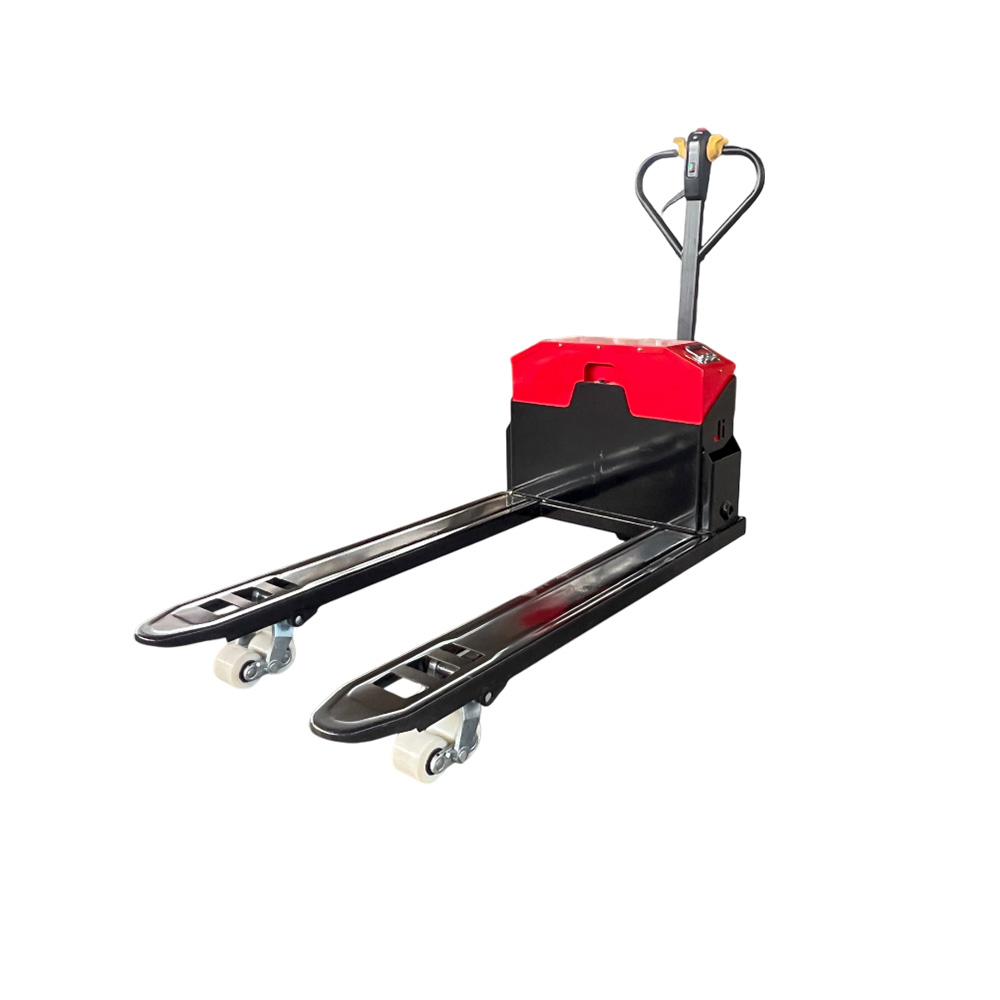
Pre-Use Safety Inspection for Manual Pallet Movers
Wheel Integrity, Fork Alignment, and Hydraulic Function Check
Anyone who works with manual pallet movers should take a few minutes each day to check three key areas on the equipment. Start by looking at those wheels really carefully. Check for any cracks, dirt stuck between them, or signs of uneven wear. Give each wheel a good spin to see if it turns smoothly without wobbling back and forth. Then look at how the forks line up. When the forks are all the way down, they need to be flat and even across from each other. If one side is higher than the other, stuff might slide off during transport or worse yet, cause the whole thing to tip over. For the hydraulics part, pump the handle several times and watch what happens. The lifting should feel steady throughout. Let go of the release valve and make sure the descent isn't jerky or sudden. Pay attention to strange noises like hissing sounds that usually mean there's air somewhere it shouldn't be. Fluid leaks are another big problem area, responsible for almost half of all hydraulic problems we see in warehouses. Doing these quick checks every morning can save a lot of headaches later on when small issues turn into major safety risks during busy shifts.
Load Capacity Verification and Surface Condition Assessment
Always check the maximum weight limit shown on the manufacturer's data plate before operating. Going beyond what's listed puts stress on all those structural parts and can make things tip over way more easily sometimes even as much as 70% more likely. When moving equipment around, take a good look at where it needs to go too. Watch out for rough spots in the floor or any cracks bigger than a quarter inch wide. Slippery stuff like oil spills or standing water is dangerous territory. Don't forget about objects blocking the way that might get in the way or trip someone up. The angle of the floor matters too steep slopes over about 5% grade really boost chances of things rolling away uncontrolled. Make sure there's enough space between shelves and through doorways as well. Warehouse safety reports show these basic checks actually stop nearly 60% of accidents involving loads from happening in the first place.
Optimal Load Handling with Manual Pallet Movers
Center-of-Gravity Alignment and Fork Entry Depth Guidelines
Getting things stable starts with where we put the weight. When loading up, make sure the center of gravity sits right above the wheel axle of the pallet mover since that's basically where everything balances out naturally. Forks need to go all the way into those designated spots on the pallet. If they're only half in there, bad stuff happens when moving around because it throws off the whole balance act. Also watch out for anything sticking past the end of the forks. And absolutely don't try to move more than what the machine is rated for. Some tricky loads like boxes stacked too high or oddly shaped items? Those require extra help. Tie them down with straps or add another layer of support somewhere else to keep everything from sliding around while transporting.
Risks of Uneven Loads: Insights from OSHA Ergonomic Incident Data (2023)
When loads aren't spread out properly across pallet jacks, it becomes one of the main causes for worker injuries and equipment problems on warehouse floors. According to OSHA's latest look at ergonomics incidents from 2023, almost half (that's 40%) of all injuries related to manual pallet movers come down to those pesky off-center loads. What happens? The equipment starts moving unpredictably, operators have to fight against the direction change, and their backs take a beating from uneven pressure on the spine. We've seen this happen time and again in our own facilities. These sudden shifts don't just hurt workers either they create real danger zones around storage racks and anywhere people are walking. Putting weights evenly on both forks makes a big difference though. When we make sure everything sits right in the middle and both forks are fully engaged, injury rates drop by about a third according to OSHA's comparison studies last year.
Ergonomic Pushing and Pulling Techniques for Manual Pallet Movers
Why Pulling Reduces Musculoskeletal Strain: NIOSH Force Analysis
When it comes to moving those heavy pallets around warehouses, pulling generally beats pushing from a biomechanics standpoint. According to NIOSH studies, when workers pull instead of push, they engage bigger muscles in their legs and back area. This actually cuts down on spinal compression by about 23%, plus helps maintain better posture overall. Pushing tends to make people bend forward and twist their spines awkwardly when making turns, while pulling allows them to use their body weight naturally for momentum without stressing the lower back so much. And let's face it, lower back problems account for roughly 62% of all injuries seen in warehouse settings. For anyone dealing with pallets day in and day out, keeping those elbows slightly bent and tucked near the body makes a big difference. It directs the force through stronger muscle groups rather than putting unnecessary strain on shoulders, which can lead to dislocations if someone isn't careful during repetitive lifting tasks throughout the day.
Safe Incline Operation for Manual Pallet Movers
Maximum Grade Limits (5%) and Load Orientation Best Practices
Most manual pallet movers work safely on slopes no steeper than 5%. Go beyond that angle and operators face serious risks of tipping over or losing control completely. When going up or down ramps, always position the heaviest part of whatever's being moved toward the top side. This keeps things balanced and stops them from rolling back down, something field tests show happens about 30% less often when done right. Before heading onto any ramp, make sure it's clean of trash and stuff, slow down at least half compared to moving on flat ground, and keep both hands solidly on the handlebars all the time. Never try to move sideways across a slope either. That kind of diagonal approach puts different pressure on each wheel and makes the whole thing wobble dangerously.
Downhill Transport Risks: Explaining the 78% Ramp Incident Trend (MHI Safety Benchmark, 2024)
According to the Material Handling Institute's 2024 Safety Benchmark report, most ramp incidents happen during downhill transport. These kinds of accidents make up about 78% of cases where workers are using manual pallet movers. When gravity takes over too much because nobody has been properly trained or doesn't know how to push back against it, things can get out of hand pretty quickly. There are several ways to prevent these problems though. First off, wrapping loads securely with stretch film before going down slopes helps keep everything stable. Checking that the friction brakes actually work before starting is another must do. And many experienced workers will tell you that leaning slightly backwards while pulling makes all the difference in resisting that forward rush. Companies that implement training focused on keeping descent speeds below 2 miles per hour have seen real improvements. Operators react faster to obstacles and avoid collisions better, yet still manage to maintain their usual workflow pace without slowing things down too much.
FAQ
Why is it important to check the manual pallet mover's wheels before use?
Checking the wheels for cracks, dirt, or uneven wear ensures smooth operation and prevents potential safety hazards during equipment handling.
What can happen if the load capacity is exceeded on a pallet mover?
Exceeding the load capacity can stress structural parts, significantly increasing the risk of tipping over, potentially by up to 70% more likely.
Why does pulling reduce musculoskeletal strain more than pushing?
Pulling engages larger muscle groups, reduces spinal compression by about 23%, and maintains better posture compared to pushing.
What are the maximum grade limits for safely operating manual pallet movers on slopes?
Manual pallet movers should not be operated on slopes steeper than 5% to avoid risks of tipping or losing control.